




Psychology Integration into Specialty Medical Services

Integrated psychology services are a key part of pediatric specialty care at Akron Children's. Our pediatric psychologists work side-by-side with physicians, nurses, therapists, dietitians, social workers, and other specialists to provide comprehensive, team-based care for children, adolescents, and families. As embedded members of multidisciplinary clinics and programs, psychologists contribute directly to assessment, treatment planning, symptom management, and adherence to medical recommendations, helping ensure that behavioral, emotional, and social factors affecting health are addressed alongside medical needs.
Our psychologists provide specialized expertise across a wide range of medical specialties. By partnering closely with medical teams and families, we deliver evidence-based interventions that improve health outcomes, support treatment success, and enhance quality of life. This integrated approach recognizes that physical and emotional health are deeply connected and that the best care happens when providers work together toward shared goals.
Learn more...About Psychology Integration into Specialty Medical Services
Whole-Person Care for Children, Teens and Families
When a child is diagnosed with a medical condition, the effects often extend beyond physical symptoms. Medical conditions can impact emotional well-being, daily routines, school performance, family relationships, sleep, eating habits, treatment adherence and quality of life. At Akron Children's, our Integrated Psychology team works alongside medical specialists to ensure that these factors are recognized and addressed as part of comprehensive healthcare.
Integrated psychology is built on the understanding that physical and emotional health are closely connected. Children often experience stress, anxiety, frustration, pain, sleep difficulties, or challenges adjusting to a diagnosis or treatment plan. By incorporating psychology directly into specialty medical care, we can help children and families develop the skills and support needed to manage both the medical and emotional aspects of their condition.
Unlike traditional outpatient therapy, integrated psychology services are embedded within medical clinics and programs. This allows psychologists to collaborate directly with physicians, nurses, therapists, dietitians, social workers and other specialists to provide coordinated, evidence-based care.
How Integrated Psychologists Help
Our pediatric psychologists specialize in understanding the connection between health, behavior and emotional well-being. Depending on your child's needs, psychologists may help with:
- Adjusting to a new medical diagnosis
- Managing chronic illness or complex medical conditions
- Coping with medical procedures or hospitalizations
- Improving adherence to treatment recommendations
- Managing stress, anxiety, depression or health-related fears
- Pain management and symptom coping strategies
- Sleep concerns
- Feeding and eating difficulties
- Sports performance
- School, social and family challenges
- Building resilience and healthy coping skills
- Supporting transitions back to normal activities after illness or injury
Our goal is not only to help children feel better emotionally, but also to improve their ability to participate fully in their medical care and daily lives.
The Benefits of Integrated Care
Because psychologists are embedded within specialty programs, families benefit from a highly coordinated approach to treatment. Rather than receiving care from separate providers working independently, your child's healthcare team works together toward shared goals.
Integrated care allows for:
- Faster identification of emotional or behavioral concerns affecting health
- Improved communication among members of the medical team
- More personalized treatment planning
- Greater support for children and families navigating complex medical conditions
- Better adherence to medical recommendations
- Improved health outcomes and quality of life
Many families find comfort in knowing their child's providers are collaborating closely and sharing information to support the whole child.
Specialty Clinics and Programs We Support
Our psychologists are integrated into a wide variety of specialty medical programs across Akron Children's. Each program is designed to address the unique needs of children and families while providing coordinated care between behavioral health and medical specialists.
To learn more about how psychologists collaborate with each specialty team, visit our Partners in Care section for detailed information about each clinic, program and service.
Specialty Outpatient Medical Clinics
- Behavioral Sleep Medicine
- Center for Gender-Affirming Medicine
- Center for Diabetes & Endocrinology
- Eating Disorder Program
- Feeding Disorders Program
- Functional Neurological Disorders (FND) Clinic
- Gastroenterology and Motility Programs
- Headache Clinic
- Maternal-Fetal Medicine
- Medical Coping Clinic
- POTS and Dysautonomia Clinic
- Rehabilitative Services
- Showers Family Center for Childhood Cancer and Blood Disorders
- Sports Health
- Tom and Jill Zidian Family Autism Center
Hospital-Based Services
- Adolescent Medicine
- Burn Center
- Endocrinology
- Gastroenterology Services
- Heart Center
- Hematology/Oncology Units
- Inpatient Consultation/Liaison Services
- Neonatal Intensive Care Unit (NICU)
- Rehabilitation Program
Within these programs, psychologists provide specialized interventions tailored to the unique needs of each patient population while remaining closely connected to the child's medical team.
Evidence-Based Care Designed for Children's Needs
Our psychologists use evidence-based approaches that have been proven effective for children and adolescents facing medical and behavioral health challenges. Depending on the clinic and concern, treatment may include:
- Cognitive Behavioral Therapy (CBT) for pain management, sleep concerns, medical coping and adjustment to illness
- Acceptance and Commitment Therapy (ACT) to increase psychological flexibility and improve functioning with chronic medical conditions
- Medical Hypnosis to help manage pain, anxiety, procedural distress, gastrointestinal symptoms, and other health-related concerns
- Behavioral interventions to improve adherence to medical recommendations and support healthy routines
- Parent coaching and family-based interventions to strengthen coping skills and support behavior change
- Relaxation training, mindfulness and stress-management techniques to improve symptom management and overall well-being
- Behavioral Sleep Medicine interventions to address insomnia, difficulties falling or staying asleep, bedtime resistance and PAP adherence
- Feeding interventions, including the Sequential Oral Sensory (SOS) Approach to Feeding and Cognitive Behavioral Therapy for Avoidant/Restrictive Food Intake Disorder (CBT-AR) for children with feeding challenges and restrictive eating patterns
- Family-Based Treatment (FBT) and other evidence-based interventions for adolescents and young adults diagnosed with eating disorders
- Parent-Child Interaction Therapy (PCIT) to strengthen parent-child relationships and reduce disruptive or challenging behaviors
- PEERS® (Program for the Education and Enrichment of Relational Skills) to support the development of friendship-building and social communication skills for children and adolescents with autism and other social challenges
- RUBI (Research Units in Behavioral Intervention) Parent Training to help caregivers address behavioral challenges and build adaptive skills in children with autism spectrum disorder
- Individual, family and group-based interventions tailored to the needs of children with complex medical, developmental and behavioral health concerns
Services are individualized to meet each child's developmental level, medical condition and family goals.
Supporting Families Every Step of the Way
A child's medical condition affects the entire family. Parents and caregivers often face their own worries, challenges and adjustments while supporting a child's treatment. Our psychologists work with families to provide education, practical coping strategies and emotional support throughout the healthcare journey.
Whether a child is adjusting to a new diagnosis, managing a chronic condition, recovering from an injury, navigating treatment for a serious illness or learning to live with ongoing symptoms, our team is here to help children and families feel confident, connected and supported.
Working Together for Better Health
At Akron Children's, integrated psychology is more than an added service. It is an essential part of providing comprehensive pediatric care. By addressing the emotional, behavioral and social aspects of health alongside medical treatment, we help children and families build the skills they need to thrive both physically and emotionally.
Because when medical and psychological care work together, children receive the best possible support for lifelong health and well-being

Accepting new patients

Allison Burke, PhD, ABPP
Director, Autism Diagnostic Clinic; Child and Adolescent Psychologist

Accepting new patients









Accepting new patients
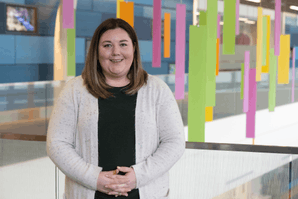
Katherine Lamparyk, PsyD, ABPP
Director of Psychology; Pediatric Psychologist



Accepting new patients



Accepting new patients
Kevin Triemstra, PhD
Director, Pediatric Psychology Fellowship Program; Pediatric Psychologist


Accepting new patients
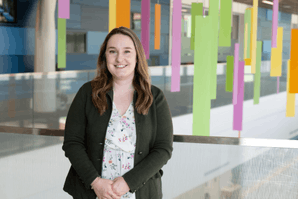
Chelsea Weyand, PsyD, ABPP
Vice Chair, Population Behavioral Health; Pediatric Psychologist
We're integrated with many specialty services to help children with specific medical conditions. See how we work together with your care team.
Behavioral Sleep Medicine
Problems sleeping can have a negative impact on a child’s health, mood and quality of life. A lack of sleep can also affect a child’s ability to pay attention, remember, learn, and control their emotions. Pediatric sleep psychologists are specialists trained to diagnose and treat a variety of sleep problems that are behaviorally or psychologically based. Behavioral sleep medicine could help if your child has problems falling asleep, staying asleep or waking up too early; difficulty sleeping in their own bed; nighttime fears or anxiety; or challenges adjusting to or using positive airway pressure (PAP) therapy for sleep apnea.
Center for Gender Affirming Medicine
Adolescent Medicine offers the Center for Gender-Affirming Medicine for transgender and LGBTQ+ patients. Our team includes gender-affirming physicians, a medical assistant, social worker, nurse coordinator, psychologist and endocrinologist. Psychologists on the team are available to support medical care and general mental health concerns within an affirming framework.
Center for Diabetes and Endocrinology
When it comes to diagnosing, treating and managing diabetes and endocrine disorders, we have specialized knowledge and experience with kids and teens. If your child has problems with growth, puberty, diabetes or other disorders related to the hormones or the endocrine glands that produce them, we are here to help. We also offer multidisciplinary care of children with thyroid nodules and cancer, and specialized care of children with cystic fibrosis and Turner syndrome. Psychologists are involved in multidisciplinary clinics for children and families newly diagnosed with diabetes and support patients when there are emotional or other challenges that are impacting their medical treatments.
Eating Disorder Program
Akron Children's team of adolescent medicine physicians, registered dietitians, psychologists and clinical nurse specialists helps children, teens and young adults manage disordered eating behaviors and establish new patterns of thinking about and approaching food. Together, we restore physical and emotional health through balanced nutrition, addressing body image issues and giving patients the coping skills they need to overcome eating disorders.
Feeding Disorders Program
As many as 1 in 4 children experience some type of feeding difficulty during infancy or early childhood. The Feeding Disorder Program at Akron Children's evaluates and treats young children with a variety of feeding problems to ensure they get the proper nutrition and eat in an age-appropriate way. Psychologists work alongside speech pathologists, occupational therapists, and dieticians to support all aspects of a child’s feeding difficulties. Specifically, psychologists may recommend and provide evidence-based behavioral treatments such as the Sensory Oral Sequential (SOS) approach and CBT-ARFID treatment.
Gastroenterology
We combine our expertise in pediatric gastrointestinal diseases with advanced diagnostics and therapies to provide the highest quality medical care to infants, children and teens with digestive problems. We focus on concerns unique to pediatric patients, including growth, physical and emotional development, and age-related social issues. Understanding that brain-gut health is very connected, psychologists are highly integrated into the team. They can see patients diagnosed a chronic GI diagnosis such as Inflammatory Bowel Disease (IBD), Eosinophilic Esophagitis (EoE), or Celiac Disease to help adjust to a new diagnosis and how to incorporate recommended medical or dietary treatment plans into your child’s life. Psychologists are also a part of the specialized Motility Program where they participate in multidisciplinary clinics helping children with abdominal pain, nausea, vomiting or rumination, and constipation.
Headache Clinic
Our Headache Clinic brings together pediatric neurologists, psychologists and nurse practitioners to evaluate the causes and determine the correct diagnosis to treat your child. Behavioral treatments focus on evidence-based care that teaches children and adolescents the skills to identify and change unhelpful thoughts and emotions that can contribute to headaches, improve sleep hygiene, and teach relaxation training to improve headaches.
Inpatient Consultation/Liaison Services
The consultation/liaison (C/L) service offers psychological services to children and families with a variety of complex medical and mental health needs admitted to our Akron Children's Hospital inpatient units. Children are commonly seen for help with adjustment or acute stress following traumatic injury/burn, support in following medical recommendations, pain management, adjustment to a new diagnosis or the hospitalization process itself, and general medical coping. The psychologist collaborates with your child’s medical providers and other support disciplines to help your child’s health from all aspects. Specialized services are offered to the Burn Center, Rehabilitation Program, Hematology/Oncology units, Gastroenterology, Adolescent Medicine, NICU, and Heart Center patients.
Maternal-Fetal Medicine
With advanced training and experience in high-risk obstetrics and prenatal diagnosis, we manage complications in pregnancy, including multiple pregnancies, placental abnormalities, fetal anomalies, genetic disorders, nutritional issues and infectious diseases. Our maternal-fetal medicine and high-risk pregnancy specialists provide you and your family with the support you need to deliver a healthy baby. If you’re struggling with worry, sadness or other negative feelings during or after pregnancy, we have on-site psychologists to help you cope with difficult thoughts and feelings. Our team of psychologists specialize in treating moms with high-risk pregnancies receiving maternal fetal medicine care, patients with serious medical or physical problems, teenage pregnancy and motherhood, and postpartum depression or anxiety.
Medical Coping Clinic
The Medical Coping Clinic brings health-focused psychological services to more regions served by Akron Children's specialties. Psychologists see children and adolescents with a variety of different medical diagnosis closer to home, providing specialized services that address the link between physical and emotional health. Psychologists can help with coping and adjusting to a new medical diagnoses, challenges with following medical recommendations, and provide additional coping and symptom management strategies to managing many physical diagnoses.
POTS and Dysautonomia Clinic
Postural Orthostatic Tachycardia Syndrome (POTS) affects a part of the body called the “autonomic nervous system.” It controls things you don’t have to think about – like your heartbeat and blood pressure. Our multi-disciplinary team includes experts from areas including neurology, cardiology, and psychology. The team will works together with you to provide diagnosis, treatment and long-term care for children and adolescents diagnosed with POTS.
Rehabilitative Services
The therapists and support staff of Akron Children’s Rehabilitative Services are the regional specialists for traumatic injuries in children and teens, as well as all types of pediatric disabilities, such as neurological and neuromuscular disorders, developmental disabilities, feeding and swallowing disorders, autism, communication disorders and hearing impairments. Our therapists treat patients of all ages from premature infants to adults with burn injuries and diseases of childhood.
Showers Family Center for Childhood Cancer and Blood Disorders
Our specially trained and certified hematology-oncology staff treats a variety of pediatric cancers and offers a broad range of expertise in cancer and bleeding disorders. Psychologist collaborate closely with the team of board-certified pediatric hematologists-oncologists and other medical providers, child life specialists, social workers, and educators. Psychologists will meet with all families who are newly-diagnosed to better understand the child and families emotional and social needs and then develop a plan to support these needs throughout the treatment.
Sports Health
Akron Children’s cares for the whole student-athlete, from injury diagnosis and rehabilitation to sports psychology to nutrition and performance improvement. Akron Children’s is the official sports health services provider for Akron Zips Athletics – and we’ll provide elite care for your athlete, too. Our sports psychologists work with young athletes on sports performance, positive mental imagery, post-concussion care, sleep, depression and anxiety, mental blocks, and psychological readiness to return to play. A physician referral isn’t required for sports psychology services.
Tom and Jill Zidian Family Autism Center
The Tom and Jill Zidian Family Autism Center at Akron Children’s provides compassionate, coordinated and family-centered services for children, teens and young adults with autism spectrum disorder. Our multidisciplinary team works alongside families to support the growth, independence and well-being of their children so they can reach their full potential. We provide comprehensive evaluations to ensure accurate diagnoses and personalized care plans. Our programs support children of all ages and their families through a wide range of therapeutic and supportive services. Our therapeutic programs include a variety of evidence-based treatments for children and adolescents including Connections, Early Start Denver Model, PEERS©, PCIT, and RUBI. We also provide individual and family interventions to address emotional, behavioral and social challenges children with autism may face.
Seeing a psychologist for a medical condition may feel confusing and kids and families may have many different feelings about their visit. Our team works hard to help ease any worries or anxiety and create a friendly, welcoming environment. Our goal is to get to know all aspects of your child—including their physical, emotional, and social needs. We will start by having a conversation with both your child and you so that, together, we can create a treatment plan that best meets your child's and family's needs.
Making an Appointment
Our psychologists are integrated into the different medical specialty programs. Most of the time, referrals will come directly from the medical provider that your child is receiving their medical care from. If you feel like a referral to an integrated psychologist would be helpful, we encourage you to talk to your medical provider about the best way to get connected with us.
The First Visit
You and your child will meet with a pediatric psychologist or mental health professional who specialize in working with children and adolescents that have medical concerns impacting their life. Our goal at the first visit is to learn more about your child and find out how we can help them—and your entire family—feel and function at their best.
We will talk about:
- Your child's medical history, past treatments, and current symptoms
- Your child's personal and social background, such as members of the household, interests, school performance, extracurricular activities
- Your family's medical and developmental history
- Your goals for meeting with an integrated psychology provider
This information will help us to develop a treatment plan. We will discuss this plan together.
A treatment plan for an integrated psychology visit may look different than traditional therapy. Sometimes brief, targeted therapy is recommended. Sometimes the plan may look more like occasional follow-up consultation visits or following up as part of a multidisciplinary clinic. Sometimes the recommendation may be to also engage in general therapy services for other, ongoing mental health needs.
Your input, ideas, suggestions and questions are a welcome and important part of creating a plan that works for your child and your family.
Coordinated Care
The integrated provider works very closely with the medical team to ensure that your child is receiving coordinated care that address both the medical, behavioral, and emotional aspect to their concern. Sometimes the visits may include seeing the psychologist and the medical providers at the same time, in the room together, or some times the visits may include a “warm handoff” where the providers talk and share important information as you transition from one provider to the other. If you see the integrated psychology provider on a separate day from your medical provider, they will still communicate by sharing their medical notes, secure electronic communications, or talking in person at regularly scheduled multidisciplinary team meetings.