





Measles
Akron Children’s is closely monitoring measles cases in Ohio. To help minimize the risk and spread of the disease, we have implemented protocols to treat confirmed and suspected measles cases.
If you’re concerned about measles, have questions about the vaccine or think your child needs to be seen, call their doctor. If you’re bringing a child with measles or suspected measles to one of our emergency rooms, urgent cares or doctor’s offices, please call ahead and let staff know. They will tell you what to do once you arrive.
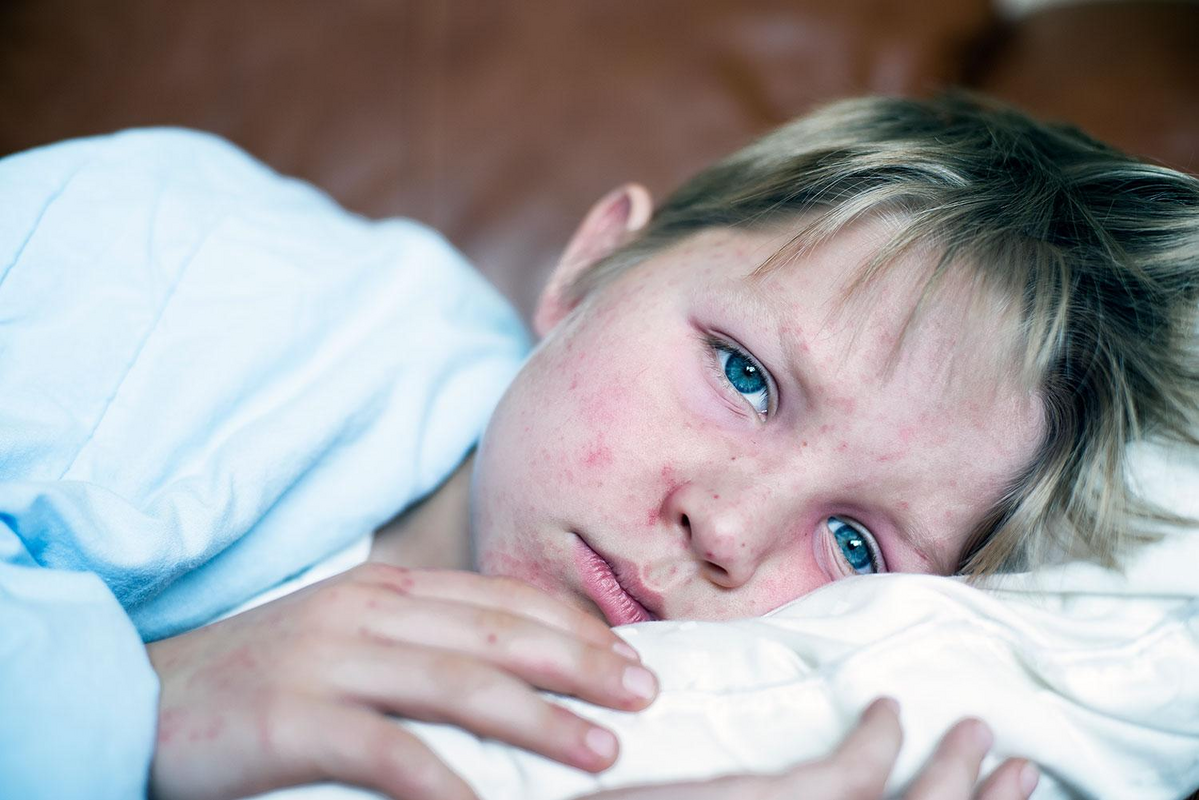
What is measles?
Measles is a very contagious virus. It is spread by being near someone with measles or touching a surface with the virus on it and then touching your hands, eyes or mouth.
What are the symptoms of measles?
Symptoms include fever, rash that has started on the forehead and spread to the feet, cough and congestion. The only way to protect against measles is with two doses of the MMR shot.
More measles resources
Articles, videos and frequently asked questions about measles
- Measles is back: What parents need to know to protect their kids
- Preventing measles (Video)
- What parents need to know about measles (Article)
- What parents should know about vitamin A and measles (Article)
- What parents need to know about the measles (Video)
- Ohio measles outbreak cases double in third 2026 outbreak (Article)
- 2 measles cases confirmed in Trumbull County, Ohio; 1 visited Liberty, Ohio Walmart and Boardman, Ohio ER (Article)
- Wayne, Trumbull counties each report 2 confirmed measles cases tied to Ohio outbreak | wkyc.com (Article)
- 2 Trumbull County residents have measles - Tribune Chronicle (Article)
- Measles FAQ for parents
- What is Akron Children's doing to minimize the risk of spreading measles? (FAQ)
- Visit our Healthy Info, Healthy Kids page for trusted health information
Are there serious side effects from the MMR (measles-mumps-rubella) vaccine?
Side effects from the MMR vaccine are very low. Some children may develop a fever, and occasionally there is a report of a rash. These effects and the rates of them are very small in comparison to the effects of the real measles infection.
If my child is healthy, do they still need the MMR (measles-mumps-rubella) vaccine?
Yes. Measles spreads easily, even among healthy kids. In the last several years, we’ve seen an exponential increase in measles infections among unvaccinated children. If there continues to be an increase in individuals, particularly young children, skipping vaccination, there will be an increase in measles illness â along with all of the complications associated with it.
Is the MMR (measles-mumps-rubella) “too many vaccines in one”?
No, the MMR (measles-mumps-rubella) vaccine has been well tested and studied. A child’s immune system easily handles the combined vaccine. Babies respond to far more immune challenges every day than what’s in the MMR shot.
If my child has had the MMR vaccine, do I still need to worry during an outbreak?
Not really. Vaccinated children are well protected, especially after two doses. The biggest concern during outbreaks is for unvaccinated infants and medically vulnerable children.
If I’m traveling to a place with a measles outbreak, do I need to worry?
If your child is vaccinated, you can feel comfortable that they are protected. If you or your child are unvaccinated, avoid traveling somewhere with a measles outbreak. Measles is highly contagious.
Is natural immunity safer than the measles vaccine?
No, measles is far more consequential than the MMR vaccine. When kids get measles, they suffer through real, often dangerous symptoms. Vaccines provide immunity without those risks.
Is measles really that dangerous? People used to get it all the time.
Yes. Before vaccines, hundreds of U.S. children died each year from measles, and thousands were hospitalized. It was so serious that scientists and physicians were certain that we should prevent it, which is why the vaccine exists.
Does the MMR vaccine cause autism?
No, the MMR vaccine does not cause autism. Many large, well-designed studies involving millions of children have shown there is no link between the MMR vaccine and autism.
How can I protect a baby under 12 months old from measles?
Talk to your child’s pediatrician. If you’re in an area with a known outbreak, additional precautions may be advised. If someone is known to have measles, children who haven’t received the MMR vaccine should not be exposed to them. Otherwise, the best way to protect kids younger than a year is through the public’s immunity.
What is measles and how do you get it?
Measles is a highly contagious virus. It causes a widespread rash, fever and flu-like symptoms and can lead to dangerous complications and death. If your child has not received two doses of the measles, mumps and rubella (MMR) vaccine, they can get infected with measles by:
- Being around someone with measles
- Touching a surface that has the virus on it and then touching their mouth, nose or eyes
What are the symptoms of measles?
Symptoms of measles appear 7 to 14 days after infection. Measles symptoms include:
- High fever
- Cough
- Congestion
- A rash that begins on the forehead and spreads to the feet
- Red, watery eyes
- Headache
The first symptoms of measles that appear 7 to 14 days after infection are high fever, congestion and red, watery eyes. The rash appears 3 to 5 days after measles symptoms begin. Read more about what parents should know about measles.
What does a measles rash look like?
A measles rash is a red, blotchy rash that begins on the forehead and spreads down the body to the feet. The rash may be flat or a little raised. Spots may also join together. On darker pigmented skin, the rash may appear purple or may be harder to see. The rash is not itchy.
What complications can happen from measles?
A measles infection can cause complications like:
- Pneumonia
- Blindness
- Ear infections
- Swelling of the brain
- Bronchitis
- Death
Can measles be prevented?
Measles can be prevented with two doses of the MMR vaccine. If you have questions about the vaccine or aren’t sure if your child has received two doses, talk to their doctor.
How is measles treated?
If your child has a diagnosed case of measles without complications, you can treat at home with:
- Pain relievers
- Fluids
- Rest
Can I skip the vaccine and just use Vitamin A for measles?
Vitamin A is not a cure for measles. It may reduce the most severe symptoms in children suffering from measles â but mainly in populations with nutritional deficiencies. Relying on vitamin A may risk both serious illness and vitamin A overdose. The vaccine, in contrast, offers excellent protection and minimal risks.
What should I do if I think my child has the measles?
If you think your child has the measles or they have not received both doses of the MMR vaccine and have been around someone with the virus, call their doctor.
What is Akron Children’s doing to minimize the spread of measles?
Akron Children’s infection control and prevention team, as well as its clinical leaders, are closely monitoring measles cases and outbreaks in Ohio. We have implemented a protocol for suspected measles cases in patient care settings, and are working to educate patients and families on the symptoms of measles as well as the importance of vaccination.
When are my vaccinated kids protected from measles? After what dose?
They are about 93% protected after one dose. The second dose boosts that protection to 97%-99%. Full protection develops a few weeks after each dose.
When should I get emergency care with the measles?
Go to the emergency room if you child has these symptoms from measles:
- Child is having a hard time breathing or their mouth looks blue
- Your child is peeing less than usual, when they cry there are no tears or if their mouth is very dry
- Your child is confused, is hard to wake up or has changes in behavior Call ahead before you go to the emergency room and let the person on the phone know your child needs to be seen for suspected or confirmed measles. Staff will tell you what to do once you arrive.
Why do vaccinated people sometimes still get measles?
It is very rare that a vaccinated individual develops measles. The measles vaccine offers 97%-99% immunity and continues to be incredibly effective. Community-wide vaccination further increases protection.
More information
Navigate conflicting health information with confidence. Healthy Info, Healthy Kids is our initiative dedicated to providing clear, evidence-based content, expert perspectives and practical guidance.
Akron Children’s infection control and prevention team, as well as its clinical leaders, are closely monitoring measles cases and outbreaks in Ohio. We have implemented a protocol for suspected measles cases in patient care settings, and are working to educate patients and families on the symptoms of measles as well as the importance of vaccination.