




Will my teen experience long-term side effects if prescribed an SSRI?
The Claim
SSRIs are dangerous, addictive and can cause long-term harm in teenagers.
The Facts
SSRIs can cause side effects and require close monitoring, but they are an important and well-studied tool for treating depression and anxiety in children and teens.
The Truth
Decades of research have not found evidence that SSRIs cause brain damage, permanently change personalities or impair normal brain development.
What we're hearing:
SSRIs are dangerous and have long-term side effects for teens.
What we're hearing:
SSRIs are dangerous and have long-term side effects for teens.
What's true:
SSRIs can have side effects, and they do carry an FDA black box warning about an increased risk of suicidal thoughts in some children and adolescents when starting treatment or making significant dose changes. Because suicidal thoughts are such a serious concern for families, it’s natural that this warning raises questions.
What's missing?
When parents are deciding whether an SSRI is right for their child, the comparison isn’t between medication and perfect health. It’s between the potential side effects of treatment and the real consequences of untreated depression, anxiety or other mental health conditions. Left untreated, these conditions can interfere with a teen’s health, safety, relationships, learning and quality of life. That’s why families and doctors weigh both the risks and the potential benefits of treatment.
SSRIs have been used and studied for decades, and there is currently no evidence showing that they cause brain damage, neurological dysfunction or personality changes in children and adolescents. In fact, many families report that effective treatment helps their child feel more like themselves again.
SSRIs are not considered addictive in the way opioids or other substances of abuse are. They do not create a “high” or drive people to seek larger and larger doses to achieve the same effect. However, they should not be stopped abruptly. Some people experience discontinuation symptoms if medication is stopped too quickly, which is why changes should be made with guidance from a healthcare provider.
Finally, medication is rarely intended to be the entire treatment plan. When appropriate, SSRIs are typically used alongside other supports, such as therapy, coping skills development and family involvement.
What's at stake:
Untreated depression and anxiety can affect relationships, family life, school performance, work, social development and overall functioning. In some cases, these conditions can become severe enough to increase the risk of self-harm or suicidal thoughts.
When families make decisions based on incomplete information, a child may miss out on a treatment that could significantly improve their quality of life. At the same time, parents deserve clear, accurate information about both the benefits and risks of treatment. Understanding the full picture helps families make informed decisions that fit their child’s specific needs.

Bottom line:
SSRIs have been used safely for decades and can be an effective treatment for depression and anxiety when recommended and monitored by a healthcare provider.

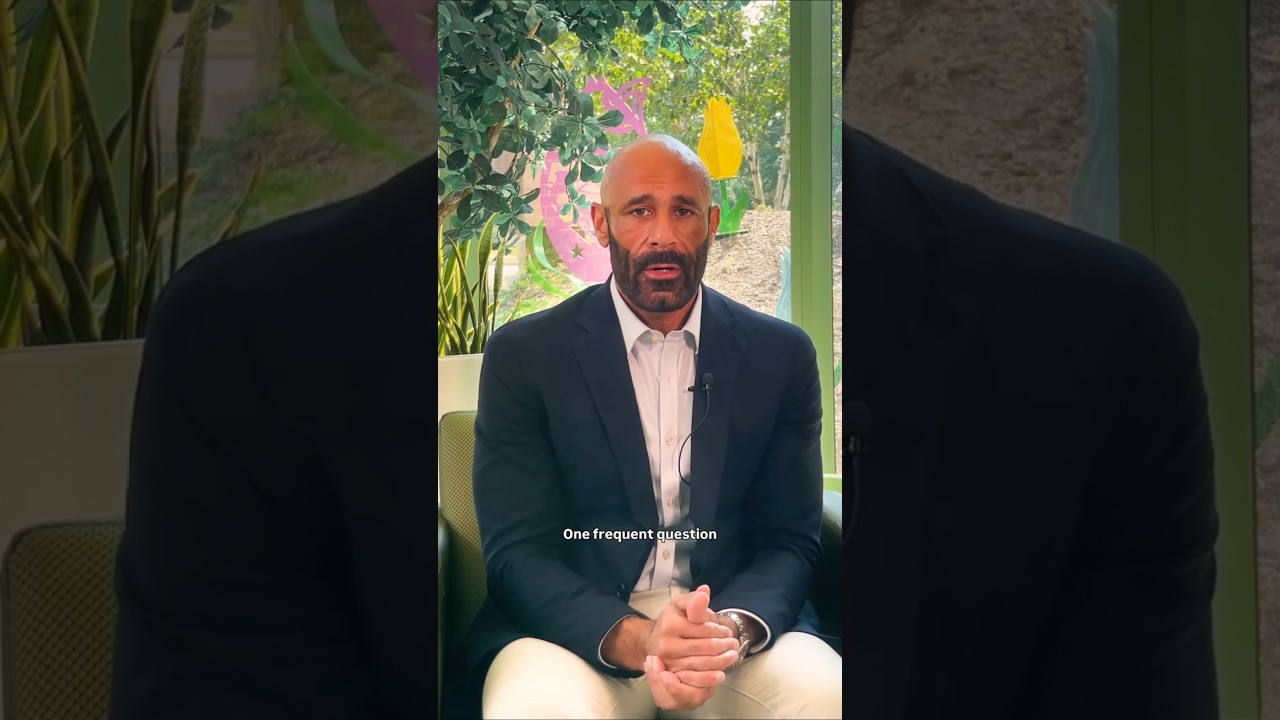
Jason Spivey, Sr., MD and father of four
Vice Chair, Behavioral Health; Child and Adolescent Psychiatrist
Dr. Jason Spivey is a board-certified child and adolescent psychiatrist, medical director of inpatient child and adolescent psychiatry at Akron Children’s, and vice chair of behavioral health. As both a psychiatrist and a parent of two teenagers, he understands the questions families have about teen depression, anxiety and psychiatric medications. Through years of experience treating children and teens with behavioral and mental health conditions, he helps families understand the risks, benefits and evidence behind treatment options so they can make decisions with confidence.
Full Bio