




Are there dangerous levels of heavy metals in my baby’s formula?
The Claim
Popular brands of U.S. formula contain dangerous heavy metals.
The Facts
Heavy metals are found throughout the environment. The amount of heavy metal is what matters to health – they only become dangerous above a certain le
The Truth
The levels of heavy metals in tested formulas were below European regulatory limits (the gold standard for heavy metals in infant formula).
What we're hearing:
A recent Consumer Reports investigation found dangerous heavy metals in popular brands of baby formula.
What we're hearing:
A recent Consumer Reports investigation found dangerous heavy metals in popular brands of baby formula.
What's true:
Yes, heavy metals were detected in some commonly used baby formulas. Heavy metals are naturally present in the environment, including in soil, water and food, so small amounts can make their way into a wide range of products (including baby formula).
What's missing?
“Detected” doesn’t necessarily mean “dangerous.” What matters is how much is present. A substance that is deadly at certain levels can have no effect at small enough levels. As the saying goes, “the dose makes the poison.”
The most recent testing showed that all tested formulas contained heavy metal levels lower than EU regulatory standards. The FDA does not currently have federally regulated maximum limits for heavy metals in infant formula, but the EU limits are used as the gold standard.
What's at stake:
When information lacks context, it can prompt parents to switch formulas unnecessarily, avoid formula when it’s needed, or turn to alternatives – like homemade formula – that create real risks for a baby’s nutrition and safety.

Bottom line:
If you’re using a formula that was featured in the report, and your baby is growing, healthy and thriving, there’s no need to worry.

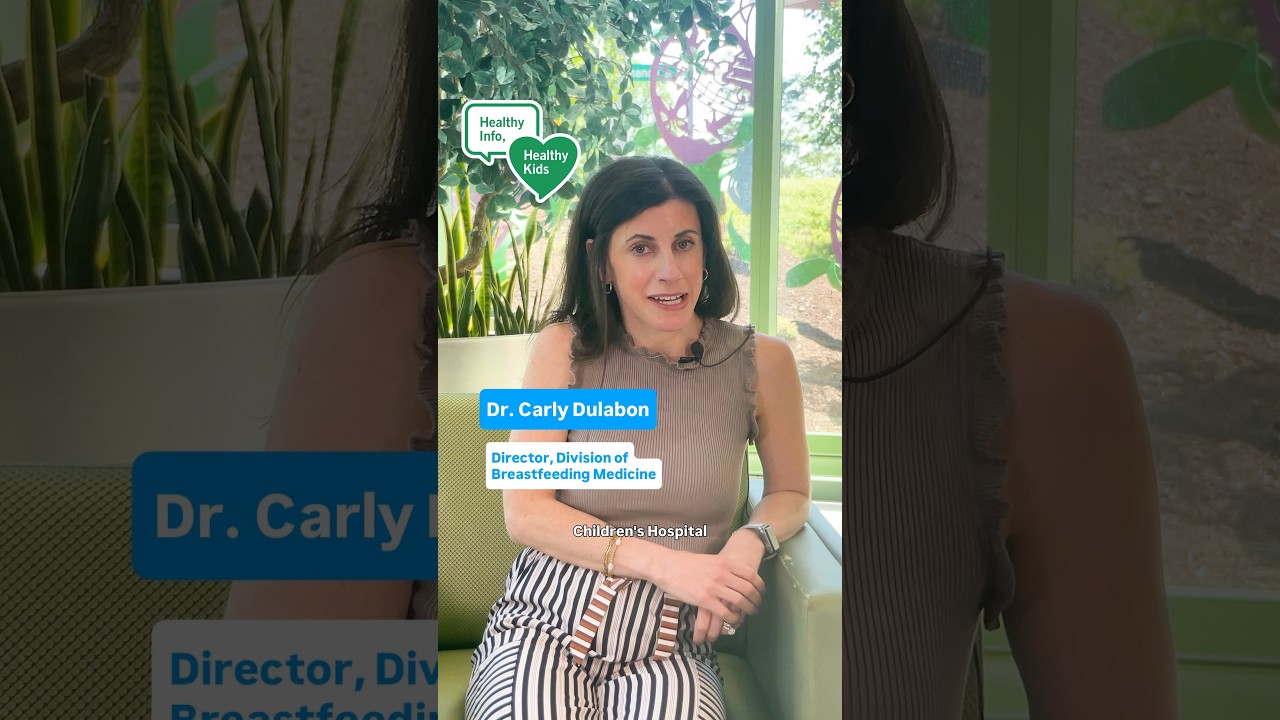
Carly Dulabon, MD, IBCLC, NABBLM-C, and mom of three
Division Director, Breastfeeding Medicine
Dr. Carly Dulabon is the director of Akron Children’s Division of Breastfeeding Medicine and one of fewer than 100 physicians in the United States board-certified in breastfeeding and lactation medicine. Through her clinical experience caring for newborns and infants, she helps families understand the latest evidence and recommendations related to infant feeding and formula use.
Full Bio