









Raw Milk FAQs
Does raw milk contain more nutrients than pasteurized milk?
Raw and pasteurized milk contain largely the same essential nutrients, including protein, calcium, potassium and many vitamins. Pasteurization does not significantly reduce the nutritional benefits that make milk an important source of nutrition for children.
Does pasteurization destroy vitamins or proteins my child needs?
No, pasteurized milk still contains the healthy nutrition that babies need. The nutrition information on the carton shows the contents of vitamin D, calcium and more.
Is raw milk actually more “natural” in a way that’s better for health?
Raw milk provides the same nutrition and has the same vitamins as pasteurized milk. So, it is not any healthier than pasteurized milk, but it is far more likely to be contaminated with dangerous bacteria.
Does raw milk strengthen the immune system?
There is no strong evidence that raw milk improves immune function or strengthens the immune system compared with pasteurized milk.
Can raw milk help prevent allergies, asthma or eczema?
Some European studies have found associations between consumption of farm-fresh milk and lower rates of allergies, asthma and other immune-related conditions. However, association is not the same as causation, and researchers continue to investigate whether other factors associated with farm life may contribute to the findings. Public health experts do not consider the evidence strong enough to recommend raw milk because of its known infection risks.
Are the probiotics in raw milk beneficial?
Raw milk may contain naturally occurring bacteria, but it can also contain harmful bacteria. There is no strong evidence that drinking raw milk provides probiotic benefits that outweigh the risks of foodborne illness. Supplementing with a probiotic is a much safer choice.
Can raw milk improve gut health?
Current research has not established that drinking raw milk provides meaningful gut-health benefits that outweigh the known risks of foodborne illness.
What are the contaminants that can cause illness with raw milk?
Salmonella, E. coli, listeria, campylobacter and more. In 2024, even bird flu was transmitted through raw milk.
What are the risks of drinking raw milk?
The pathogens can lead to severe illness, hospitalization and even death. Pregnant women risk miscarriage or transmitting infections to their babies. Children are at a high risk of dehydration and complications.
How likely is someone to get sick from raw milk?
Over the past 15 years, there have been thousands of cases that have resulted in hospitalizations â and, tragically, some deaths as well.
If the animals are healthy and the farm is clean, is raw milk safe?
Healthy animals and clean farms are important, and they can help reduce risk. However, even healthy animals can carry harmful bacteria without appearing sick, and contamination can occur during milking, storage or transportation. For that reason, no farm can guarantee that every batch of raw milk is free of disease-causing pathogens.
Are children more vulnerable than adults to illnesses from raw milk? Are babies and toddlers affected differently than older children?
Children under 5, due to their size and developing immune systems, are at the highest risk of severe consequences. But all children and even adults can face serious or even life-threatening illness.
Could raw milk cause serious illness in a healthy child?
Yes, all children â even healthy ones â can suffer serious illness from contaminated raw milk. Heating raw milk can kill harmful bacteria, but doing so consistently and safely at home can be difficult. Commercial pasteurization uses carefully controlled temperatures and processes designed to reliably reduce the risk of contamination.
What benefits of raw milk have actually been proven? If there are any, do they outweigh the risks?
To date, most claimed health benefits of raw milk have not been supported by high-quality evidence. Meanwhile, the risks of bacterial contamination are well established. For that reason, major medical and public health organizations continue to recommend pasteurized milk.
What does the American Academy of Pediatrics recommend regarding raw milk?
The American Academy of Pediatrics has called for a ban on the sale and distribution of raw milk products, citing the risk of serious infections and the lack of evidence supporting claimed health benefits
If outbreaks can happen with pasteurized milk too, why is raw milk singled out?
Foodborne outbreaks can occur with many foods, including pasteurized dairy products. However, illnesses linked to raw milk occur at much higher rates because pasteurization is specifically designed to kill bacteria that can be present in milk. While pasteurization cannot prevent every possible contamination event, it greatly reduces the risk of dangerous infections.
Why do some people say European countries support raw milk?
Some European countries allow the sale of raw milk under specific regulations, and several European studies have examined potential links between farm-milk consumption and lower rates of allergies and asthma. However, European public health authorities still recognize the risk of bacterial contamination in raw milk and continue to recommend caution, especially for children, pregnant women and people with weakened immune systems.
How can I tell which claims about raw milk are evidence-based?
A good question to ask is: “What’s the evidence?” Anyone can make a claim online, but trustworthy claims should be backed by high-quality research and supported by experts who study food safety and nutrition. When scientists evaluate raw milk, they look at both potential benefits and known risks. The evidence consistently shows that pasteurization makes milk much safer while preserving its nutritional value, which is why it remains the recommended choice for families.
Akron Children‘s Mother & Baby App
Support for every step of your pregnancy and parenting journey.
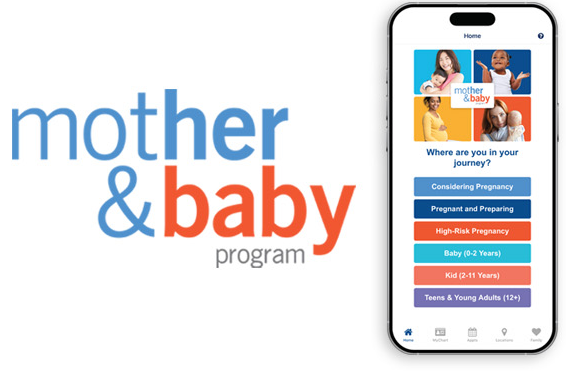


Akron Children‘s Mother & Baby App
Support for every step of your pregnancy and parenting journey.
Whether you're planning for a baby, expecting, or navigating your first few years of motherhood, our app provides resources for finding a primary care doctor or specialist, locations and directions, and making everyday health decisions as well as giving you quick, secure access to MyChart and other tools.
By using this site, you consent to our use of cookies. To learn more, read our privacy policy.