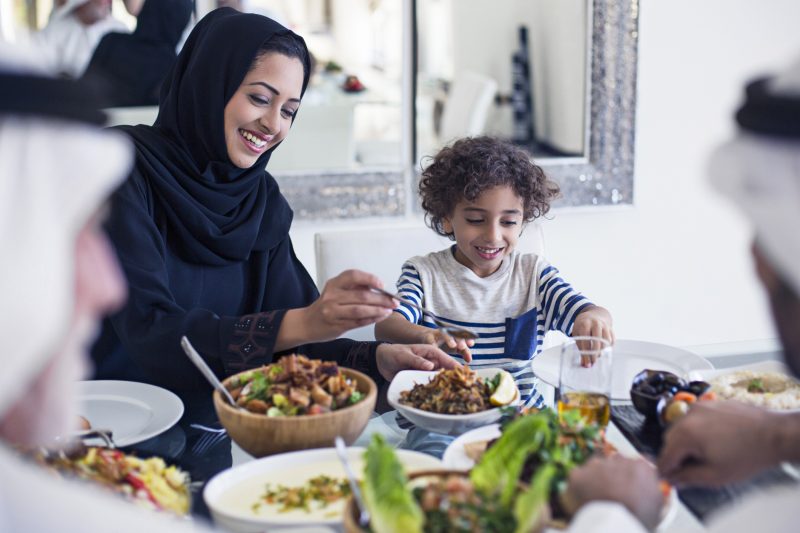
As we enter a season filled with food-centered gatherings and diverse cultural celebrations, Dr. Kevin Watson, pediatric gastroenterologist, offers advice on balancing tradition with nutrition.
For many people, food is more than just nourishment – it’s an expression of who they are. What they eat reflects their traditions, identity and connection to their culture. But for families who have a child living with inflammatory bowel disease (IBD), navigating food choices can be stressful, especially when beloved cultural dishes trigger symptoms.
Akron Children’s Pediatric Gastroenterologist Dr. Kevin Watson has devoted much of his work to understanding IBD in underrepresented populations. “I’m very interested in health equity, especially with families who may not have access to reliable information about IBD,” he said. “Culture plays a huge role in how families eat, and understanding that is essential to helping kids stay healthy.”
As we enter a season filled with food-centered gatherings and diverse cultural celebrations, Dr. Watson offers advice on balancing tradition with nutrition.
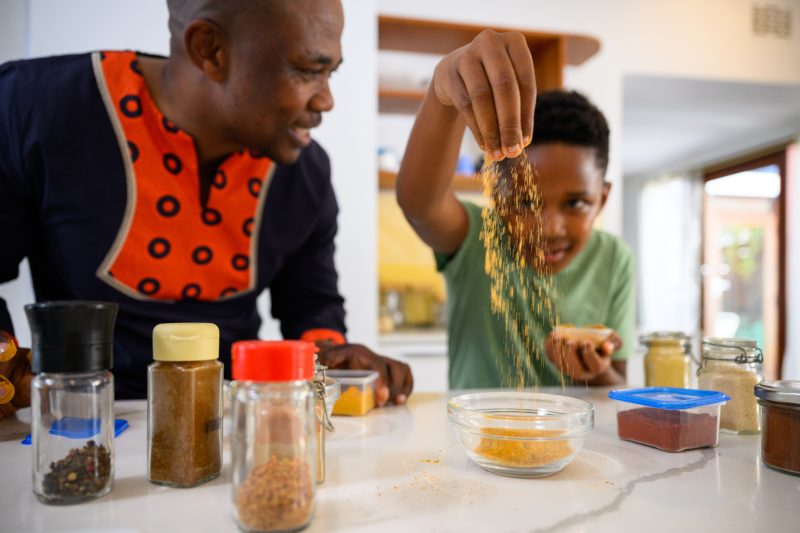
For kids with IBD, adjustments can be made to recipes so that both cultural identity and healthy digestion can be maintained.
Why culture matters in IBD care
“It’s very important to understand a family’s culture,” Dr. Watson explained. “There are so many different foods and preparation styles. If you don’t understand those, then you’re not going to get down to the key things that could be affecting a child.”
Rather than asking families to abandon foods that are meaningful to them, Dr. Watson focuses on helping them make adjustments that maintain both cultural identity and digestive health.
Foods that may trigger symptoms
While no single food causes or cures IBD, some ingredients can be harder on an inflamed digestive system. Dr. Watson said those triggers vary from person to person. For example:
- Hot peppers or spicy dishes may contain heat-producing ingredients like capsaicin, which can irritate the GI tract.
- Greasy or high-fat foods take longer to digest and can cause more pain or discomfort.
- Foods high in insoluble fiber can cause gas and bloating, especially during a flare.
- High-lactose foods can be harder to digest if the small intestine is inflamed.
- Alcohol, caffeine and carbonated drinks create a lot of gas in the belly and can cause discomfort.

Greasy or high-fat foods take longer to digest and can cause more pain or discomfort in kids with IBD.
Dr. Watson said a child’s tolerance to certain foods or ingredients may improve over time. “As kids get healthier, they can often tolerate foods better,” he said. “Some families choose to keep avoiding certain things because they feel better without them.”
There’s no one-size-fits-all diet
One big misconception is the belief that a single diet can work for all children with IBD.
“Everybody’s different,” Dr. Watson said. “There’s no 1 specific diet that works for everyone. It’s all about tailoring food choices to the child’s specific disease process and needs.
“This is why I recommend working with a pediatric gastrointestinal dietitian,” he added. “They can help families find the balance between medical guidance and cultural preferences.”

Akron Children’s Pediatric Gastroenterologist Dr. Kevin Watson has devoted much of his work to understanding IBD in underrepresented populations.
Balancing cultural traditions with IBD needs
For many families, the hardest part is figuring out how to make traditional or holiday meals safer for a child with IBD.
Dr. Watson works with families by asking about the dishes they commonly prepare. Are meals vegetarian? Lentil-based? Heavy in protein? Rich in carbs? Then he can help explore modifications.
Some simple examples include:
- Smaller portion sizes of richer dishes
- Choosing lower-lactose cheeses (e.g., Swiss, aged cheddar)
- Adjusting cooking methods
- Substituting ingredients without losing traditional flavors
“It’s about helping kids enjoy the foods they love while reducing the chance of irritation,” he said.

It can be helpful to ask in advance what foods will be served when eating at someone else’s house. To be on the safe side, bring your own safe foods that you know your child can tolerate.
Holiday tips for kids with IBD
Whether families are hosting or visiting others, planning ahead makes meals safer and more enjoyable.
Dr. Watson recommends:
- Ask in advance what foods will be served.
- Let relatives know about dietary needs.
- Bring safe foods the child can tolerate.
- Encourage smaller, more frequent meals.
- Help older kids understand their triggers.
“The last thing you want is to arrive somewhere and realize there’s nothing your child can comfortably eat,” he said.

Signs of IBD can include abdominal pain, diarrhea, bloody stools, gas and bloating and difficulty gaining weight.
Signs of IBD to watch for
Common symptoms of IBD include:
- Chronic abdominal pain
- Chronic diarrhea
- Blood in stools
- Gas and bloating
- Difficulty gaining weight
- Poor growth over time
If these symptoms persist, make an appointment with a pediatric gastroenterologist.
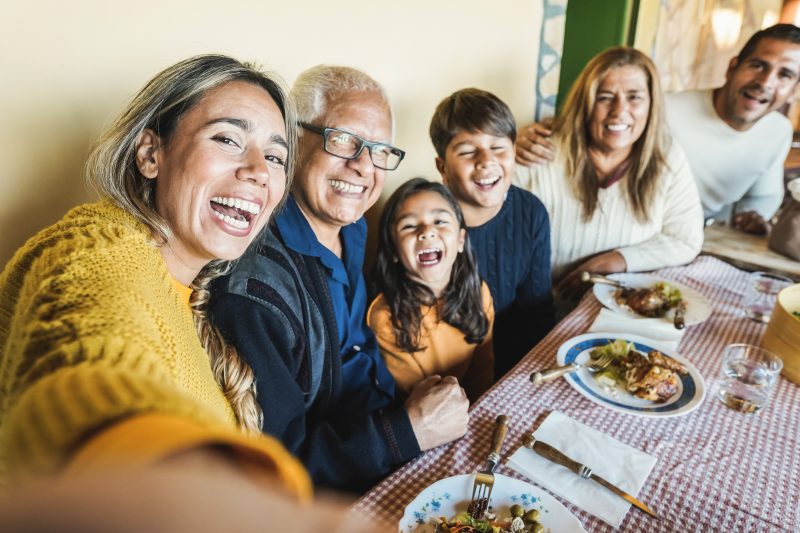
Seek the advice of a pediatric GI doctor or dietitian if you need ideas for safe substitutions or an individualized nutrition plan.
Support and resources
IBD care can feel overwhelming – especially when balancing cultural expectations, diet changes and a child’s health needs – but there are many resources available.
“I recommend the Crohn’s & Colitis Foundation’s “Gut Friendly Recipes” as a helpful starting point,” said Dr. Watson. “Pediatric GI providers and dietitians can also guide families through safe substitutions and individualized nutrition plans.
“At the end of the day, my goal is to help kids feel well and stay well while still honoring the foods and traditions that matter most to them,” he added.
Learn more about pediatric gastroenterology services offered at Akron Children’s.