
Just as the incidence of kidney stones in kids is on the rise, more children and teens are also developing gallstones. In both cases, the problem is largely diet related. With gallstones, the solution is usually surgery to remove the gallbladder, a small, pear-shaped pouch in the upper right abdomen. “It’s absolutely on the rise, […]
Patient Stories

Kids and Diabetes: Snack Hacks to Reverse Your Child’s Low Blood Sugar
Diabetes can be full of ups and downs – literally. While blood glucose levels can rise, they also can come crashing down. And when they go down too low, your child may experience low blood sugar, or hypoglycemia. If this serious condition is not treated, it can worsen and cause your child to pass out. […]

Dr. Robert Parry, a surgeon of many colors
The first thing you notice about Dr. Robert Parry’s office is that it holds a great number of clues about him. A motorized skateboard is propped against a wall, below a mounted, fiberglass sailfish, fabricated from a prize catch off the coast of Key West. He has a degree in electrical engineering, which like pediatric […]

Understanding the Risks vs. Benefits of Epidurals May Ease the Pain of Deciding Whether to Get One
Gone are the days when women had no choice but to endure labor and delivery without medication to ease the pain. Nowadays, options like epidural anesthesia can make the inevitably painful experience of childbirth calmer, controlled and, yes, even comfortable. Today, epidurals are the most popular method of pain relief during labor. More than two-thirds of […]

Akron Children’s Mahoning Valley continues the mission of Touched by Nathan
A Struthers couple is living up to the mission they began nearly 2 decades ago: support families who struggle with caring for a medically fragile child. Ken and Vicki Pavalko started the Touched by Nathan Foundation in honor of their late son, Nathan Charles Pavalko. He passed away 40 days after he was born with […]
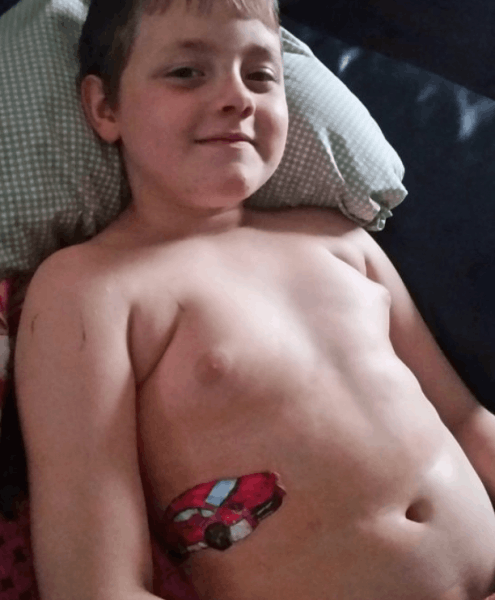
Pediatric Surgeon Continues Tradition of Making Unique Surgical Dressings for All of His Patients
We go the extra mile to help kids feel like kids. Pediatric Surgeon Dr. Robert Parry creates special drawings on surgical dressings. For Nicholas Sender, 8, that meant waking up from surgery with his own Lamborghini.