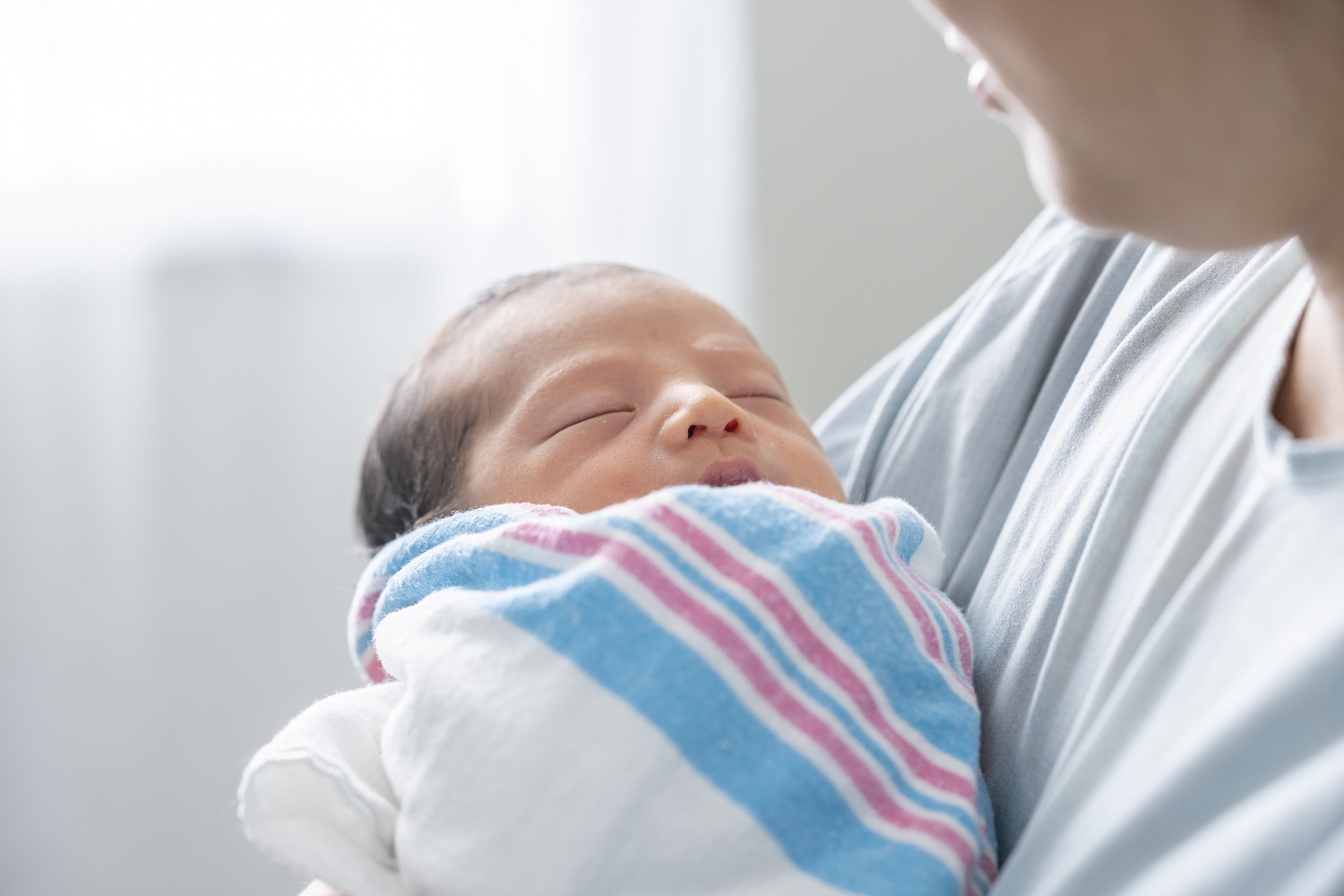
Epidurals are safe and widely used, but some mothers feel a better sense of control with a natural childbirth.
When you’re pregnant, it’s important to think about whether you want an unmedicated (natural) childbirth or get an epidural to reduce the pain. Dr. Jacqueline Cornell, OB-GYN with Akron Children’s Maternal-Fetal Medicine, shares her insight on both options.
What is an epidural?
An epidural is a type of regional anesthesia used to reduce pain during labor contractions and during delivery. It is a small, flexible catheter placed in the lower back – in the space just outside the spinal cord. It continuously delivers numbing medication throughout the labor process.
What are the benefits of getting an epidural?
An epidural provides the most effective form of pain relief during labor and delivery. It decreases pain from contractions, pushing and delivery – and provides anesthesia during any vaginal repair that may be needed afterward.
Are epidurals safe – for mom and baby?
Yes, they are considered safe for mom and baby. They are widely used: 73% of laboring women in the U.S. use an epidural. Many studies have shown that newborns have similar, if not better, outcomes immediately after delivery if an epidural was used.
Common but typically minor side effects for the mom can include temporary low blood pressure, fever and trouble urinating.
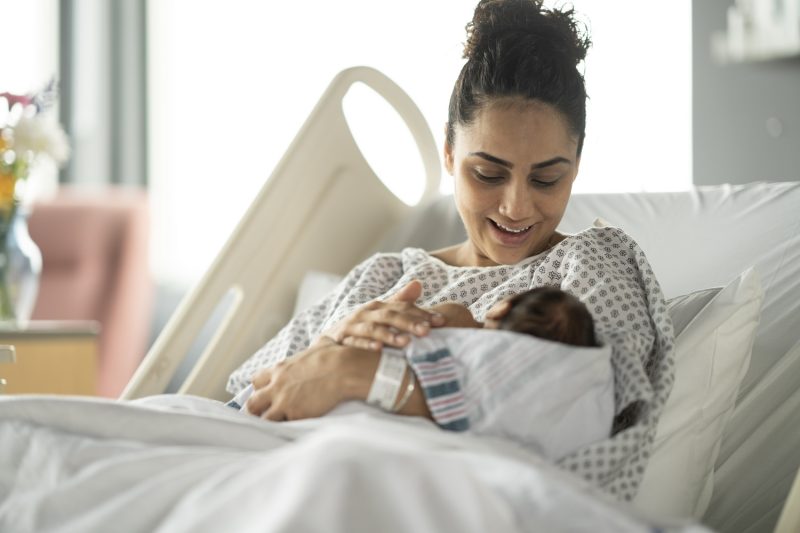
It’s helpful to have a birth plan but be flexible because your preference could change.
What are the benefits of natural childbirth?
Choosing an unmedicated birth is a preference of the mom. Potential benefits include full mobility during labor and delivery and the ability to use many different positions during contractions and pushing. Some women feel a greater sense of control over the birthing process without an epidural.
There has been no difference in maternal satisfaction with birth with an epidural or without.
When is the best time during pregnancy to decide what kind of birth you’re going to have?
This is something you can think about and talk with your obstetrician throughout pregnancy. It is helpful to have a birth plan, but more importantly, to be flexible as your preference could change.
Can you start with a natural birth and then get an epidural if the pain is too much?
Absolutely. Many women begin labor without an epidural and then request one as labor progresses. An epidural can be placed at any cervical dilation. There is no evidence that the timing of the epidural placement affects cesarean section (C-section) rate or instrumented delivery like needing a vacuum.
Is there medical misinformation about natural childbirth or epidurals that you want to address?
It is a common misconception that an epidural puts you at a higher risk for needing a C-section or an instrumented delivery – or making your labor last longer. Many studies have proven that an epidural does not increase the risk of C-section delivery or needing forceps or vacuum for delivery.
An epidural may increase the length of the first stage of labor by only 30 minutes and the second stage of labor (pushing) by only 15 minutes, which is not considered clinically significant.
Learn about our specialized maternal-fetal medicine care.