Vaccine safety during pregnancy: A moms-to-be guide
Marketing and Communications Staff Writer
If you’re planning to get pregnant — or already expecting — you’re bound to have questions about vaccine safety. Some vaccines are recommended during pregnancy, some should be given before pregnancy and others may need to wait until after your baby is born.
But either way, vaccines are an important part of a healthy pregnancy. For more than 50 years, they’ve been safely given to millions of pregnant women to help protect both moms and baby from serious illness.
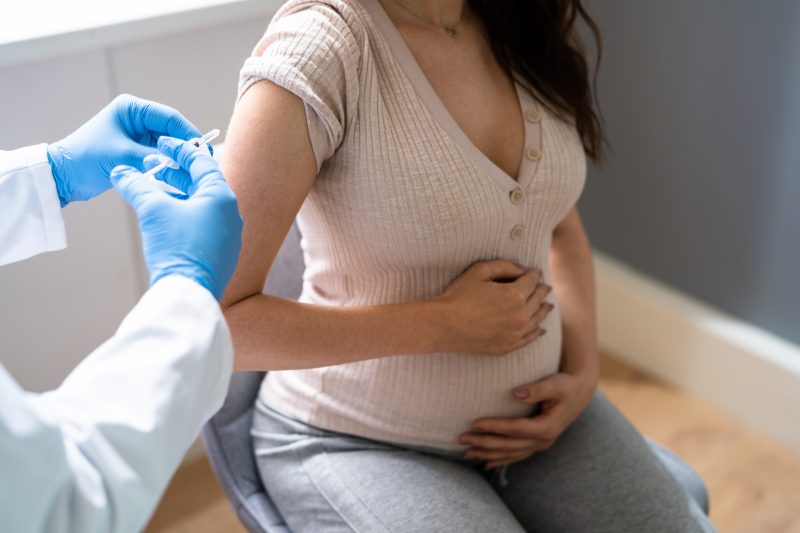
“When a pregnant woman gets vaccinated, her body creates antibodies that are passed on to the baby before birth,” said Michael Krew, MD, a maternal-fetal medicine specialist at Akron Children’s. “These antibodies help provide valuable protection until the baby is old enough to get vaccinated.”
Find out which vaccines are safe during pregnancy and which ones are best updated before you start trying for a baby.
Why vaccines matter in pregnancy
During pregnancy, your body — and immune system — go through many changes. This can make it harder to fight off certain infections and increases the chance of pregnancy problems.
Vaccines train your immune system to attack certain illnesses. During pregnancy, they can:
Help prevent serious illnesses
Lower the risk of pregnancy complications, such as early birth or even miscarriage
Pass protection (antibodies) to your baby before birth
Help protect your baby during the first few months of life when they’re too young for vaccines
In general, vaccines made with killed viruses (known as inactivated vaccines) are safe during pregnancy. But vaccines that contain weakened live viruses (known as live-attenuated vaccines) are not recommended during pregnancy.
“Live vaccines contain a weakened form of the virus, which can pose a risk of infecting your developing baby,” said Dr. Krew. “Vaccines made with killed viruses cannot cause infection and provide protective antibodies to both mom and baby.”
Safe vaccines during pregnancy
Some vaccines are recommended during pregnancy to protect baby until they’re old enough to get vaccinated on their own. They’re safe during pregnancy because they don’t contain live viruses.
Flu vaccine
The flu shot is recommended during any trimester of pregnancy, if you’re pregnant or breastfeeding during flu season.
Pregnant women and babies are more likely to get very sick from the flu. In some cases, the flu can lead to pneumonia, hospitalization and early birth. Getting the flu shot lowers your risk of serious illness and helps protect your baby after birth.
“When you get the flu shot, you pass on antibodies to your baby that can help protect them from the flu during their first few months of life,” said Dr. Krew. “Babies can’t get the flu shot until they’re 6 months or older.”
Plan to get the flu shot by the end of September, so you’re fully protected when flu season starts (typically runs October through May). But you should avoid the nasal spray flu vaccine, which isn’t recommended for pregnant women because it contains the live virus.
COVID-19 vaccine
Pregnant and breastfeeding women should stay up to date on COVID-19 vaccines.
Pregnancy increases the risk of becoming seriously ill from COVID-19. Vaccination can help lower the risk of severe illness and pregnancy complications, including preterm birth.
Inactivated versions are available for moms-to-be, including mRNA Moderna and Pfizer-BioNTech, both of which don’t contain the live virus
RSV vaccine
RSV is a common virus that often causes mild, cold-like symptoms. For babies, however, it can be much more serious.
RSV can lead to breathing problems, pneumonia and hospitalization in babies.
The RSV vaccine is recommended between weeks 32 and 36 of pregnancy during RSV season, which usually runs from September through January. Getting vaccinated protects your baby against serious respiratory illness after birth.
Tdap vaccine (Tetanus, Diphtheria and Pertussis)
The Tdap vaccine is recommended during every pregnancy, ideally between weeks 27 and 36, mainly to protect against pertussis (whooping cough).
Whooping cough can be very dangerous for newborn babies. When you get the Tdap vaccine during pregnancy, you’re helping to protect your baby until they are old enough to get vaccinated.
Even if you’ve had a Tdap vaccine before, you’ll need another dose during each pregnancy.
Vaccines to avoid during pregnancy
Some vaccines are best given before pregnancy because they contain weakened live viruses. These vaccines should be given at least one month before you become pregnant or immediately after your baby is born.
Vaccines to avoid during pregnancy include:
MMR (measles, mumps and rubella). Rubella infection during pregnancy can cause serious birth defects, such as heart or liver problems. It can also increase the risk of miscarriage.
Varicella (chickenpox) vaccine. Chickenpox during pregnancy can cause serious complications for both mom and baby.
HPV vaccine. Protects against infections that can cause genital warts and several types of cancer, including cervical, vaginal, penile and throat cancers.
Although the HPV vaccine isn’t a live virus, it’s not recommended because there isn’t enough research on its use during pregnancy.
“If you’re eligible and haven’t completed the series, it’s best to finish vaccination before becoming pregnant,” said Dr. Krew. “If you get pregnant before the series is complete, you can usually get the remaining doses after your baby is born.”
Planning for pregnancy: Vaccine checklist
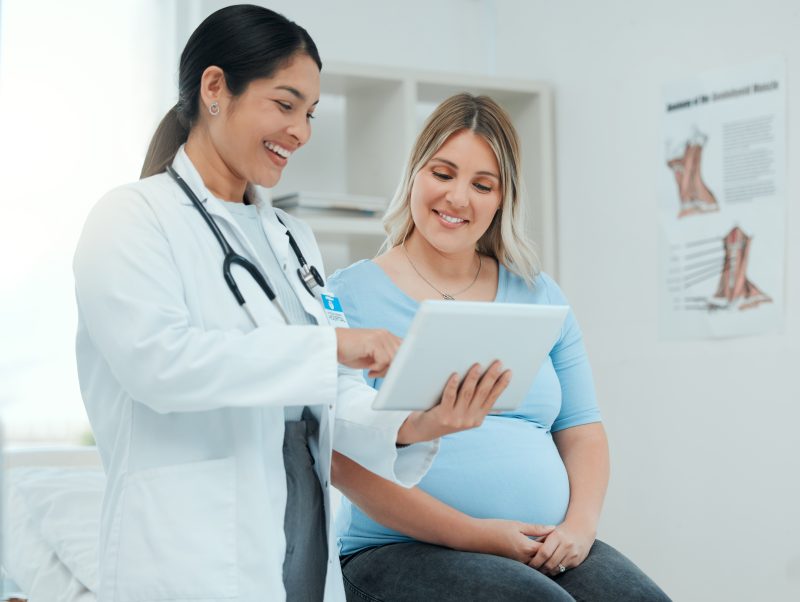
If you’re planning to get pregnant, consider scheduling a pre-pregnancy check-up with your doctor. It’s a good time to review your vaccination record, find out if you need to update any recommended vaccines, ask questions and make a plan for a healthy pregnancy.
“If you don’t have an updated vaccination record, your doctor can order a blood test to see if you’re protected against certain diseases,” said Dr. Krew.
Already pregnant? Don’t worry. You can still talk with your doctor about which vaccines are recommended for you.
Depending on your health, lifestyle and travel plans, your doctor may recommend additional vaccines for:
Hepatitis A and B
Meningitis
Pneumonia
These vaccines aren’t routinely recommended during pregnancy, but they can be given if a mom-to-be is at higher risk of exposure.
Every pregnancy is unique, so the best approach is to talk with your doctor about your vaccination history and any recommended updates.
“Whether you’re planning a pregnancy or already expecting,” said Dr. Krew, “having a conversation with your doctor can help provide valuable protection for both you and your future little one.”
Ready to expand your family? We are here to support you throughout pregnancy and post-delivery. Learn more.
Inside Children’s is an online community that provides inspirational patient and staff stories as well as information about health and parenting, hospital news, fundraising events and more.