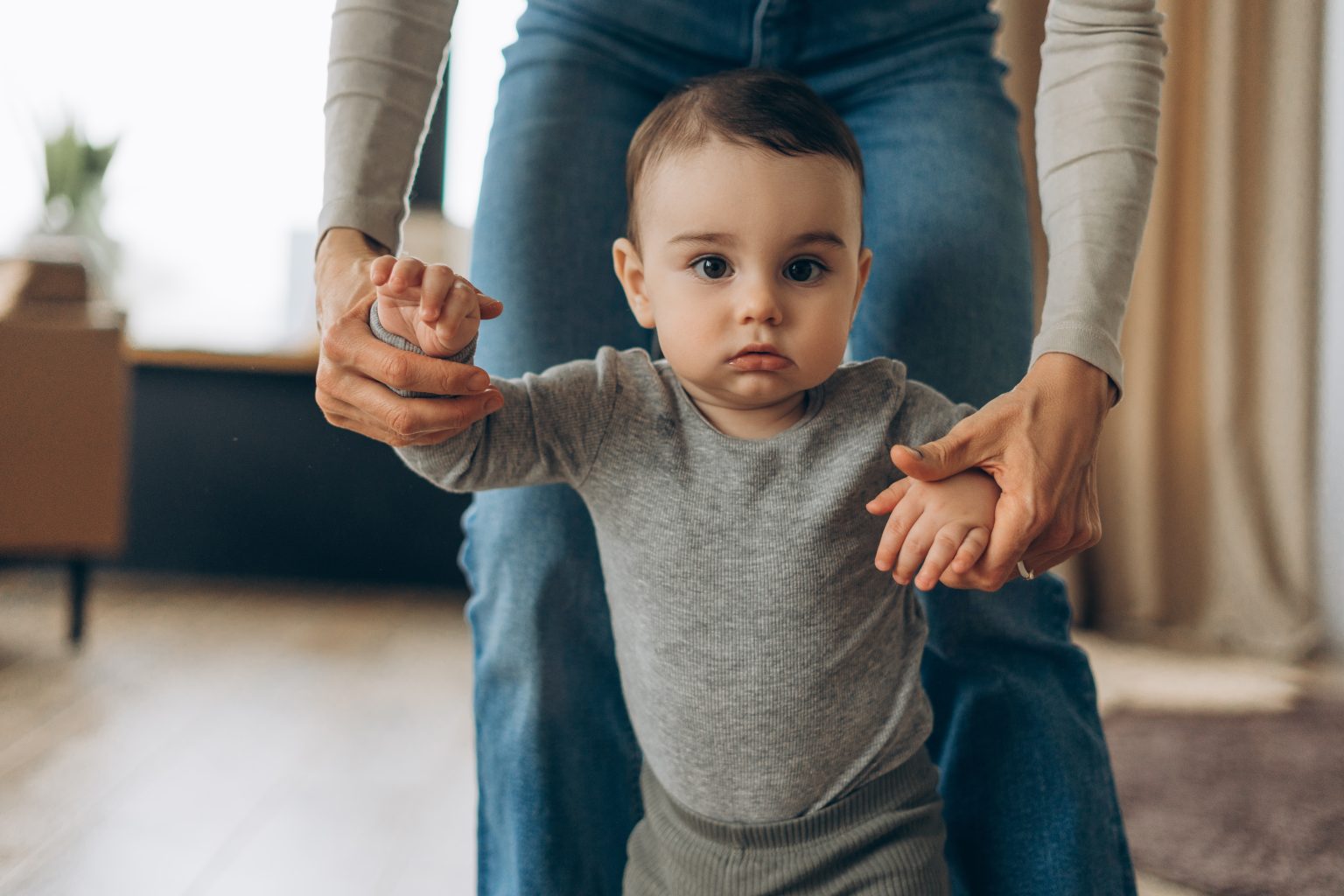
While many kids walk around 1 year old, it’s still considered normal if a child doesn’t walk until 18 months.
From your child being a “late” walker to developing a limp, parents have questions about why their kids are walking funny. Dr. Walter Samora III, Akron Children’s orthopedic surgeon, answers your common questions about walking concerns and what to do about them.
When should my child start walking?
“Many parents think their child should be walking around 12 months, but that is not always the case,” he said. “If your child doesn’t walk until 18 months, we still consider that normal.”
Are walking problems common in toddlers?
In a word, yes. “Many young kids have an unusual walking pattern, which is called a gait abnormality,” Dr. Samora explained. “Most kids grow out of these issues as they develop physically and learn how to walk. They do not need any form of medical treatment.”
Where should I start if I’m concerned about my child walking funny or not walking at all?
“Pediatricians are wonderful resources,” Dr. Samora said. “The pediatrician sees your child at very specific intervals, a recommended nine times between birth and 18 months. They can confirm your child’s development is on track, monitor your child’s gait for a period of time or refer you to Akron Children’s Orthopedics if there’s a concern.”
What are common causes of pediatric gait abnormalities?
Dr. Samora said gait issues get categorized by angulation and rotation. “Angulation is the difference among being bowlegged, having straight legs or knock knees,” he explained. “Rotation is the difference among in-toeing (also called pigeon toes), out-toeing and feet pointing straight. Some kids can have a combination of these issues, such as being bowlegged and in-toed or being knock-kneed with out-toes.”
All babies are born bowlegged, and their legs typically straighten out around 12 months. “We’ll see kids for bowleggedness around 16 to 18 months because we know their legs should be straight by then,” Dr. Samora said. “When they’re 2 years old, we’ll get the first X-rays to look at their growth plate.”
Another common gait issue is hypermobility, also known as being double jointed. This means a child’s joints move beyond the normal range of motion, making their feet and ankles wobbly. “With hypermobility, the joint instability can lead to clumsiness, tired muscle or frequent strains and sprains,” Dr. Samora offered. “Some of these kids will walk late. They’ll need physical or occupational therapy to help them build muscle strength.”
What should I do if my child walks differently than before?
If you notice a limp or other change in how your child walks, talk to their primary care provider. “The problem could fall under three different categories: trauma, infection or tumor,” Dr. Samora said. “When a child comes in with a limp or they’re walking differently, we ask if the child fell or hurt themselves. If the answer is yes, then we go the trauma route. But if the fall happened three or four days ago, and your child has a fever, it could be an infection in addition to the injury.”
Common injuries include broken tibias, the shin bone, caused by jumping on a trampoline. Another is a “toddler’s fracture,” which happens when a child goes down a slide on their parent’s lap. “The child puts their foot out to touch the slide, while the weight of the parent still goes forward,” he said. “The child’s leg will twist, breaking their tibia.”
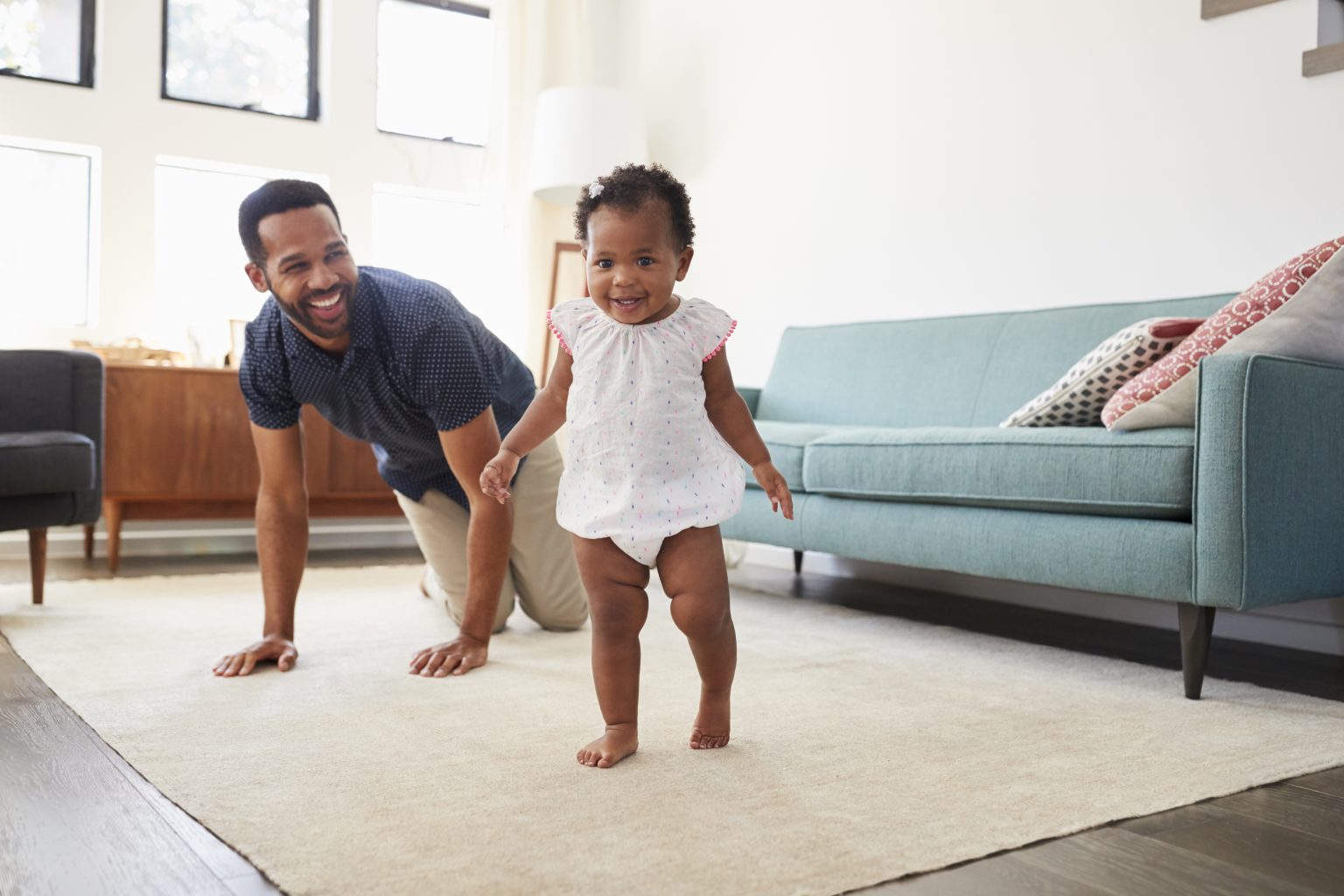
If your child walked correctly at first but developed a limp, see their primary care provider.
Does Akron Children’s offer any special treatment for kids with broken bones?
“We have waterproof casting, and we’re one of the few facilities that has it in our emergency rooms,” Dr. Samora said. “If a child gets a cotton cast, it can’t get wet. They’re very limited in what they can do, especially in the summertime. Kids with broken bones can get waterproof casts at Akron Children’s, and they can continue having a fun summer.”
If my child has a walking-related issue, why should we see a pediatric orthopedic specialist instead of an adult provider?
“Adult orthopedic doctors have different specialties – including knee, shoulder, elbow, foot and ankle,” Dr. Samora said. “With a pediatric provider, we are generalists who care for all orthopedic issues.”
What if we don’t live near a pediatric orthopedic doctor?
“The Akron Children’s orthopedic doctors work well with community pediatricians and adult orthopedic providers,” Dr. Samora shared. “If they have a question or want a second opinion, they can contact the on-call orthopedic specialist. The doctors can provide the child’s blood work, X-rays or other tests – and the orthopedic doctor can give a recommendation. It’s a great resource, giving community providers access to Akron Children’s experts and saving families hours of travel time if they don’t live near our facilities.”
Learn more about the orthopedic care Akron Children’s provides.