Home > Inside Blog > Patient Stories > From surviving to thriving: Family shares daughter’s mental health journey in hope of helping others
From surviving to thriving: Family shares daughter’s mental health journey in hope of helping others
Kathy Johnson - Senior Corporate Communications Specialist
Jordyn started to exhibit signs of depression at the start of the COVID pandemic.
Jordyn was always social, active and deeply connected to the people around her. So, when the world shut down during the COVID-19 pandemic, her mother, Andrea, began noticing changes that felt impossible to ignore.
“Her depression really started during COVID when everything went to home instruction,” Andrea said. “She’s a very social girl, and suddenly she couldn’t get out of the house. She was miserable.”
Grief, isolation and early warning signs
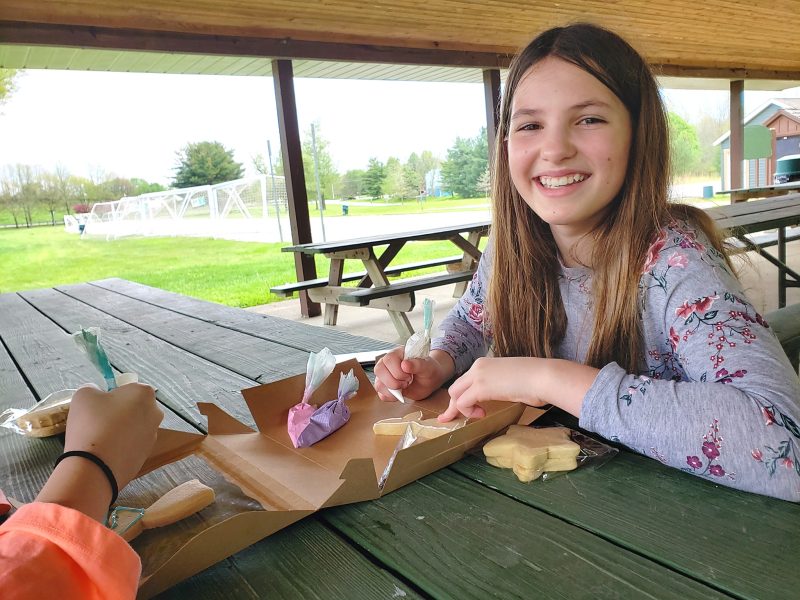
Andrea tried to help Jordyn feel less isolated during COVID by scheduling an outdoor meetup with a friend at the park.
The isolation came at an especially vulnerable time. Just before the pandemic, Jordyn had experienced the death of her grandfather.
“He had been sick for a long time, so it wasn’t unexpected,” Andrea said. “But she had trouble coping with it.”
As months passed, Jordyn withdrew further. She slept constantly, lost interest in activities she once loved and struggled socially after experiencing bullying at school.
“It was like her joy button was gone,” said Andrea.
At first, Andrea searched for physical explanations. Jordyn was tested for anemia because of her extreme fatigue. Looking back now, Andrea says she recognizes there were warning signs she didn’t fully understand at the time.
“I could kick myself for missing the red flags,” she said. “It should have occurred to me that she needed counseling earlier.”
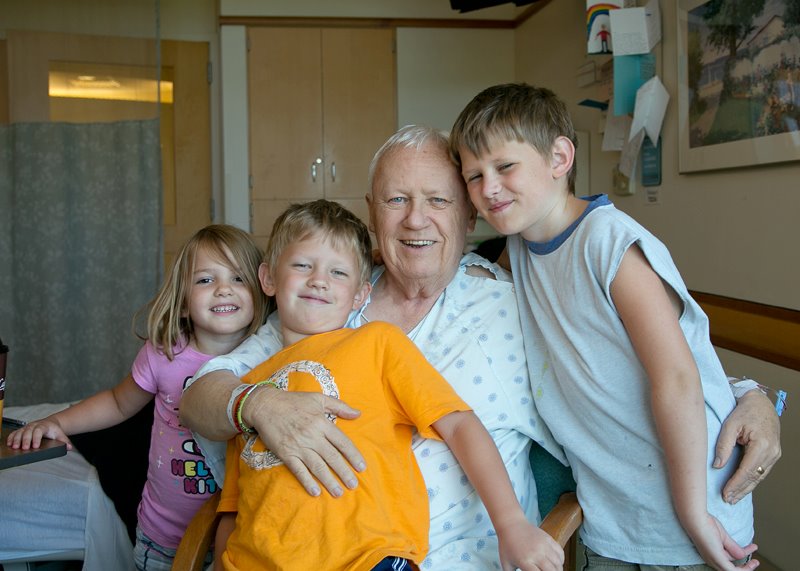
Jordyn lost her grandfather right before the pandemic, which also contributed to her depression at the time.
A family searching for help
Like many families seeking pediatric mental health support, Andrea quickly discovered how difficult it could be to access care.
“The wait list was incredibly long,” she said. “As a mom, I felt very isolated.”
Jordyn’s struggles eventually escalated into serious mental health crises requiring intensive treatment and close supervision at home.
“At one point, we were simply fighting to keep her alive,” Andrea said.
“Initially, I walked into Akron Children’s expecting a miracle,” Andrea said. “I wanted to hand my daughter over to the professionals to be ‘fixed’ and had no idea how long and difficult the next few years would actually be.”
Jordyn’s struggles eventually escalated into serious mental health crises requiring intensive treatment and close supervision at home.
Learning that recovery takes time
Instead, Andrea learned that healing would take time, patience and consistency.
“It’s a slow, deliberate process that requires immense patience and hard work,” she said.
Andrea credits an outside parental support group with helping both her and her husband better understand how to support their daughter – and each other – throughout the recovery process.
The experience also changed how Andrea viewed progress and success.
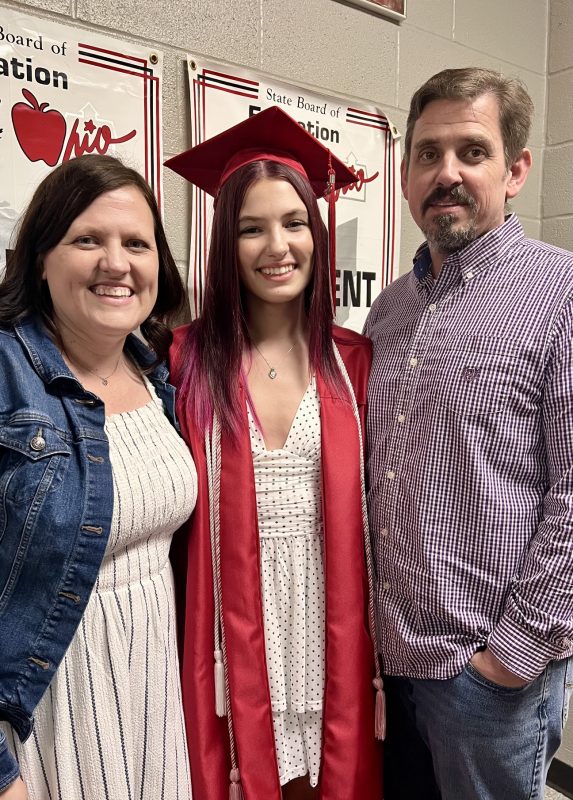
Jordyn recently graduated from high school and is exploring future college and career paths while continuing therapy and ongoing support services.
The turning point
One of the biggest turning points came when Jordyn began reconnecting with her family in everyday ways.
“She started having normal conversations with her siblings again,” Andrea said. “Those little moments meant everything.”
Today, Jordyn is 18 years old and recently graduated from high school. She’s exploring future college and career paths while continuing therapy and ongoing support services.
“She’s extremely artistic and science-minded,” Andrea said. “Maybe she’ll pursue a career in mental health one day; she’s certainly lived it.”
For Andrea, milestones that may seem ordinary to other families now feel extraordinary.
“She loves working and making money,” Andrea said with a laugh. “She bought me a perfume sampler for Mother’s Day. Those are the little moments I don’t take for granted anymore.”
Andrea hopes sharing their story encourages other parents to seek help early and remain patient during the recovery process.
A message of hope for other families
Andrea hopes sharing their story encourages other parents to seek help early and remain patient during the recovery process.
“In the beginning, your child may not be ready to fully accept the therapy, but the information is being planted,” she said. “Over time, those tools can make all the difference.”
She also wants families to know they don’t have to navigate mental health struggles alone.
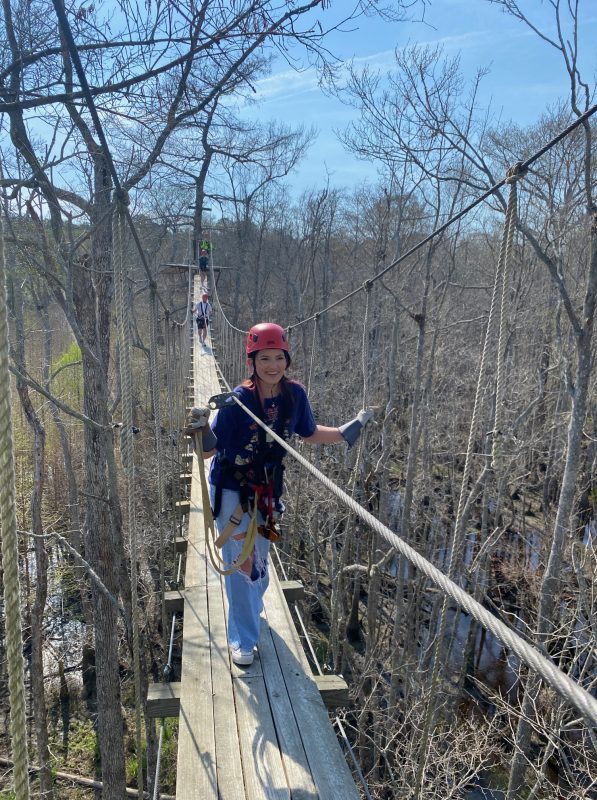
After years of inpatient and outpatient therapy, Jordyn is now finding joy again in her life – which her mom said at one time felt completely out of reach.
“Figure out who your tribe is,” Andrea said. “Put away your pride and admit you need help. It can be very hard on families and marriages, but support matters.”
Today, Andrea says the future looks entirely different than it once did.
“There was a time when her future felt completely out of reach,” she said. “Now she’s finding joy again – spending time with friends, driving, working, thinking about her future. What might seem like typical milestones to other parents are, for us, an answer to our prayers.”
About Kathy Johnson - Senior Corporate Communications Specialist
Kathy Johnson is a northeast Ohio-based freelance writer, editor and public relations consultant with over 25 years of experience in the healthcare industry. She writes extensively for blogs, websites, newsletters and magazines. Since 1999, she has been the principal at New View Communications serving a variety of hospitals and healthcare-related clients.
Inside Children’s
Inside Children’s is an online community that provides inspirational patient and staff stories as well as information about health and parenting, hospital news, fundraising events and more.