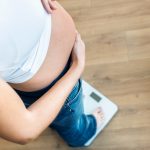
Pregnancy isn’t the time for extreme dieting, but it is a time to focus on healthy habits that support both mom and baby.
Every pregnancy comes with its own challenges and needs. While starting a pregnancy at a higher weight can raise certain risks for mom and baby, there are practical things you can do to address this.
“Pregnancy isn’t the time for extreme dieting, but it is a time to focus on healthy habits that support both mom and baby,” said Dr. Michael Krew, a maternal-fetal medicine specialist.
How obesity can affect pregnancy
Obesity (a body mass index, or BMI, of 30 or higher) can increase the chance of several complications for mom including:
- Gestational diabetes (high blood sugar during pregnancy)
- High blood pressure and preeclampsia
- Sleep apnea, which can affect oxygen levels
- Cesarean delivery (C-section) and longer recovery
- Larger babies, which can make delivery harder
For the baby, risks may include preterm birth, birth defects and a higher chance of obesity later in life.
“While these risks sound scary, many women with obesity go on to have healthy pregnancies,” Dr. Krew said. “Early prenatal care and steady day-to-day habits can make a big difference.”
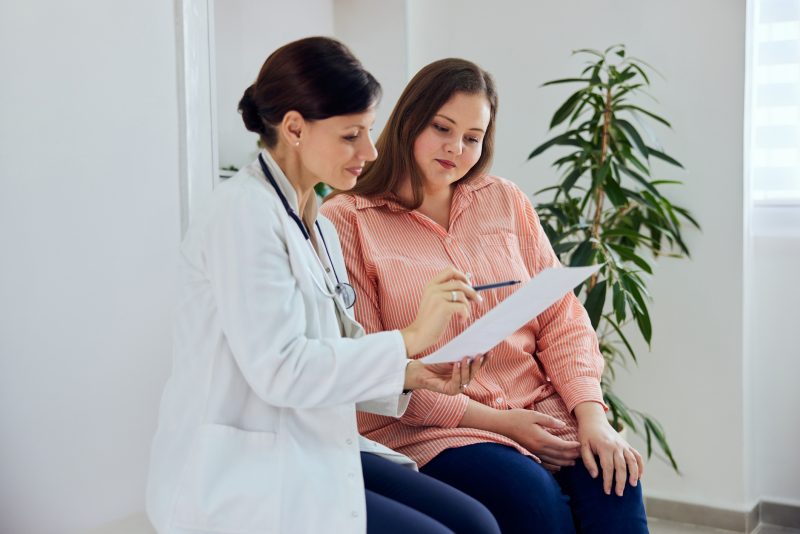
If you’re planning a pregnancy, even modest weight loss – about 5%-10% of your body weight – can improve fertility and reduce risks.
Should you lose weight before pregnancy?
If you’re planning a pregnancy, even modest weight loss – about 5%-10% of your body weight – can improve fertility and reduce risks.
“Losing even a small amount of weight before becoming pregnant can make a meaningful difference,” said Dr. Krew.
However, once you’re pregnant, weight loss is usually not recommended unless closely supervised by your doctor. Instead, the focus shifts to healthy weight gain based on your starting BMI.
What about weight-loss medications?
Weight-loss medications like semaglutide and tirzepatide have become more common. These drugs can help people lose weight before pregnancy, but they aren’t considered safe during pregnancy.
“If you’re taking a GLP-1 medication and planning to conceive, talk with your provider,” Dr. Krew advised. “These medications need to be stopped ahead of time to ensure safety.”
Always consult your doctor before starting or stopping any medication.
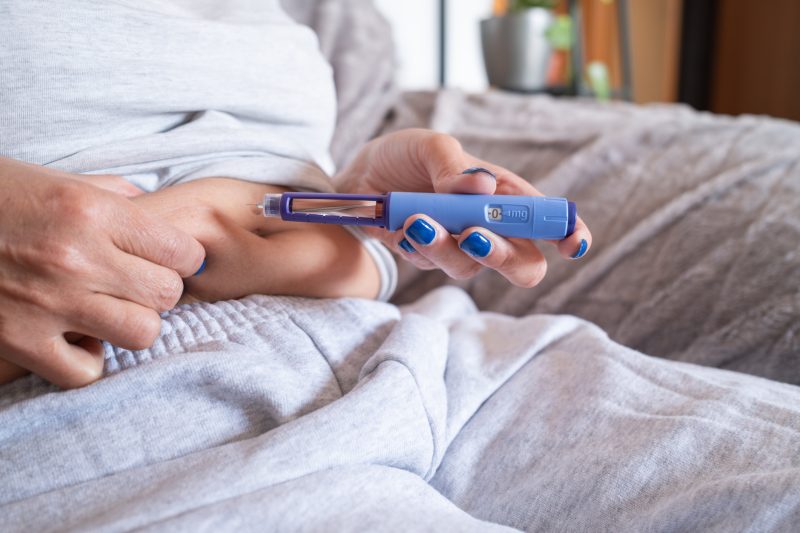
GLP-1 drugs can help people lose weight before pregnancy, but they aren’t considered safe during pregnancy.
Healthy eating during pregnancy
The foods you choose to eat during pregnancy can help support your baby’s development while keeping weight gain on track. Focus on:
- Whole foods like fruits, vegetables, whole grains and lean proteins
- Healthy fats such as avocado, nuts and olive oil
- Portion control, rather than strict calorie cutting
Try to limit:
- Sugary drinks and processed foods
- High-sodium snacks
- Empty-calorie foods with little nutritional value
“You don’t need to ‘eat for 2,’” said Dr. Krew. “You need to eat smart for 2.”
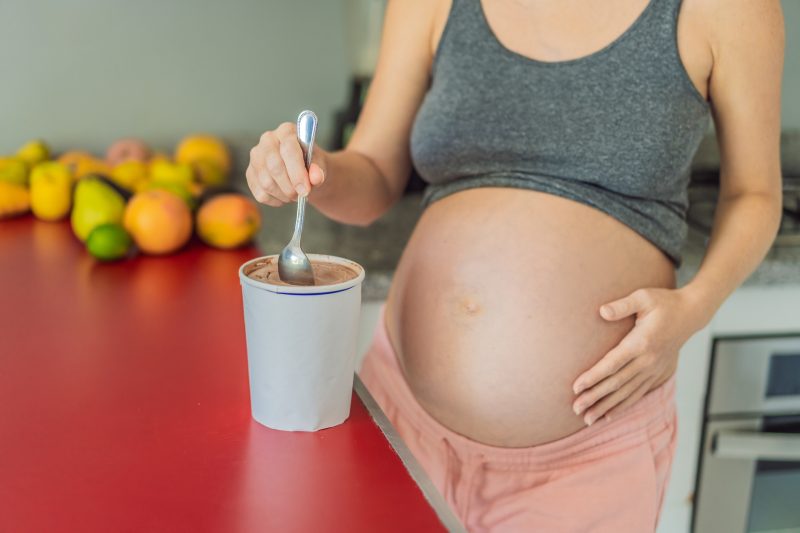
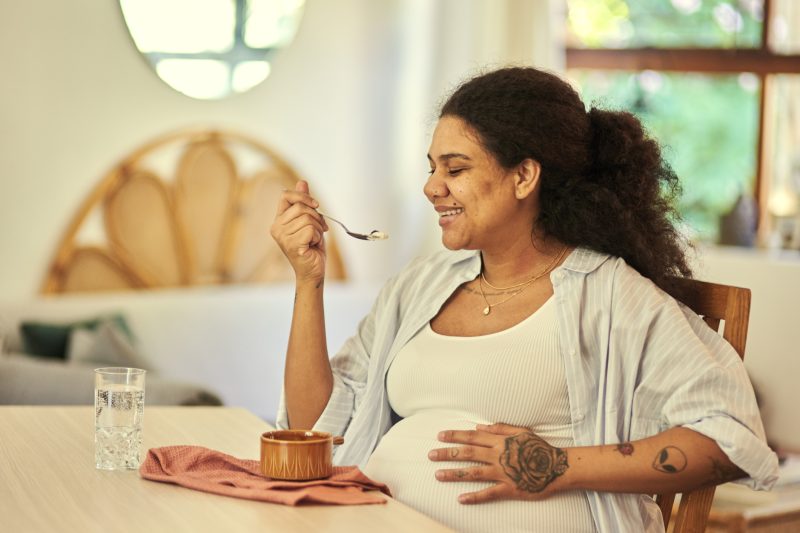
The foods you choose during pregnancy can help support your baby’s development while keeping weight gain on track. Try to limit sugary drinks and processed foods, high-sodium snacks and empty-calorie foods with little nutritional value.
Safe exercise tips
Physical activity is one of the best ways to support a healthy pregnancy. Most pregnant women can safely aim for:
- 150 minutes of moderate exercise per week, such as walking or swimming
- Light strength training with guidance
- Stretching or prenatal yoga
Exercise can help control weight gain, lower your risk of gestational diabetes and improve your mood and energy.
“Movement doesn’t have to be intense to be effective,” Dr. Krew said. “Even a daily walk can have big benefits.”
Build healthy habits that last
Instead of focusing on quick fixes, aim for habits you can maintain long-term:
- Get regular prenatal care
- Track your weight gain with your provider
- Prioritize sleep and stress management
- Stay hydrated
“Healthy routines repeated over time matter more than trying to do everything perfectly,” Dr. Krew said. “With the right support, healthy habits and guidance from your care team, you can take meaningful steps toward a safer pregnancy.”
If you’re planning to conceive or are already pregnant, talk with your provider about a personalized plan that works for you.