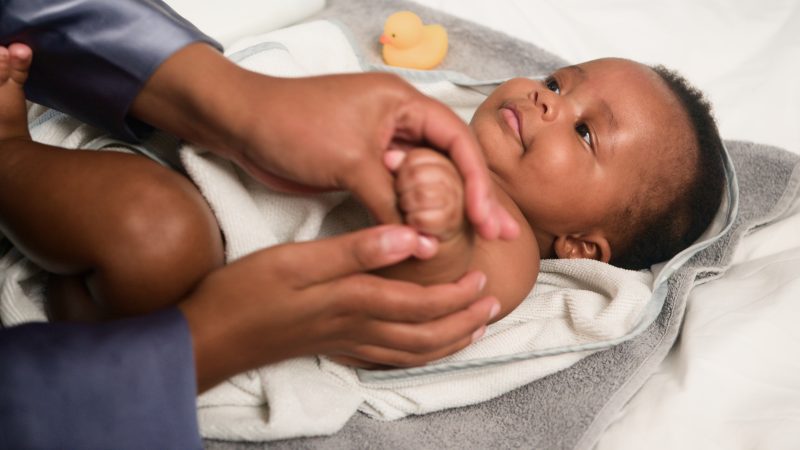
Infant massage is a simple, effective way to support your baby’s comfort, development and bonding.
Welcoming a new baby is exciting – but it can also feel overwhelming, especially if your baby needs medical care or extra support. For parents of hospitalized or Neonatal Intensive Care Unit (NICU) babies, finding simple ways to comfort and connect with your child can feel especially important.
Infant massage is a simple, effective way to support your baby’s comfort, development and bonding. Using gentle, rhythmic touch, parents can help their baby feel more relaxed, secure and connected – whether at home or in the hospital.
Benefits of infant massage for hospitalized and NICU babies
According to occupational therapist Izzy De Leon Soto, infant massage can help offset some of the challenges babies experience in the hospital, such as bright lights, alarms, frequent handling and medical procedures.
“It provides calm, positive touch that helps babies feel secure,” she said. “That sense of security is important for development, especially for babies growing or recovering in the NICU.”
For parents, it also offers a meaningful way to be involved in their baby’s care during a time that can feel uncertain.
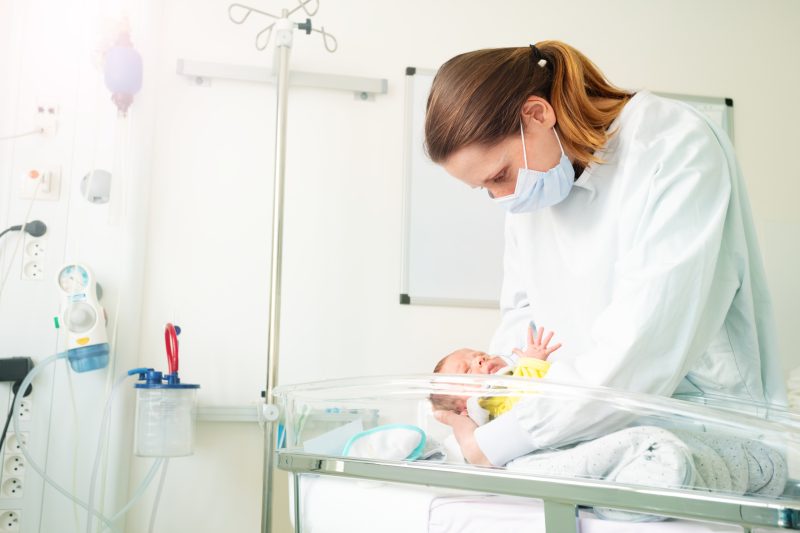
Infant massage can help offset some of the challenges babies experience in the hospital, such as bright lights, alarms, frequent handling and medical procedures.
How infant massage supports physical development
When babies are uncomfortable, gassy or colicky, they may tense their muscles and appear stiff or guarded. This can make it harder for them to stretch, move and explore.
Physical therapist Danielle Sinick says infant massage may help by:
- Improving circulation and body awareness
- Supporting healthy muscle tone
- Encouraging natural movement and exploration
Massage may also stimulate the parasympathetic nervous system, often known as the body’s “rest and digest” response.
“This can help the intestines move more efficiently and allow trapped gas to pass,” she said.
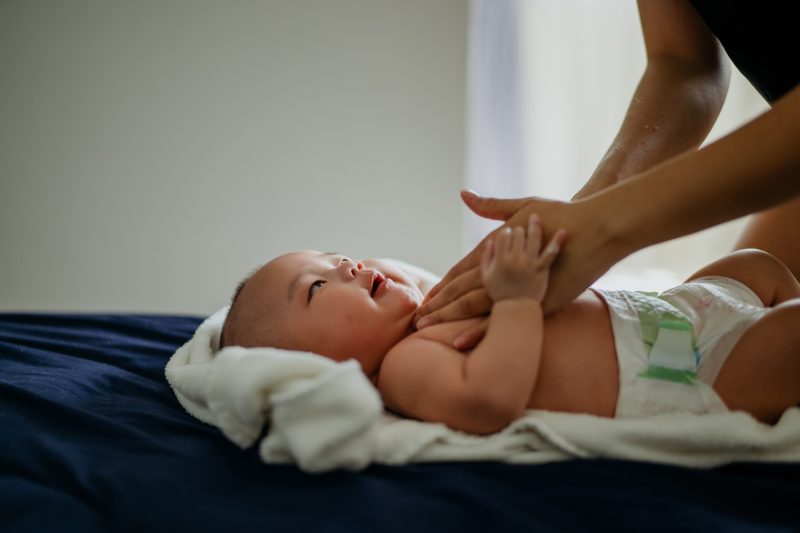
Massage helps babies organize their nervous system and reach a calm, alert state – which is ideal for learning.
How infant massage supports brain development
A baby’s brain develops rapidly during the first year of life, and touch plays an important role in that growth.
“Massage helps babies organize their nervous system and reach a calm, alert state – which is ideal for learning,” Izzy said. “When babies feel secure, they’re better able to engage with the world around them.”
Infant massage for sleep and relaxation
Many parents look for ways to help their baby sleep more peacefully. Infant massage can support better rest by:
- Relaxing the body
- Reducing discomfort
- Helping babies settle more easily
For older babies, massage can also become part of a calming bedtime routine, helping signal that it’s time to wind down.
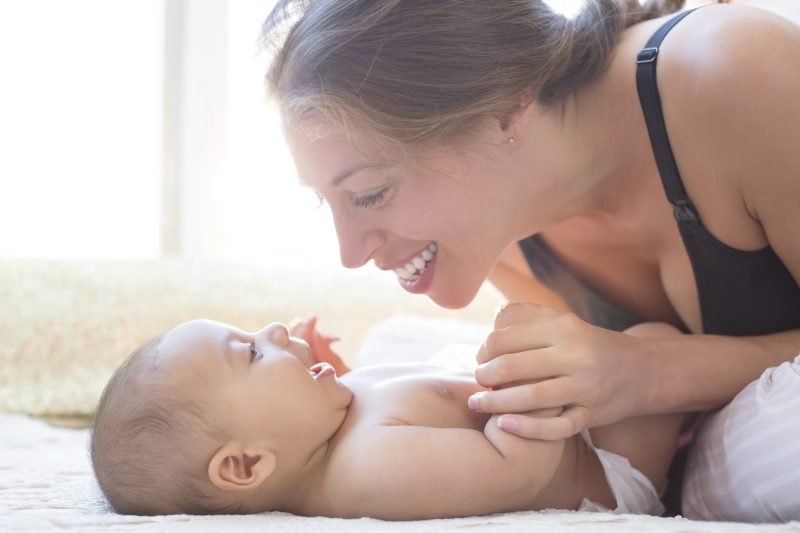
Infant massage is about more than just parent-child connection. It also helps with sleep, relaxation and reducing discomfort.
How infant massage strengthens parent-baby bonding
At its core, infant massage is about connection. It encourages:
- Skin-to-skin contact
- Eye contact
- A responsive, back-and-forth interaction between parent and baby
Many parents find that massage becomes a meaningful routine they continue long after leaving the hospital. Learning infant massage during a hospital stay also gives families a practical tool they can confidently use at home.
“Parents leave with a skill that supports their baby’s comfort, development and emotional well-being well beyond infancy,” Danielle said.
How to safely get started with infant massage
Parents of hospitalized or medically fragile babies should talk with their care team before starting infant massage.
“You don’t need special equipment or formal training to begin,” Izzy said. “What matters most is being present, paying attention and responding to your baby’s cues.”
Infant massage tips for parents
- Avoid massage right after feeding or if your baby isn’t feeling well
- Choose a warm, quiet environment
- Try infant massage after a bath or before bedtime
- Use a small amount of baby-safe oil with gentle, rhythmic strokes
- Maintain eye contact and speak or sing softly
- Keep sessions short – about 5 to 10 minutes
- Stop if your baby shows signs of discomfort, such as crying or turning away
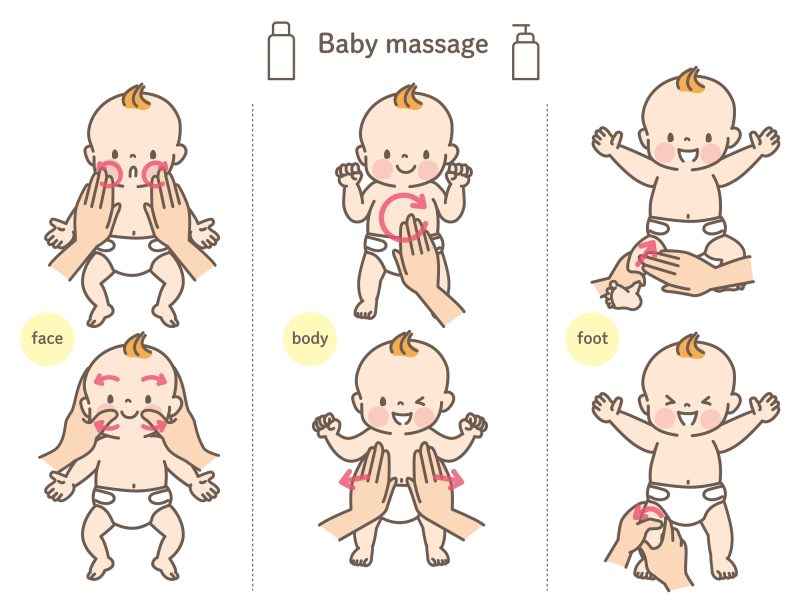
Infant massage doesn’t have to be perfect to be effective. Even a few quiet minutes of gentle, focused touch can help your baby relax, feel secure and stay connected to you.
Simple infant massage techniques you can use at home
Start with slow, steady movements and adjust based on your baby’s cues.
Legs and feet: Begin at the hip and gently move down toward the toes using a light, squeezing motion. Use small, overlapping thumb strokes on the feet.
Tummy and chest: Use a “waterfall” motion, with one hand following the other as you gently sweep downward across the chest and belly. This may help relieve gas and promote comfort.
Back: With your baby on their stomach, use long, smooth strokes from the shoulders down to the bottom. Keep your hands on either side of the spine and avoid direct pressure.
Face: Gently trace along the jawline, then sweep softly across the forehead and eyebrows.
A simple way to support your baby’s comfort and development
Infant massage doesn’t have to be perfect to be effective. Even a few quiet minutes of gentle, focused touch can help your baby relax, feel secure and stay connected to you.
It’s a simple, meaningful way to support your baby’s comfort, growth and development both in the hospital and at home.
We’ll help you navigate the wonderful world of raising a newborn. Learn more.