Art therapy supports healing for kids in behavioral health care
Kathy Johnson - Senior Corporate Communications Specialist
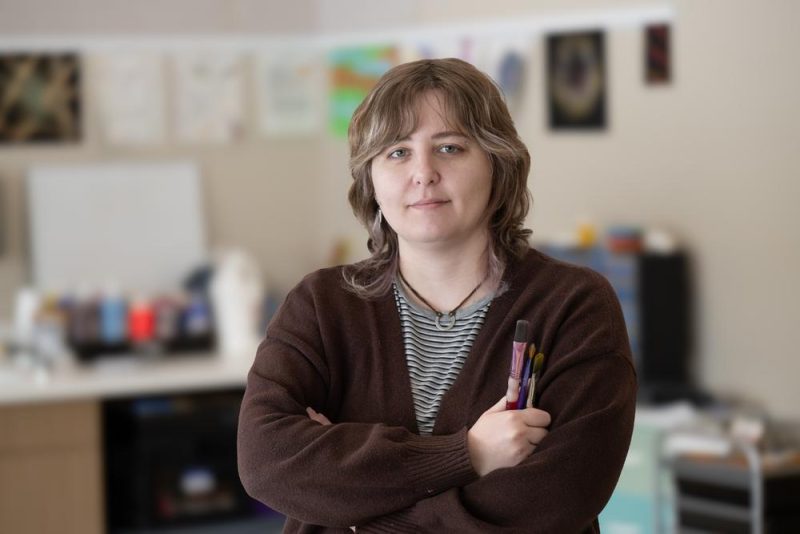
Isabella (Izzy) Quinn
When kids and teens are navigating anxiety, depression or other behavioral health challenges, finding the right words can be hard. That’s when creative outlets, like art therapy, can help.
“Art therapy is about expressing ideas or processing feelings and thoughts,” said Isabella (Izzy) Quinn, an art therapist who works with patients in the Behavioral Health Partial Hospitalization (PHP) and Intensive Outpatient Programs (IOP). “It’s not art class. You’re not going to get a grade. It’s not about making something pretty – it’s about what you’re expressing and what the materials can do for you.”
Why art therapy belongs in a behavioral health setting
Behavioral health treatment often involves a lot of conversation, reflection and skills-building. While those approaches are essential, art therapy gives patients another way to engage in the work of healing.
“It gives patients a break from all the talking and processing,” Izzy said. “They think it’s a break, but they’re still doing the work – just in a different modality.”
For patients who struggle to verbalize emotions, art can access feelings that words can’t always reach.
“Using art taps into those things we just feel and know but don’t necessarily have words for,” she said. “That can be really cathartic.”
Behavioral health treatment often involves a lot of conversation, reflection and skills-building. While those approaches are essential, art therapy gives patients another way to engage in the work of healing.
Meeting patients where they are
Izzy works with groups of adolescents, typically ages 12 to 17, tailoring each session to the needs of the group.
“I try to aim the art intervention around the theme of the day – mindfulness, for example – but it really depends on what the kids need,” she said. “If there are common issues coming up like identity, relationships or emotion regulation, I might gear the activity toward that.”
Izzy said a core part of art therapy is intentionally choosing materials based on how much control or freedom they offer.
“If I’m just giving them pencils, I can’t expect a lot of big expression,” Izzy explained. “That’s going to stay small and controlled. But if we’re working on expression, something more fluid – like paint – allows for more movement and emotion.”
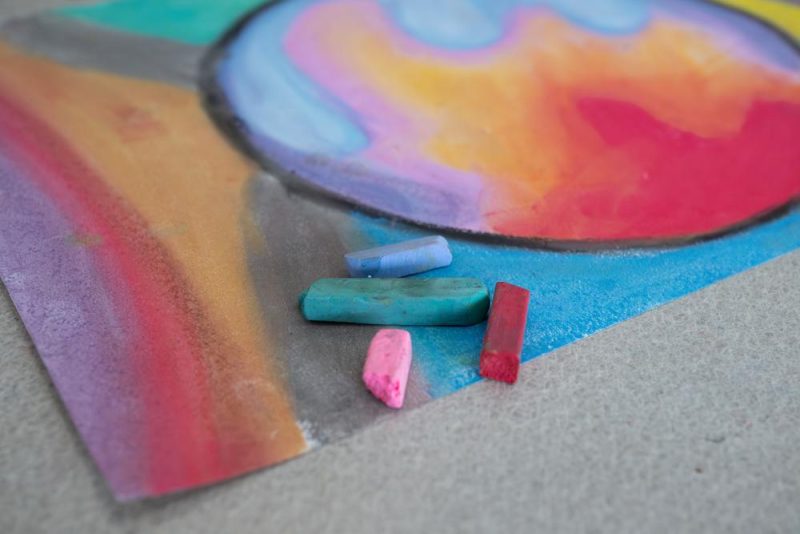
Izzy uses different mediums, like paint and chalk, to help her patients express their emotions.
‘I’m not good at art’ — and why that doesn’t matter
Many patients are hesitant at first, especially those who don’t consider themselves “artistic.”
“I tell them right away that this isn’t about being good at art,” she said. “It’s about expressing something. A lot of kids have perfectionism or past experiences of being criticized, so that resistance makes sense. I just keep reminding them that there’s no right or wrong here.”
When art says what words can’t
One of the most powerful aspects of art therapy is how it helps patients communicate things they may not even realize they’re holding inside.
“Teenagers are really big on symbolism,” Izzy said. “If you give them something to work with, once you start reflecting with them, they love saying, ‘Oh, this means that.’”
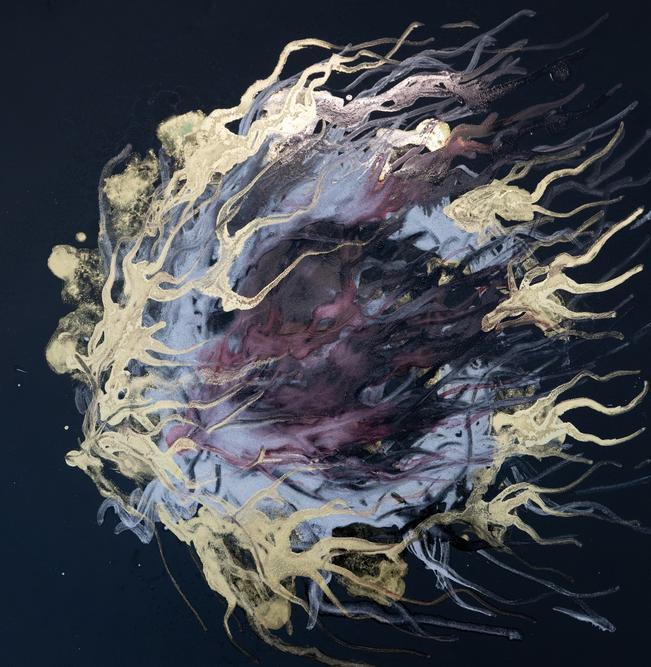
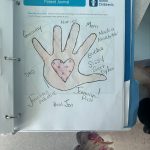
Patients often use symbolism to help them express what they are feeling.
A recurring theme she often sees is landscapes with large, looming mountains.
“I might ask, ‘What’s behind those mountains?’ or ‘What kind of energy do they have?’” she said. “And the patient might say, ‘It feels impossible to cross.’ Suddenly we’re talking about barriers in life – things that feel overwhelming – even though they started out just drawing a landscape.”
Those insights don’t always require long discussions.
“Sometimes it’s not about going deep verbally,” Izzy said. “It’s just that shared understanding that ‘I see it, and I get it.’”
Small moments that make a big impact
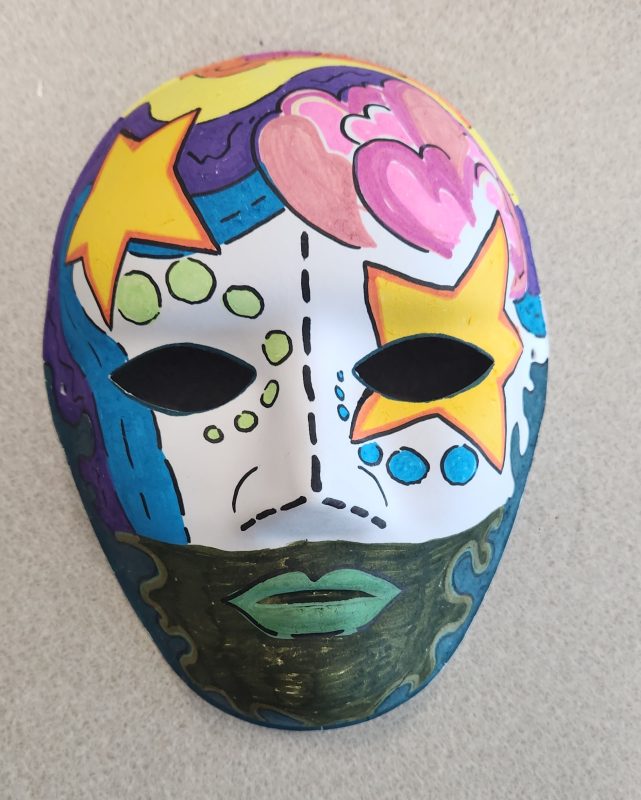
One common art therapy activity uses masks to explore the difference between what patients present outwardly and what they keep private.
“These kinds of activities usually spark powerful conversations,” she said. “A lot of times they identify that they hide sadness, anger or anxiety because they don’t want to be a burden or they’re afraid their feelings will be used against them.”
Izzy uses masks to help kids express what they show the outside world versus what they keep on the inside.
As patients in the group talk about what they’re feeling, they often recognize shared experiences between them.
“Art allows them to connect with each other and feel less alone,” Izzy said. “So many of our patients bottle things up. When they realize others feel the same way, it can be incredibly validating.”
Part of a larger healing team
Art therapy is one piece of the hospital’s broader Expressive Therapy program, which supports patients across both medical and behavioral health settings by using storytelling, dance, poetry, art and music.
“There are art therapists working with kids on the medical side as well, helping them cope with all kinds of conditions,” Izzy said. “And within behavioral health, there are multiple therapists supporting patients at different levels of care.”
For Izzy, who discovered art therapy by blending her love of art with an interest in psychology, the work feels like a natural fit.
“I knew fine arts alone wasn’t my path,” she said. “Art therapy brought together creativity and mental health in a way that really made sense to me. It gives people another way to feel seen, understood and supported when words fall short.”
About Kathy Johnson - Senior Corporate Communications Specialist
Kathy Johnson is a northeast Ohio-based freelance writer, editor and public relations consultant with over 25 years of experience in the healthcare industry. She writes extensively for blogs, websites, newsletters and magazines. Since 1999, she has been the principal at New View Communications serving a variety of hospitals and healthcare-related clients.
Inside Children’s
Inside Children’s is an online community that provides inspirational patient and staff stories as well as information about health and parenting, hospital news, fundraising events and more.