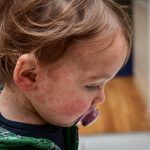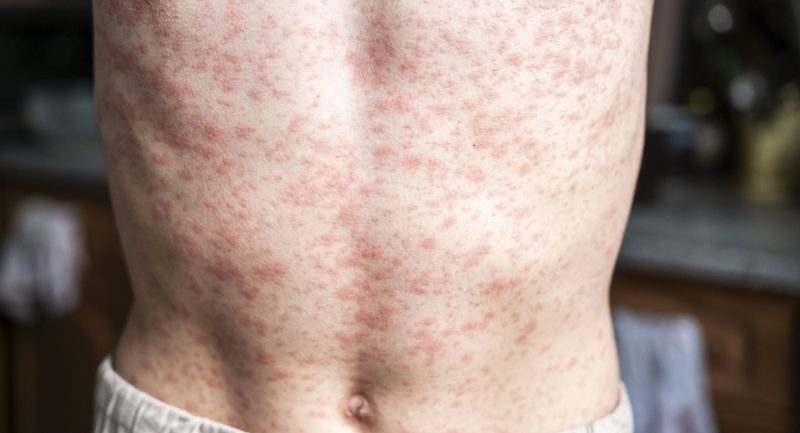
Measles spreads easily and can cause serious complications, especially in young kids.
Measles is back – and for parents, that’s reason for concern. Measles outbreaks highlight a troubling trend: A virus once nearly eliminated in the U.S. is resurging as vaccination rates decline.
Measles spreads easily and can cause serious complications, especially in young children. According to Akron Children’s these outbreaks are both preventable and worrisome.
Why measles outbreaks are increasing in the U.S.
When fewer people are vaccinated, measles can spread quickly – especially in communities with large numbers of unvaccinated children.
A single child can spread measles to 90% of unvaccinated, exposed people. To put that into context, if they expose 20 children, 18 of the children would develop measles.
Because of how contagious measles is, even small drops in vaccination coverage can lead to major outbreaks.
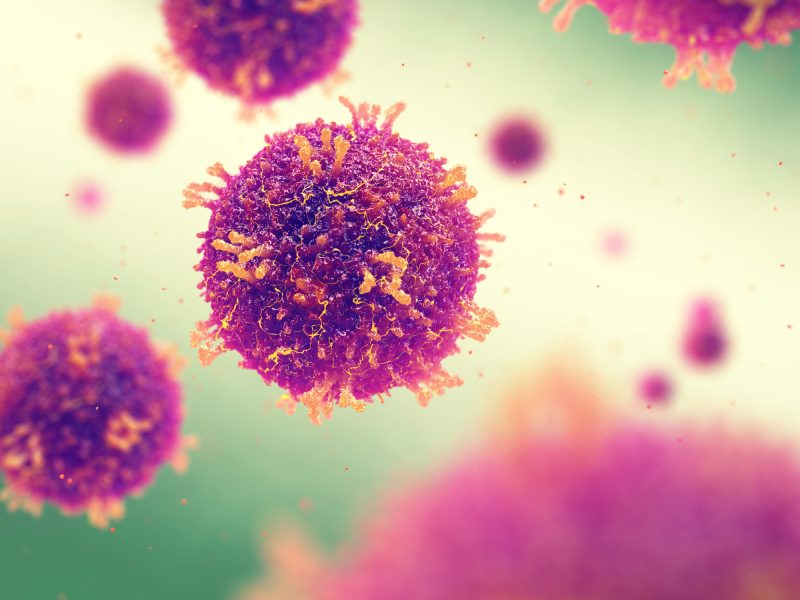
Measles is a highly contagious viral disease that can weaken the immune system long after the infection is over.
How parents can protect their children from measles
The best way to prevent measles is by getting vaccinated.
- The first dose is typically given at 12 months of age
- 1 dose is 93% effective
- 2 doses are 97% effective
Patients who are vaccinated and get breakthrough measles are much less sick and much less contagious.
While avoiding people with fever and/or a rash can help, measles can be difficult to identify early on.
Infants under 12 months are especially vulnerable. If your child has been exposed to someone with measles, contact your doctor to determine if they are old enough to receive a dose of the vaccine to help prevent them from getting measles.
Why measles isn’t a mild childhood illness
Some parents mistakenly believe measles is harmless. In truth, it can cause serious, and sometimes fatal, complications.
- 1 in 500 children infected with measles will die
- 1 in 20 develops pneumonia
- 1 in 1,000 develops encephalitis (brain inflammation)
- 1 in 10,000 develops a rare, fatal brain condition called subacute sclerosing panencephalitis (SSPE)
Measles can also weaken the immune system long after the infection is over, increasing the risk of other serious infections for months or even years. Children who are malnourished or immunocompromised are at especially high risk for severe disease.
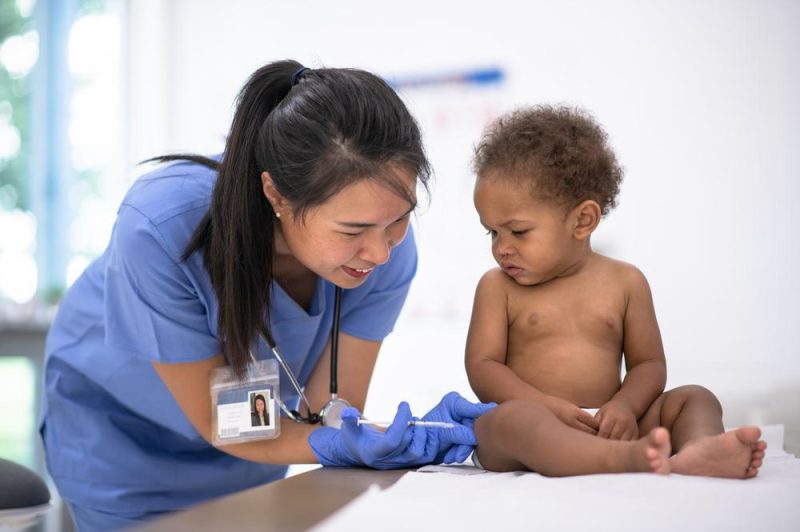
One of the best ways to protect your children from measles is to vaccinate. The first dose is typically given at 12 months of age.
Common myths about the measles vaccine
One persistent myth is that natural infection is safer than vaccination.
The claim that the vaccine is worse than natural infection isn’t true. It is very safe and very effective.
Although vaccine side effects can occur, they are rare and typically mild when compared to the risks of measles itself.
Another common concern is autism, but numerous studies conducted across the world show the MMR vaccine (measles, mumps, rubella) doesn’t cause autism.
What parents can do now
If you have questions about measles, vaccines or your child’s risk, talk with your child’s pediatrician. They can help you understand the recommended vaccine schedule and make the best decision for your family.
Akron Children’s Healthy Info, Healthy Kids campaign is committed to giving parents reliable, evidence-based information to help keep children healthy and safe. Learn more about childhood vaccinations, measles prevention and other health topics.