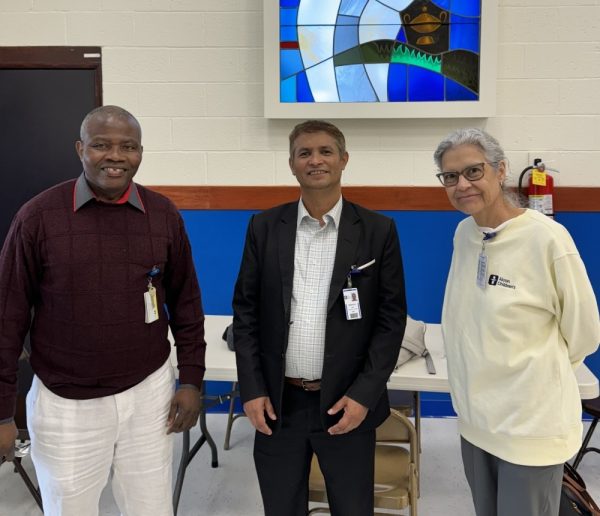
Interpreters Luwela Esube, Madhulal Nepal and Ximena Siques at a Locust Pediatrics flu clinic in 2024.
Every day at Akron Children’s, our medical interpreters ensure that families can understand their child’s diagnosis, ask questions and make informed decisions. In celebration of International Translation Day on Sept. 30, we asked a few of our language access professionals to share their personal stories and explain how they provide compassionate care through clarity, connection and empathy.
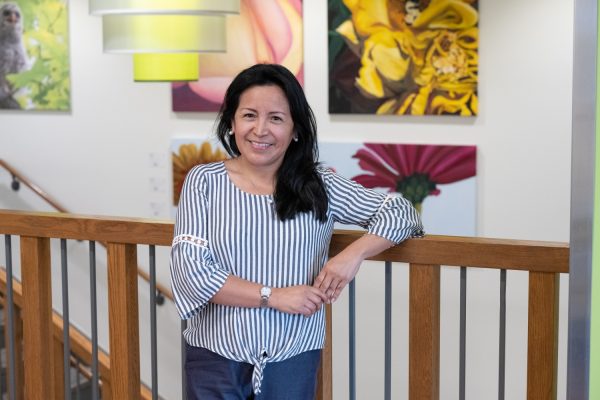
Lucy Miller
Lucy Miller, Spanish Interpreter
What inspired you to become a medical interpreter?
When I moved to the United States in 2011, I worked for Akron Children’s Pediatrics in Streetsboro and met Roula Braidy. She told me all about interpreting. Speaking in my own language to our Spanish-speaking patients and helping them understand their child’s medical situation makes me love my job.
Can you share a moment when your work made a real difference?
During an appointment in Gastroenterology, a mother mentioned that her child had a fever the night before and was coughing. The child was scheduled for heart surgery in a few weeks. If we used an iPad for this appointment, the mother would have never shared this information. The provider was able to talk to the heart doctor, and the child was sent to the ER and on to the main campus for further evaluation.
What is something people might not realize about the role of interpreters?
Beyond interpreting and being the bridge between patients and providers, we also understand a patient’s culture, beliefs and behaviors. We can provide emotional support for the family, too.
How do you connect with children and families who may be scared or shy?
I assure the family that I am here to help and everything that is said will be interpreted. I also talk to the child in a calm voice and remain neutral.
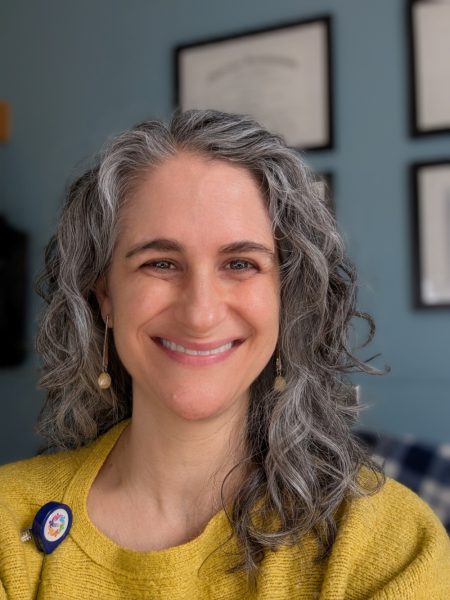
Emily Lanier
Emily Lanier, Spanish Interpreter
What inspired you to become a medical interpreter?
While working on my Master of Arts degree in translation, I took a medical interpreting class. My professor arranged summer work at a migrant health clinic. He realized that I understood medical interpreting to be a service profession. I fell in love with medical interpreting’s collaborative environment where I can use my language, research and soft skills, and I am constantly learning.
Can you share a moment when your work made a real difference?
I try hard to be fully present for every encounter, and I think that makes a difference. I have interpreted for many difficult moments, from delivering news about a diagnosis to the passing of a child. Providing families with accurate interpretation, and in an empathetic way, always makes a difference.
What is something people might not realize about the role of interpreters?
We are professionals, often with a good deal of education, credentials and experience. We also interpret in first person, which can be emotionally difficult in very challenging situations.
How do you connect with children and families who may be scared or shy?
I find that being mindfully aware is helpful. The more grounded I am, the more the patient and family can feel comfortable and safe. When I’m mindfully aware, I can adjust and determine if playfulness or calm or something else might be a useful means of connection.
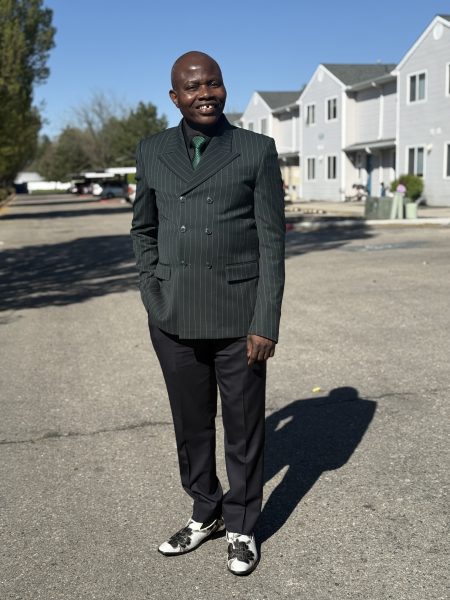
Luwela Esube
Luwela Esube, Community Health Worker and Swahili Interpreter
What inspired you to become a medical interpreter?
It is important for everyone to get the health care they deserve. Many families, especially those for whom English is a second language, face challenges due to language deficiency. In service to my community, I want to make sure they get all the health information related to their condition, including status, prescriptions, technical words and social resources. It is this fact that pushed me to become an interpreter, so that I can stand with them for better health.
Can you share a moment when your work made a real difference?
There was a child from Côte d’Ivoire who needed to undergo surgery. His dad was in Africa, and the physician arranged a videoconference that allowed me to interpret through video. The dad appreciated my service and told the doctor how important it was for him to participate in the decision-making for his child’s health.
What is something people might not realize about the role of interpreters?
Communication is the major tool in making health services run smoothly between the providers and families. The patient or family has the right to participate in decision-making regarding their health. If they cannot speak the provider’s language, this becomes difficult and results in the deprivation of a basic right. The role of the interpreter is of capital importance.
How do you connect with children and families who may be scared or shy during medical visits?
I connect by telling them why I am there and what my role is. I reassure them about confidentiality and explain where their conversation will be directed to build confidence.
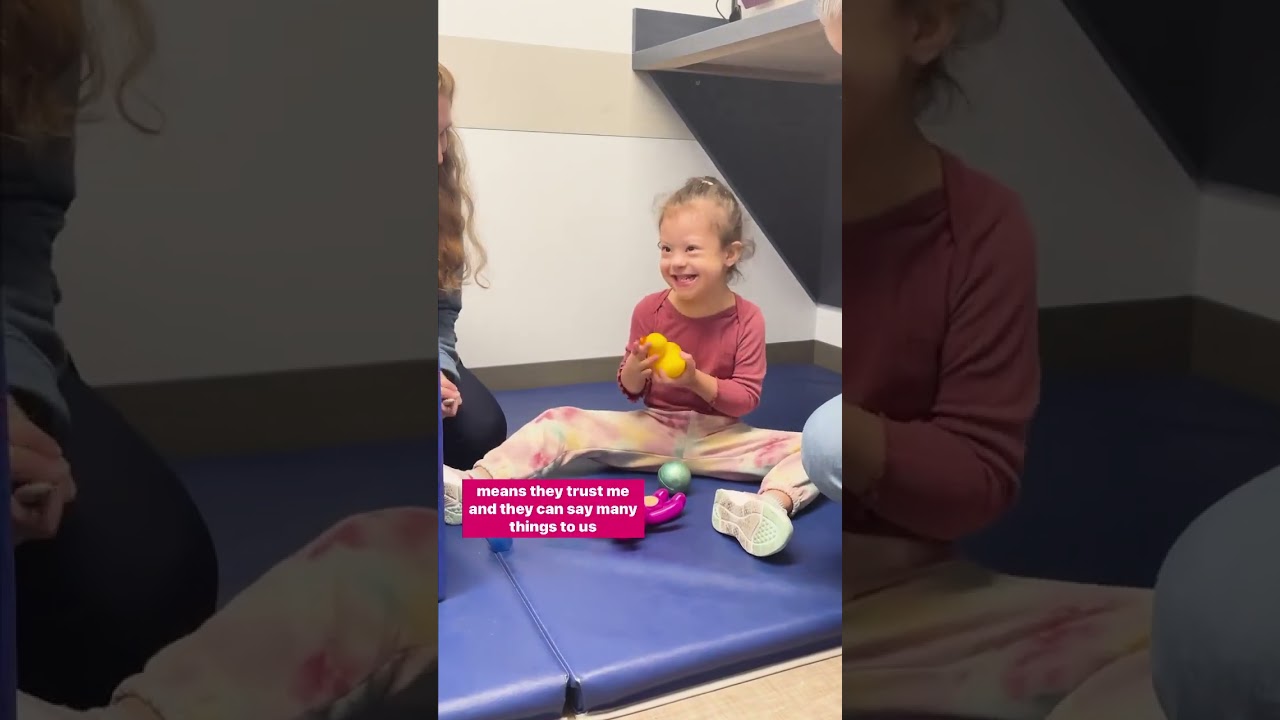
As a native Spanish speaker, Lucy connects with Spanish-speaking families to help them navigate their appointments at Akron Children’s.
Akron Children’s offers language access services 24 hours a day at no charge to patients and families with limited English proficiency (LEP) or who are deaf, hard of hearing, blind or visually impaired.