
Common causes of stomach pain in kids include constipation, gas, viral infections and dietary factors – like eating too much or too quickly, or eating foods that don’t agree with them.
Few things get a parent’s attention faster than hearing, “My stomach hurts.” Stomachaches are a common complaint in kids. While they can sometimes signal an illness that needs medical attention, most childhood stomachaches aren’t caused by anything serious.
How can parents tell the difference?
According to Akron Children’s pediatric gastroenterologist Dr. Shivani Gupta, common causes of stomach pain in kids include constipation, gas, viral infections and dietary factors. Eating too much or too quickly, or eating foods that don’t agree with them, can also lead to discomfort.
Another cause is functional abdominal pain.
“The gut can be particularly sensitive even though there isn’t a structural problem that we can see,” Dr. Gupta explained. “Stress, anxiety and changes in routine can also affect the way the brain and gut communicate, causing very real physical pain.”
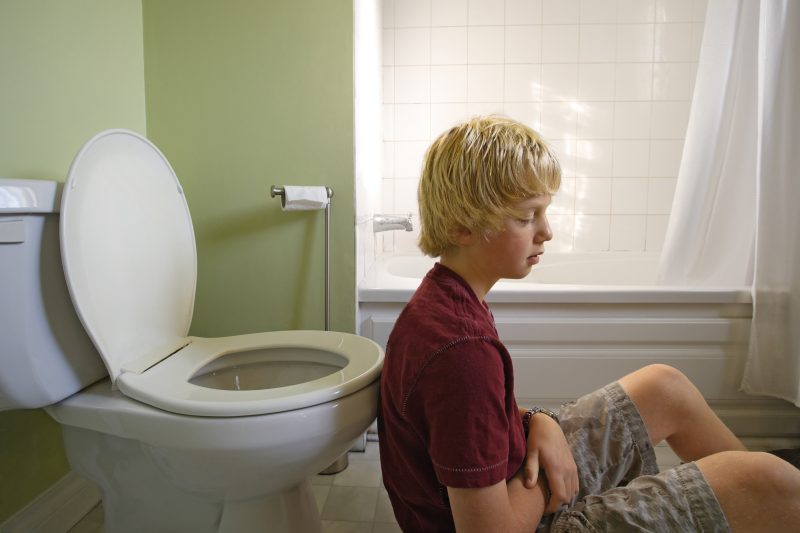
A stomach bug, or viral gastroenteritis, is common in children. It often starts suddenly with abdominal cramping followed by vomiting, diarrhea or both.
When is a stomachache usually not serious?
If your child is acting normally, drinking and peeing as usual, those are all reassuring signs.
“A child who says, ‘My stomach hurts,’ but is then happily playing five minutes later is different from a child who is doubled over, can’t walk comfortably or is progressively getting worse,” said Dr. Gupta.
Gas pain, for example, often comes and goes and may improve after passing gas or having a bowel movement.
Don’t overlook constipation
Constipation is one of the most common causes of stomach pain in children, and it can cause surprisingly significant discomfort.
Signs of constipation can include hard or very large stools, painful bowel movements, straining, avoiding the toilet, bloating, decreased appetite or stomach pain that improves after pooping. Some children may have frequent small bowel movements or stool leakage when softer stool passes around stool that is stuck.
If constipation is persistent or the pain is significant, it’s worth talking with your child’s pediatrician rather than assuming it will go away on its own.

Dr. Shivani Gupta
Could it be a stomach bug?
A stomach bug, or viral gastroenteritis, is common in children. It often starts suddenly with abdominal cramping followed by vomiting, diarrhea or both. Fever may occur as well.
“The most important issue usually isn’t the diarrhea itself, but dehydration,” Dr. Gupta said. “Parents should watch whether their child is drinking, urinating and remaining reasonably alert.”
Most viral stomach illnesses improve over several days. Call your child’s doctor if vomiting continues, your child can’t keep fluids down or they show signs of dehydration. Severe or worsening pain, bloody stool or unusual sleepiness also should be checked by a doctor.
Can food cause recurring stomach pain?
Food can play a role in repeated stomachaches. Some children experience symptoms related to lactose intolerance, including bloating, gas, cramping and diarrhea after consuming larger amounts of dairy.
Food allergies can also cause digestive symptoms, but a true food allergy is different from an intolerance or sensitivity. Allergic reactions can involve symptoms beyond the digestive system, such as hives, swelling, wheezing or vomiting.
If your child repeatedly develops symptoms after eating a particular food, consider keeping a simple food-and-symptom diary and sharing it with their pediatrician.
“I generally don’t recommend eliminating multiple foods from a child’s diet without guidance,” Dr. Gupta said. “Unnecessary restriction can make it harder for children to get the nutrition they need.”

If a child has severe or rapidly worsening stomach pain, significant pain in one specific area, especially the lower right abdomen, or pain that makes it difficult to walk or move normally, seek medical attention.
Stress can cause stomachaches
It’s not uncommon for children to develop stomachaches around stressful events, such as school, tests, sports or changes at home.
“The pain is real,” Dr. Gupta emphasized. “The brain and digestive system are closely connected.”
Stress and anxiety can affect how the stomach and intestines work. They can also make the brain more sensitive to what’s happening in the digestive system, which can cause real stomach pain. This does not mean the pain is “all in their head” or that a child is making it up.
But parents shouldn’t automatically assume recurring stomach pain is caused by anxiety. It’s still important to look for other medical causes, especially when other concerning symptoms are present.
When should parents call the doctor?
If a child has severe or rapidly worsening stomach pain, significant pain in one specific area, especially the lower right abdomen, or pain that makes it difficult to walk or move normally, seek medical attention.
Other warning signs include repeated vomiting, especially if the vomit is green; blood in vomit or poop; black, tarry poop; a swollen belly; or signs of dehydration.
Parents should also call if their child has a high fever with bad stomach pain, loses weight without a clear reason, is not growing as expected, has ongoing or bloody diarrhea, or has pain that repeatedly wakes them from sleep.
What parents should remember
Most childhood stomach pain is temporary and goes away without anything serious happening. What matters most is the overall pattern. Pay attention to how your child is acting, eating, drinking and using the bathroom, as well as whether they are growing normally. Notice whether the pain is getting better, staying the same or getting worse.
Trust your instincts because you know your child best. If the pain seems different from their usual stomachaches, doesn’t go away or you feel that something isn’t right, call your pediatrician.
Not sure what’s causing your child’s stomachache? Akron Children’s experts can help you find answers.