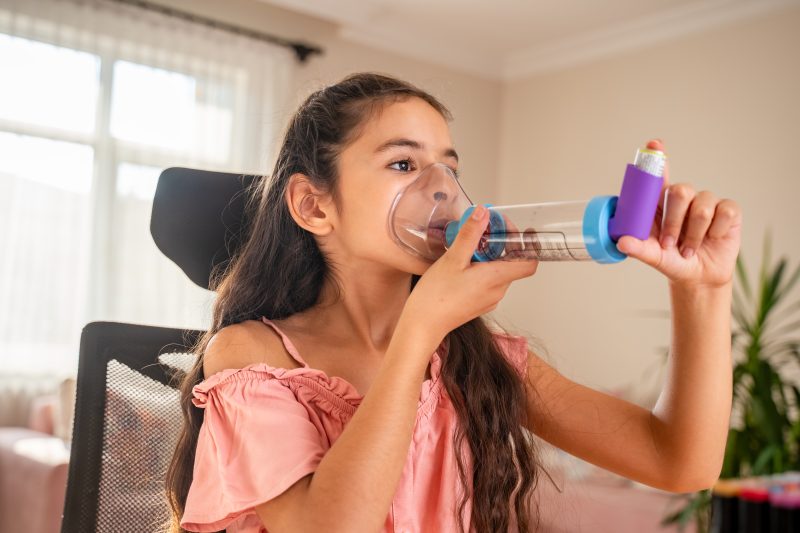
Education and awareness help keep kids ahead of asthma symptoms.
According to the American Lung Association, asthma is the most common chronic condition in children. It affects nearly 5.5 million kids in the United States. If your child is part of this group, Dr. Lisa Sammon, a pediatric allergist/immunologist at Akron Children’s, says the best way to manage asthma and reduce severe complications is preparedness.
“Knowledge is key to controlling one’s asthma, including knowing your child’s triggers to prevent and/or limit asthma attacks and having strong awareness of one’s medication or action plan to treat symptoms early. Education and awareness help keep kids ahead of asthma symptoms,” said Dr. Sammon. “Our asthma action plans are designed to help parents understand what to do in the event of worsening symptoms. We review the plan at each visit to ensure parents are comfortable with each step.”

Dr. Lisa Sammon
Asthma action plans
Asthma action plans list actions to take based on a child’s specific needs. They are typically color coded to ensure anyone understands what to do based on how a child is feeling:
- Green – a child is breathing comfortably and may or may not require daily controller medications to maintain asthma control.
- Yellow – symptoms such as cough, wheezing or encountering a known trigger occur, so additional medication or attention should be taken.
- Red – a child is breathing hard/fast and needs immediate medical attention.
The asthma action plan will include details about how much medicine to take, when/how often to take it and what to do if symptoms are not improving or getting worse. The plan should be accessible to all caregivers. Keep a copy at home, at school and with anyone who cares for your child. Explain the plan to others, so they’re comfortable following it.
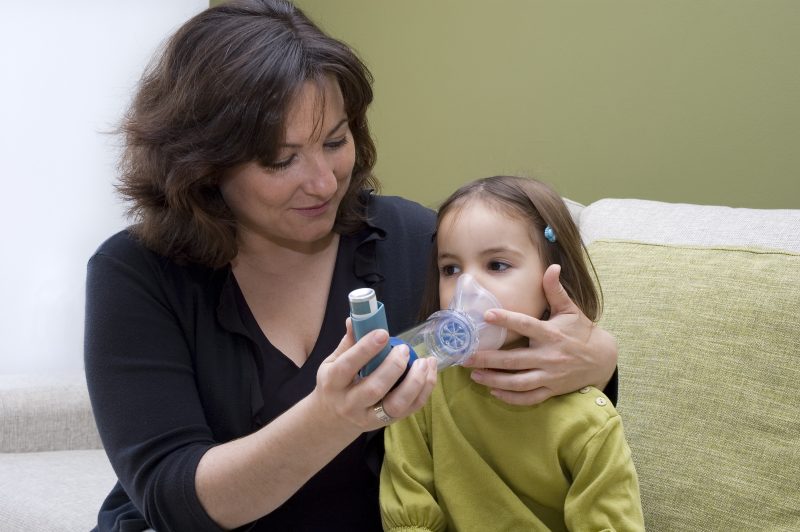
Ask about any changes, medication tips or guidance in avoiding asthma triggers at your child’s next checkup.
Contacting your provider
Dr. Sammon suggests parents monitor asthma symptoms and reach out to their clinician if symptoms are not responding to their current asthma medications. Schedule routine follow-ups to discuss symptoms and make necessary adjustments to the plan. Items to discuss at checkups may include:
Changes
Keep a journal of the time, place and trigger that may have caused a reaction or asthma flare-up. Allergies and triggers can change over time, so ongoing self-monitoring is important in helping a provider adjust a treatment plan.
Medication type and use
Make sure you have, and are using, the right medications to treat your child’s symptoms. Inhalers remain the best way to use asthma medications, but using an inhaler can be complicated. Ask a provider to demonstrate how to use one.
Avoidance and prevention
Ask for guidance to help your child understand asthma triggers and how to avoid them. For kids who are eligible for flu COVID-19 shots, vaccines can help prevent severe infection and complications from viruses.
The best defense for asthma sufferers is being prepared early and attending regular follow-up visits with their clinician team to keep asthma under control.
To learn more about asthma action plans, schedule an appointment with the Center for Allergy and Immunology by calling 330-543-2778 or using MyChart. Established patients should make sure to schedule appointments with their original allergist.