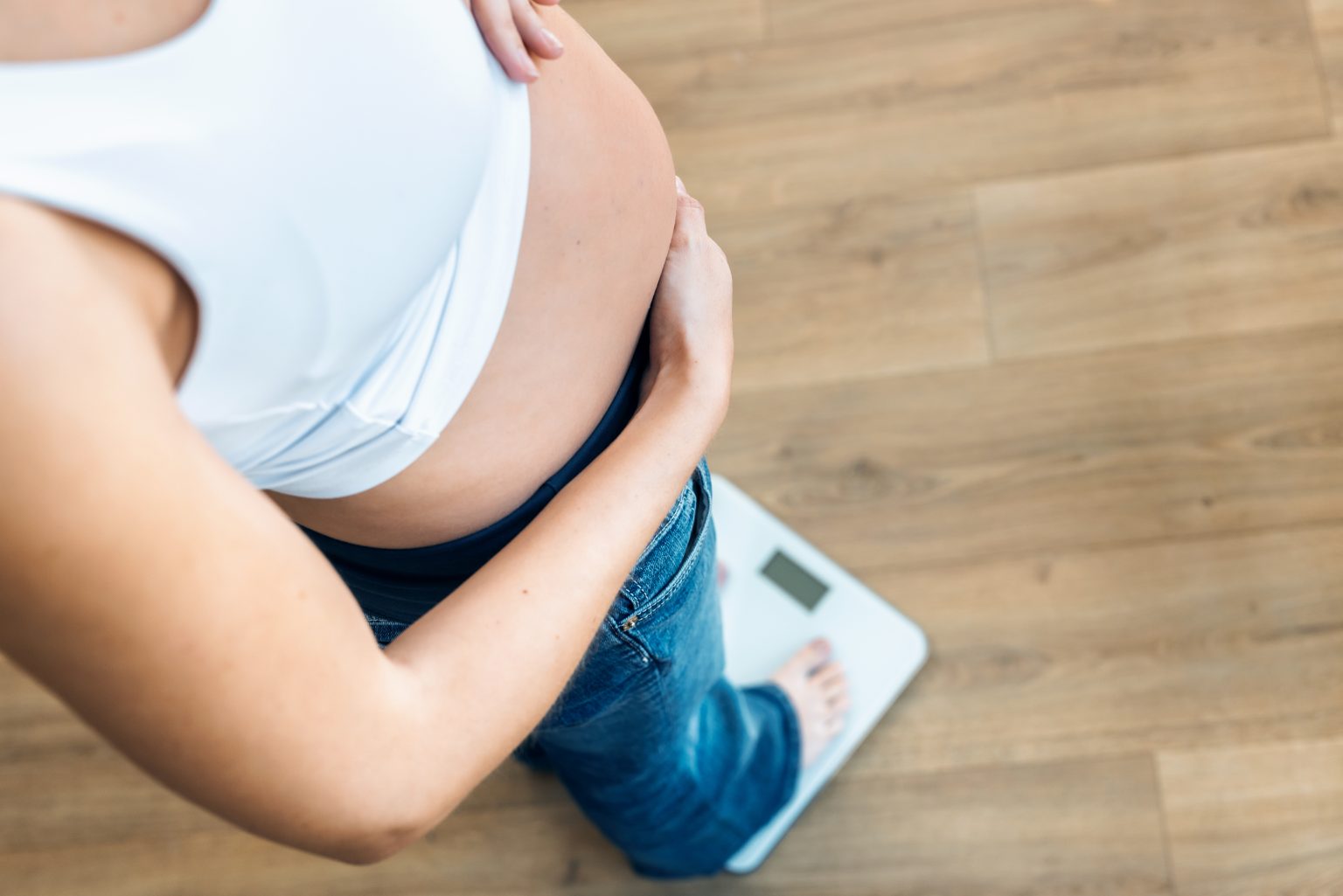
When you’re pregnant, the goal is to gain enough weight to support your baby’s healthy growth and development. Gaining too much weight, or not enough, can have risks.
Gaining weight is a normal – and healthy – part of pregnancy. As your baby grows, so do your uterus, breasts and even the amount of blood circulating in your body to support baby’s development.
But you’re probably wondering: How much weight should I gain during pregnancy?
The answer isn’t the same for everyone. A healthy amount of pregnancy weight gain depends on your weight before pregnancy, whether you’re carrying one baby or multiples and how your pregnancy is progressing.
“The goal is to gain enough weight to support your baby’s healthy growth and development,” said Dr. Michael Krew, a maternal-fetal medicine specialist at Akron Children’s. “But it’s also about managing healthy weight gain to protect both you and your baby’s health. Gaining too much – or too little – can have risks.”
Why pregnancy weight gain matters
Your body goes through incredible changes during pregnancy. Weight gain is not only expected, it’s essential. Those extra pounds provide the nutrients and support your baby needs to grow and develop, while also helping your body prepare for labor, delivery and breastfeeding.
The weight you gain isn’t just your baby (about 8 pounds). By the end of pregnancy, it also includes:
A larger uterus (about 2 pounds).
The placenta (about 2 pounds).
Amniotic fluid (about 2 pounds).
Increased blood volume and other fluids (about 5 to 7 pounds).
Larger breasts (about 1 to 3 pounds).
Fat stores to support pregnancy and breastfeeding (about 6 to 8 pounds).
Altogether, these changes add up to about 32 pounds.
Gaining too little weight can increase the risk of your baby being born too small or too early. Your baby may not get all the nutrients needed for healthy growth and development.
On the other hand, gaining too much can raise your risk of pregnancy complications like gestational diabetes or preeclampsia. “It may also make labor and delivery more difficult if your baby grows larger than expected and can make it harder to return to your pre-pregnancy weight after delivery,” said Dr. Krew.
How much weight should I gain during pregnancy?
While weight gain is an important part of pregnancy, it’s best to make sure those gains fall in a healthy range.
For most women, the recommended weight gain is about 25 to 35 pounds. However, the right amount of weight gain in pregnancy depends on your prepregnancy body mass index (BMI), which is based on your height and weight. Your doctor will recommend a healthy weight gain goal that’s right for you based on your BMI, overall health and your baby’s growth.
General pregnancy weight gain guidelines include:
Underweight (BMI less than 18.5): 28 to 40 pounds.
Healthy weight (BMI 18.5 to 24.9): 25 to 35 pounds.
If you’re expecting twins or more, your doctor will recommend a higher weight gain goal. In most cases, women carrying twins who become pregnant at a healthy weight should gain about 37 to 54 pounds.
But remember, these are guidelines – not strict rules. Every pregnancy is different.
When does pregnancy weight gain happen?
Pregnancy weight gain shouldn’t happen all at once.
“Many women gain little or no weight during the first trimester, especially if morning sickness makes eating difficult,” said Dr. Krew. “Most pregnancy weight gain happens during the second and third trimesters, when your baby grows more quickly.”
During the first trimester, many women only gain about 2 to 4 pounds. After that, it’s recommended women gain about 0.5 to 1 pound per week during the second and third trimesters, depending on their pre-pregnancy BMI.
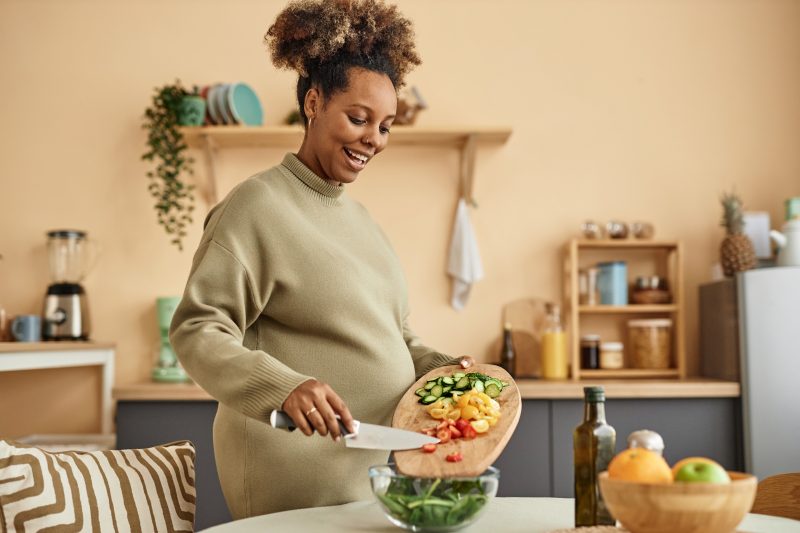
Your baby eats what you eat, so fill your plate with healthy foods like fruits and veggies.
Tips to support healthy weight gain in pregnancy
Pregnancy isn’t the time to “eat for two.” While you do need extra calories, you don’t need to double your food intake.
“An extra 300 calories a day might be enough to help you gain 1 pound a week during the second and third trimesters,” said Dr. Krew. “You can get these extra calories from about half a sandwich and a glass of skim milk.”
Pregnancy also isn’t the time to diet. Instead of focusing on quantity of food, focus on quality. Choose nutrient-rich foods that support you and your growing baby. Remember, your baby eats what you eat.
To support healthy weight gain in pregnancy, try to:
Fill your plate with fruits and vegetables.
Choose whole grains like oatmeal, brown rice and whole wheat bread and pasta.
Eat lean proteins such as chicken, fish, eggs, beans and tofu.
Include low-fat dairy like skim milk, cheese and yogurt.
Drink plenty of water throughout the day.
Limit sugary drinks, sweets and highly processed snacks.
“Think about nourishing your baby, not just eating more,” said Dr. Krew. “Small, healthy choices each day can make a big difference throughout pregnancy – and can make it easier to lose the extra weight after giving birth.”
In addition, staying active also can help you maintain healthy weight gain in pregnancy. If your doctor gives you the green light, aim to get about 30 minutes of moderate-intensity exercise like walking, swimming or prenatal yoga on most days of the week.
Why prenatal visits are so important
Your doctor will track your weight at each prenatal visit to make sure you and your baby are on a healthy path. Your doctor may suggest ways to boost calories or cut back as needed to keep your weight gain on target.
Attending all your prenatal exams is the best way to monitor your weight, adjust your eating and exercise plans, and keep an eye out for potential complications so they can be addressed as early as possible.
Every pregnancy is unique, and so is every woman’s weight gain journey.
“The healthiest pregnancy isn’t about hitting a certain number on the scale,” said Dr. Krew. “It’s about giving your body and your baby the nutrition and care they need for a healthy delivery and future.”
Inside Children’s is an online community that provides inspirational patient and staff stories as well as information about health and parenting, hospital news, fundraising events and more.