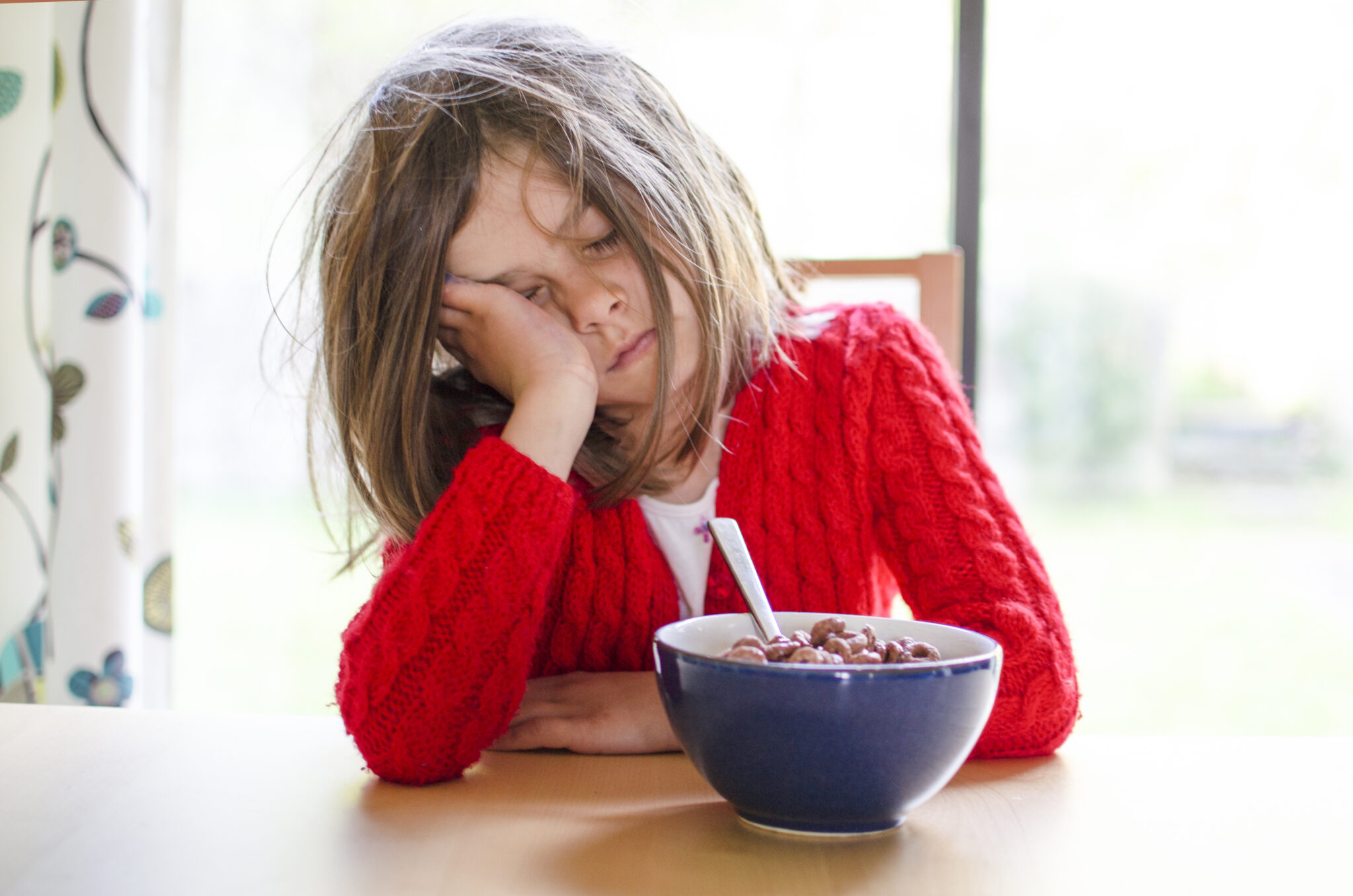
Kids like predictability, so follow the same bedtime routine every night. Staying up an hour or so later on the weekend is OK, but anything more will make it hard for your child to get back into the routine on Sunday night.
It’s natural for parents to let their kids’ sleep habits slide in the summer. But with the start of the school year upon us, you may be wondering how to get your kids back on a consistent and restful schedule.
Kacey Greening, Akron Children’s pediatric psychologist and behavioral sleep medicine specialist, offers 10 tips to beat the back-to-school bedtime blues.
1. Start with your own sleep schedule.
“Kids copy what their parents do,” she said. “If kids see their parents winding down for the night, it’ll be easier for your children to do the same.”
2. Ease your kids back into their regular bedtimes.
At least a week or two before school, start easing your kids back into their bedtime using 15-minute increments. Have your kids go to bed 15 minutes earlier each night until they’re back to the desired bedtime. The number of days you need depends on how many minutes they’re off from their bedtimes during the school year.
3. Come up with a schedule that fits your family.
Perhaps you need to have dinner earlier or adjust their screen time. Small adjustments can help your child ease into the bedtime routine and go to bed at a consistent time every night. Set realistic and achievable goals, taking into consideration any after-school or work activities that could interfere with bedtime.
4. Cut the caffeine.
The effects of caffeine in soda, iced tea, and energy drinks can last for several hours after consumption and interfere with your child’s sleep quantity and quality. “Caffeine should be kept to a minimum or not consumed at all by kids, especially not after lunch,” Dr. Greening recommended. “Check the labels because some brands of soft drinks, such as orange soda and root beer, contain caffeine. Chocolate and chocolate milk are less of a problem, but they can still affect sleep. Water or plain, low-fat milk are usually the best choices.”

Power down the electronics about two hours before bedtime. The artificial light from devices disrupts our natural sleep hormone and can make it harder to fall asleep at night.
5. Go screenless before bed.
The artificial light from TVs, tablets, smartphones, video games, and other electronic devices disrupts melatonin, our natural sleep hormone, while the content of the media engages the brain and makes kids more alert. This double-whammy makes it doubly hard for your child to fall asleep. Start powering down electronics an hour or more before bed. Read a book to your child in low light or allow your child to read before bed. Be sure to set limits on the number of stories and amount of time spent reading.
6. Don’t send your child to bed hungry.
A small, healthy snack – such as fruit, string cheese or a bowl of whole-grain cereal – is OK at bedtime. Avoid chocolate and sugar.
7. Follow a consistent, calming bedtime routine.
A warm bath or listening to soothing music can be effective in helping your kids settle down and unwind at night. Kids like predictability, so follow the same bedtime routine every night. “You can let your child stay up an extra hour or so on the weekend, if necessary,” Dr. Greening said. “But anything more than that will make it hard for your child to get back into the routine on Sunday night.”
8. Create a comfortable sleep environment.
If your child goes to bed while it’s still light outside, room-darkening blinds can help. A fan or white noise machine can drown out sounds from traffic, creaky floorboards, or barking dogs. Keeping the room temperature cool but comfortable will also help promote sleep.
9. Avoid late-afternoon naps.
Although your kids might be tired from a play date or a day of fun in the sun, avoid letting them nap. Short naps less than 20 minutes may be OK in some cases if they don’t cause delays/disruptions to bedtime. Any longer, and it will probably be difficult for your child to fall asleep at bedtime.
10. Let your kids fall asleep on their own.
At the end of the bedtime routine, tuck in your kids, kiss them goodnight, and leave the room. “If you lie down with your kids in bed or rub their arms or stroke their hair until they fall asleep,” Dr. Greening said, “they may have trouble falling asleep without you.”
If your child is struggling to stick to a consistent sleep routine, talk to their pediatrician or School Health provider for advice.