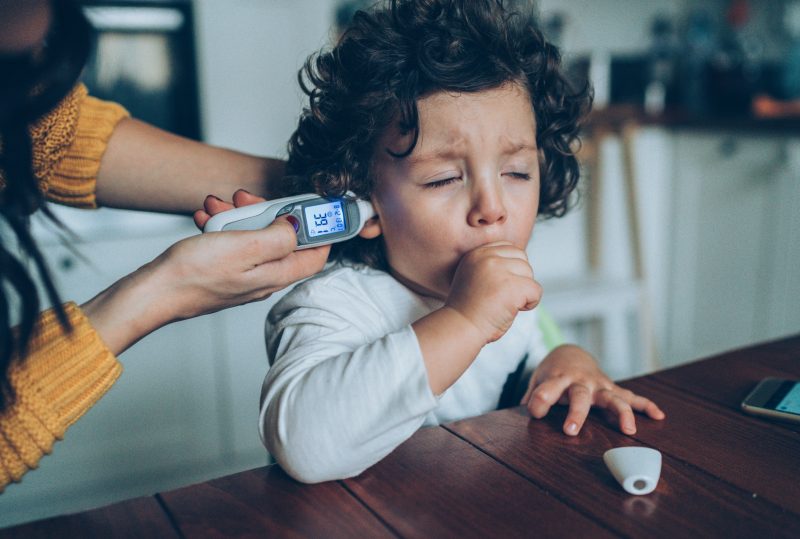
Common croup symptoms include a runny, stuffy nose; a harsh, barking cough; and fever.
You’ve probably heard of croup. It causes the telltale “barking” cough that mimics that of a seal and a high-pitched, squeaky noise when kids breathe. But if your child has ever come down with croup, which causes inflammation in the upper airways, it can be a scary experience.
Dr. Therese Linnon, a pediatrician at Akron Children’s Pediatrics in Warren, answers your common questions about croup.
What is croup?
Croup is a contagious virus that spreads through respiratory droplets. A child may have cold symptoms at first. But as the upper airways along the windpipe and voice box become irritated and swollen, a child may become hoarse and have a barking cough. If the airways continue to swell, breathing can get harder.
What are common croup symptoms?
Symptoms are most severe in children 6 months to 3 years because their airways are smaller. But older kids can be affected, too. Symptoms of croup are often worse at night and when children are upset or crying.
Typical croup symptoms include:
- A runny, stuffy nose
- A harsh, barking cough
- Hoarseness or loss of voice
- Fever
- High-pitched whistling or squeaking sound when breathing in (called “stridor”)
How is croup diagnosed?
Doctors can usually diagnose croup by listening for the telltale barking cough or stridor, as well as asking if the child has had any recent respiratory illness with a fever, runny nose and congestion.
When should I call the pediatrician versus take my child to urgent care or the emergency room (ER)?
It depends on how severely their breathing is affected. If your child is having trouble catching their breath or struggling to breathe, I would have them seen in the ER. If their respirations are otherwise pretty normal, I would advise being seen in the pediatrician office.
How is croup treated?
Most cases of viral croup are mild and can be treated at home with little to no complications. At-home care could include the following:
- Use a cool-mist humidifier or run a hot shower to create a steam-filled bathroom to sit with your child for 10 minutes. If it’s cool outside, take your child outside for a few minutes to breathe the brisk air. Breathing moist air helps most kids feel better and sometimes stops the severe coughing.
- Ibuprofen or acetaminophen – only in children over 6 months old – can make kids more comfortable.
- Make sure they get ample rest and drink plenty of fluids.
How would a pediatrician treat croup if it’s more than a mild case?
If it is more than a mild case, the pediatrician might consider steroids to help with inflammation. This can be done in the office.
In rare cases, croup can be severe and even life threatening. Get medical attention right away if your child has trouble breathing, difficulty swallowing, extreme tiredness, or a pale or bluish color around their mouth.
How long will my child’s croup symptoms last?
Just like any other virus, croup typically lasts 7-10 days with the worst symptoms in the first three days.
When is it safe for them to return to school or daycare?
Because croup viruses are highly contagious, they spread easily in environments like daycare centers, schools and healthcare facilities. It is safe to return when your child has gone 24 hours without fever.
Can I prevent my child from getting croup?
The same methods you use to reduce your child’s risk of getting the common cold will go a long way in preventing croup. Make sure you and your child wash your hands frequently – and avoid contact with people who have respiratory infections. It’s also a good idea to stop your child from sharing cups and silverware with others.

Croup symptoms are often worse at night and when kids are upset or crying.
Is recurrent croup common?
Recurrent croup can occur, but that usually suggests there is an underlying problem that should be evaluated by a pediatrician. I would recommend that the patient be seen to at least make sure this isn’t an issue.
Do allergies and/or weather changes impact occurrences of croup?
Allergies do not play into croup because it is a viral illness, but weather changes can have an effect. Croup is caused by parainfluenza. There are a few strains, each with their own peak season:
- HPIV-1: Causes significant autumn outbreaks (September-December) and tends to peak every other year.
- HPIV-2: Also causes fall outbreaks (usually October-November) and circulates annually.
- HPIV-3: Primarily peaks in the spring and early summer (April-June).
- HPIV-4: Less common overall, causing milder respiratory illnesses, but predominantly circulates in the fall and winter.
While distinct seasonal peaks exist, HPIV infections are year-round. This means your child can be exposed to multiple variants even outside of their peak months.
For more information on croup, contact one of our pediatricians.