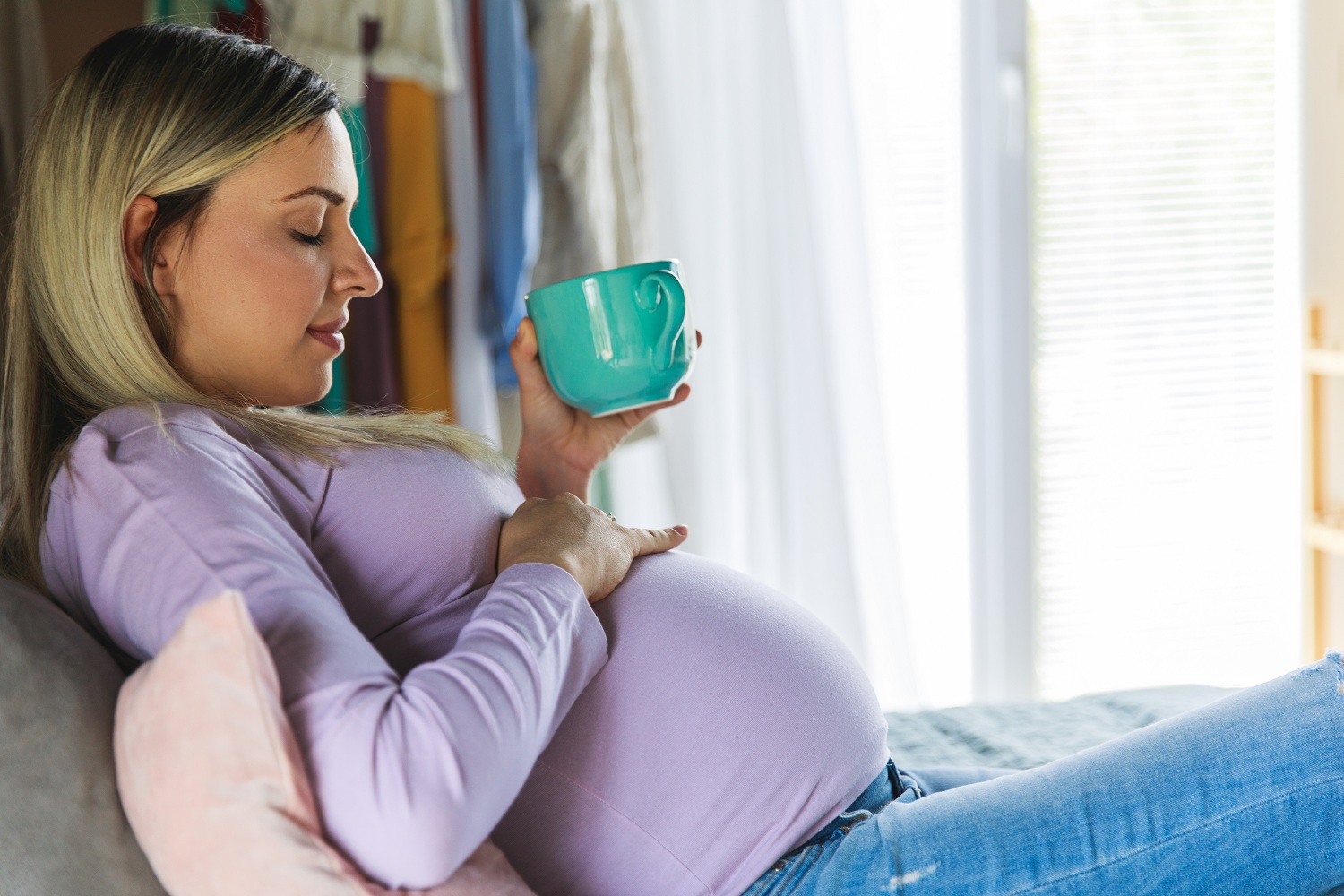
The American College of Obstetricians and Gynecologists recommends 200 milligrams or less of daily caffeine intake, about one 12-ounce cup of coffee.
A cup of coffee, or two, may be part of your daily routine. But now that you’re pregnant, should you avoid caffeine? Dr. Jacqueline Cornell, OB-GYN with Akron Children’s Maternal-Fetal Medicine, answers common questions about pregnancy and caffeine.
Does caffeine directly affect a baby? If so, how?
Yes, caffeine crosses the placenta and affects the baby. Since there is slower metabolism of caffeine during pregnancy, the level of caffeine can build up. High levels of caffeine have been shown to cause lower birth weight and a higher risk of pregnancy loss.
This appears to be dose dependent. The more caffeine that is consumed, the higher potential for these complications.
Is there any safe level of caffeine during pregnancy, or is the best course of action to refrain completely?
The American College of Obstetricians and Gynecologists (ACOG) recommends consuming less than 200 milligrams of caffeine daily. However, recent reviews suggest there may be no safe amount in pregnancy and that even a small amount can cause a slight reduction in birth weight.
Complete avoidance is the most conservative approach, but drinking less than 200 milligrams daily is acceptable by current guidelines.
We’re talking more than coffee and pop, right?
Caffeine is found in many sources including pop, chocolate, most teas and especially in energy drinks or energy snacks. Please pay close attention to the label and keep caffeine consumption below 200 milligrams daily from all sources.
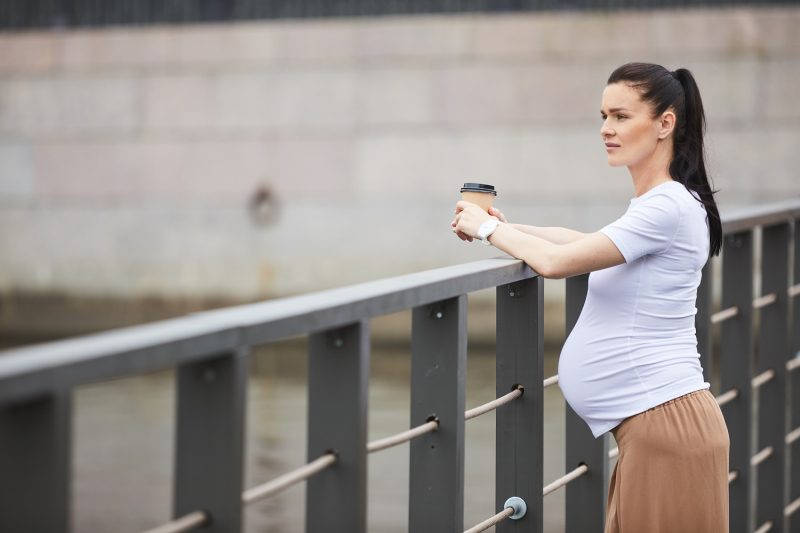
Coffee-shop brews can be much higher in caffeine than coffee you make at home, so be mindful of the difference.
Is there evidence that caffeine affects fertility, and couples trying to conceive should cut back or eliminate?
Very high amounts of caffeine, more than 500 milligrams daily, can decrease fertility in women. Please cut back if you are consuming this much.
What else would you like people to know about caffeine and pregnancy?
Remember that each cup of coffee or an energy drink is not made equally. A 12-ounce coffee-shop coffee has more than double the amount found in a home-brewed cup of coffee. And some energy shots can contain 200 milligrams in a single shot!
Please read the labels and add up caffeine from all sources to stay under the daily limit of 200 milligrams.
Learn about our specialized maternal-fetal medicine care.