Be especially careful from dawn and dusk, when bugs are most active.
Summer is flying by, but there’s still plenty of time for outdoor fun. Just be mindful of bug and tick bites that usually happen during the warmest months of the year. Dr. Niharika Podaralla, pediatrician at Akron Children’s Pediatrics in New Philadelphia, offers these tips to reduce your child’s risk of a bug or tick bites.
Bug bite basics
What is the best way to prevent bug bites?
- Wear protective clothing such as long-sleeved shirts, long pants, socks and closed-toed shoes.
- Be extra careful at dawn and dusk when bugs are most active.
- Avoid sitting directly on the ground outdoors.
- Shake out and inspect clothing that has been on the ground.
- Check your home, bedding and pets for bugs. Call an exterminator if you find bugs in your home.
What are your recommendations for insect repellent use?
- Safe repellent ingredients registered by the U.S. Environmental Protection Agency include DEET, picaridin and PMD that is derived from oil of lemon eucalyptus.
- DEET should only be used on infants 2 months and older. Picaridin and PMD shouldn’t be used on kids under age 3.
- Use bug spray before going outdoors. Apply only to exposed skin and/or clothing, not under clothing. Reapply as directed on the label.
“Be sure to reapply repellents on your children after they swim, wash or sweat heavily,” Dr. Podaralla recommended. “If using sunscreen, apply it and let it dry. Then apply the insect repellent. Do not use a combined insect repellent and sunscreen product because sunscreen reapplication and absorption could lead to excessive DEET exposure.”
What’s the safest way to apply bug spray on kids?
- Kids shouldn’t handle repellents themselves. You or another adult should spray repellent on your hands first and then gently spread on the child’s exposed skin.
- Do not apply to the child’s hands, eyes, mouth, cuts or irritated skin.
- For the face: spray onto your hands first – and then apply to your child’s face. Never spray repellent directly onto your child’s face.
- Apply only a thin film to exposed skin. Heavy saturation is unnecessary and does not improve effectiveness.
- After returning indoors, wash treated skin and clothing with soap and water.
What are some at-home treatments if my child has a bug bite?
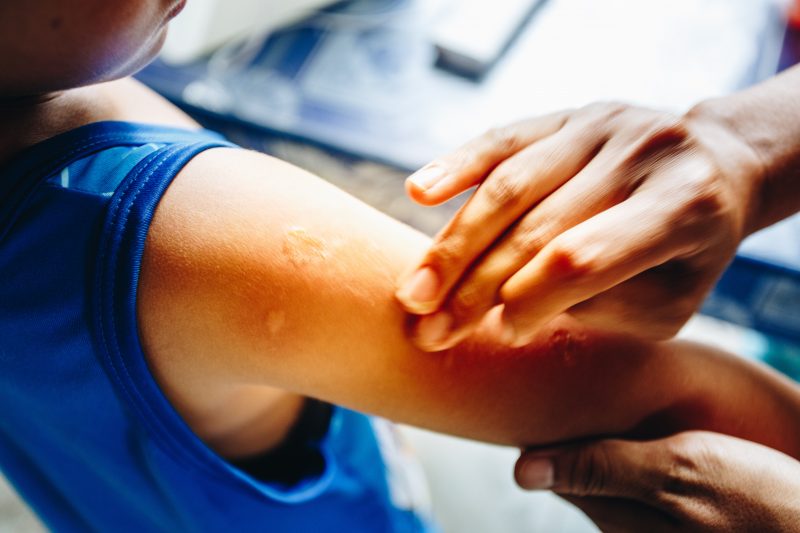
Itching, swelling and pain are very common around a bug bite, and most can be managed at home. For persistent symptoms, use an:
- Ice pack or cold compress on the bite site.
- Over-the-counter (OTC) topical hydrocortisone ointment (1%) for itchy bites.
- Oral antihistamines for kids over age 2.
When should I call the doctor about my child’s bug bite?
- Signs of infection: spreading redness, yellow crusting, pus or warmth at the bite site.
- Worsening redness or swelling over 24-72 hours.
- Increasing pain that does not respond to OTC medicine.
- Fever and chills.
- Swollen glands.
- Hives in areas away from the bite, which may indicate a systemic allergic response.
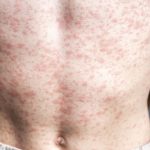
- Spreading rash, blisters or body aches after a bite. This may suggest a vector-borne illness, which is a human illness caused by parasites, viruses and bacteria spread by mosquitoes, ticks and fleas.
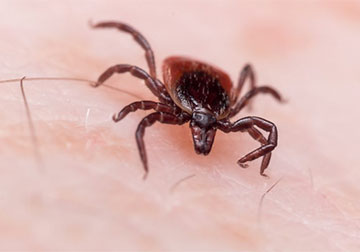
Dress your child in light-colored pants and a long-sleeved shirt, so you can easily spot ticks. Also, check your child’s body from head to toe when they come inside.
Tick talk
How can I prevent tick bites on my child?
Before going outside:
- Wear light-colored clothing with long sleeves and long pants to make crawling ticks easier to spot.
- Tuck pants into socks or footwear to reduce chance of skin contact with ticks near the ground.
- Apply permethrin (0.5%) to clothing and gear (boots, pants, socks) in advance and allow to dry before use. Permethrin kills ticks on contact and is more effective than DEET-treated clothing in field studies. It should never be applied directly to skin.
After outdoor exposure:
- Check your child’s entire body, paying special attention to areas where ticks are visually obscured: armpits, nape of neck, hairline, in and around ears, belly button, groin and behind the knees.
- Bathe or shower within two hours, which significantly reduces the risk of Lyme disease and provides an opportunity for a thorough tick check.
- Dry clothes on high heat for at least 10 minutes to kill ticks; if not possible, wash in hot water. Up to 60 minutes of drying may be needed for a tick species called “non-Ixodes.”
Is it OK if I try to remove my child’s tick, or should we go to the doctor?
- Remove promptly by using clean, fine-tipped tweezers grasped between the tick body and the skin. Pull with steady, upward motion. Do not twist or jerk.
- Do not burn the tick, apply petroleum jelly, nail polish or chemicals. These methods may cause the tick to regurgitate and increase pathogen transmission risk.
- Clean the bite area after tick removal.
What symptoms of tickborne illness should I look for if my child has a tick bite?
Call your child’s doctor if you notice any of the following:
- A red, round or oval rash near the bite that slowly gets bigger over several days. The rash is usually at least 2 inches across.
- It may look like a bullseye or target, but it does not always have that pattern. It can also be solid red.
- It may feel warm but usually does not itch or hurt.
“Not all ticks carry disease, and you can’t tell if a tick is infected by looking at it,” Dr. Podaralla said. “That’s why it is important to watch for symptoms, which can appear anywhere from three days to several weeks after the bite. When in doubt, call your child’s doctor. Early treatment of tick-borne illness is very effective and prevents complications.”
If your child needs care for a bug or tick bite, contact their pediatrician or go to the nearest Akron Children’s Urgent Care.