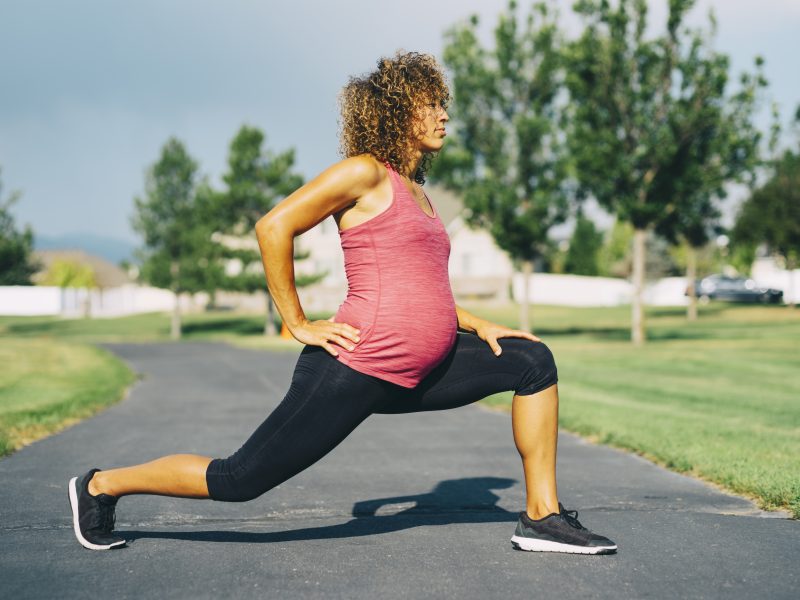
When you’re expecting, one of the best things you can do is keep your body moving — even if it’s the last thing your swollen feet want to do. Exercise is an important part of a healthy pregnancy and offers big benefits for both you and your baby.
“Exercise strengthens your heart and lowers your chances of pregnancy problems,” said Jennifer Hostetler, APRN-CNP, a certified nurse practitioner in Maternal-Fetal Medicine. “It can also boost your mood, improve sleep and prepare your body for labor and delivery.”
With that said, pregnancy isn’t the time to push your limits. The key is choosing safe exercises that support your changing body, so you can feel your best — while anticipating the arrival of your new bundle of joy.
Benefits of exercise during pregnancy
While you may not feel like running a marathon, especially as your pregnancy progresses, even regular, moderate exercise can:
- Boost energy and mood. Exercise releases “feel-good” hormones that can improve your mood and reduce the risk of anxiety and depression.
- Relieve back pain. Strengthening your muscles in your back, butt and thighs can ease strain from a growing belly and improve posture.
- Ease swelling. Improves blood flow and reduces fluid buildup in your feet and ankles.
- Relieve constipation. Keeps things moving in your intestines to prevent constipation.
- Protect your joints. Strengthening muscles around your joints (which become loosened during pregnancy due to hormonal changes) lowers the risk of injury.
- Improve sleep. Tires you out and relieves stress and anxiety to help you rest better at night.
- Promote healthy weight gain. Helps you gain less fat during pregnancy, which can reduce your risk of gestational diabetes and other problems.
- Prepare you for labor. Strong muscles and better endurance can make labor and delivery easier. And gaining control over your breathing can help you manage pain.
- Help you regain your pre-pregnancy body faster. Less weight gain during pregnancy means you’ll gain your pre-pregnancy body back more quickly.
“Research shows exercise may even reduce your risk of gestational diabetes, preeclampsia and cesarean delivery (C-section),” Jennifer said.
In fact, the benefits of exercise during pregnancy are so great, she encourages moms to stay active all the way up to their due dates, as long as they get the OK from their doctor.
Just check in with your doctor first
Always talk to your doctor before continuing your old exercise routine or starting a new one, especially when you’re pregnant. The goal is to maintain your fitness level throughout pregnancy, but you may need to make a few adjustments to keep you and your baby safe.
“If you were very active before pregnancy, you can keep doing similar workouts with your doctor’s approval,” said Jennifer. “But if you’re new to exercise, start out slowly and gradually increase your activity. Walking 30 minutes a day is a good start.”
Safe exercises for pregnancy
Aim to get about 30 minutes of moderate-intensity exercise at least five days a week, plus two or more days of strength training.
“Whatever type of exercise you and your doctor decide on, it’s a good idea to incorporate a combination of cardio, strength and flexibility moves for a balanced workout routine during pregnancy,” said Jennifer.
Pregnancy isn’t the time to chase personal records or try intense new workouts. Instead, here are some go-to safe exercises for pregnancy to try:
Walking
Easy, free and surprisingly effective, walking keeps your heart rate up without putting stress on your joints. Plus, it allows you to vary the pace, add hills and distance.
If you’re just starting, begin with a moderately brisk pace for a mile, three days a week. Add a couple of minutes every week, pick up the pace a bit and eventually add hills to your route. Go slowly for the first 5 minutes to warm up and use the last 5 minutes to cool down.
“If you were a runner before you got pregnant, it’s safe to continue, although you may have to modify your routine,” said Jennifer. “You might find your pre-pregnancy pace is too tough or you can’t run as far without taking a break.”
Swimming and water aerobics
Swimming also can be a very appealing low-impact option because it gives you the welcomed feeling of weightlessness. (In later months, it might be one of the few ways you feel comfortable moving your body.)
“A growing belly can cause a lot of joint pain and pelvic pressure,” Jennifer said. “Swimming can help relieve that because of the buoyancy you get from it, which takes pressure off your joints and spine.”
Stationary bicycling
Stationary biking is a solid cardio option because it’s easy on the joints and comes with a low risk of falling. As your baby grows, it can be easier to lose your balance, especially in the third trimester. So, this is a safer alternative to outdoor biking.
Prenatal yoga and Pilates
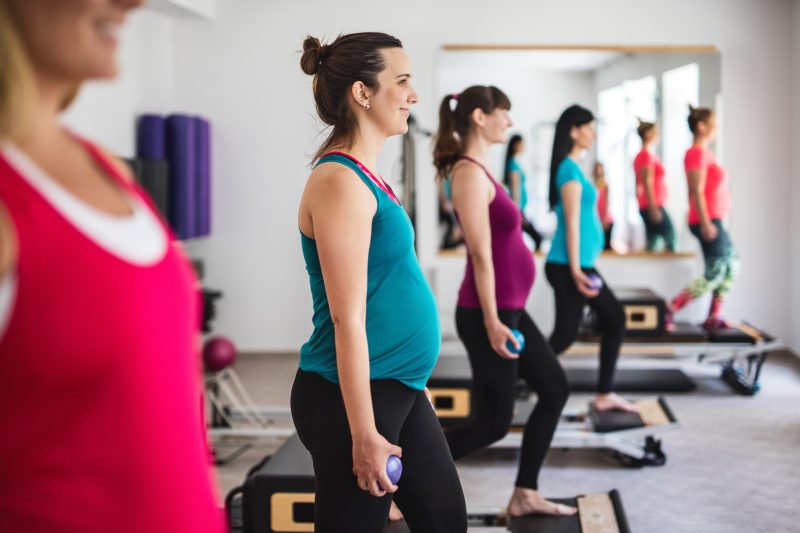
Prenatal yoga focuses on gentle stretching, focused breathing and relaxation techniques. Pilates improves core strength and stability, which can ease tension in your hips and lower back. Both are great options to improve flexibility and reduce stress, while preparing you mentally for labor.
“You may need to modify some poses to avoid lying flat on your back for long periods,” said Jennifer. “And skip the ‘hot yoga or Pilates’ classes. They can cause you to overheat.”
Light strength training
Using light weights or resistance bands can help build muscle and strong bones to support a growing belly. Focus on controlled movements and avoid heavy lifting or straining.
“You might need to decrease the weight you’re lifting, but you can make up for it by increasing your reps,” she said.
Exercises to avoid during pregnancy
It’s best to avoid activities that require you to lie flat on your back, especially after the first trimester.
“The weight of your growing baby can press on the main vein that carries blood back to your heart from your lower body region,” said Jennifer. “If compressed, it can interfere with optimal blood flow to your baby.”
Other exercises to avoid during pregnancy include:
- Contact sports (basketball, soccer, football)
- Activities with a high risk of falling or injury (downhill skiing, horseback riding, scuba diving)
- Movements that involve a lot of jumping, bouncing or sudden direction changes
Signs to stop exercising while pregnant
Your body is changing every day, so pay attention to how you feel. Even if you were fit pre-pregnancy, the changes your body undergoes may force you to modify your routine.
Stop exercising if you notice:
- Dizziness
- Shortness of breath
- Pain
- Trouble talking while moving (a sign you’re pushing too hard)
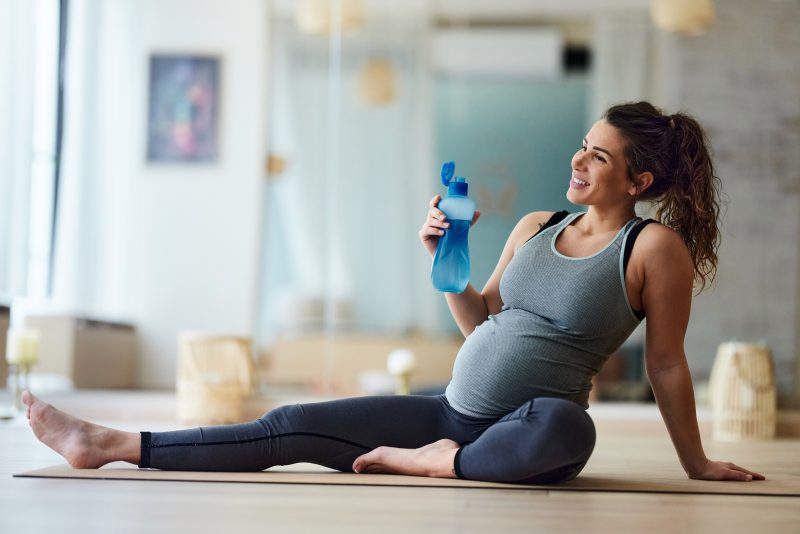
Avoid overheating, and drink plenty of water before, during and after exercise to stay hydrated.
“If you’re pregnant in the summer, avoid exercising outside during the hottest part of the day (from about 10 a.m. to 3 p.m.),” said Jennifer. “Or better yet, exercise in an air-conditioned place.”
Staying active is one of the best things you can do for you and your baby. Just remember: Stay consistent, be gentle with yourself and adjust your routine as needed.
“You don’t need intense workouts to see the benefits,” she said. “Even light to moderate activities can support a healthy pregnancy — and make a big difference in how you feel.”
If you need extra help managing your pregnancy, learn about our Neonatal and Perinatal Medicine services.