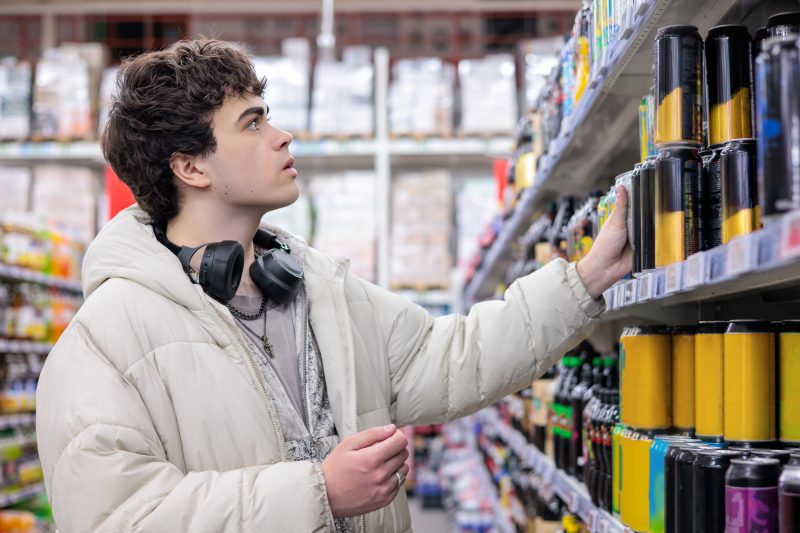
Just because something is sold online or in stores doesn’t automatically mean it’s safe.
You may have heard the term “gas station heroin” and wondered what it means. The name sounds scary, and it’s meant to be.
“‘Gas station heroin’ refers to a growing group of products that look harmless but can affect the brain in powerful ways,” said Dr. Laura Markley, child and adolescent psychiatrist and addiction medicine physician. “They’re often sold at gas stations, convenience stores and online, which makes them easy for teens to access.”
Here’s what parents need to know and what you can do to help keep your child safe.
What is “gas station heroin”?
Some of these products contain tianeptine, an ingredient parents should be aware of.
“Tianeptine is an antidepressant that’s prescribed in some countries, but it’s not approved for medical use in the United States,” Dr. Markley explained. “Even so, you can find it in energy shots and drinks under names like ZaZa, Tianaa and Neptune’s Fix.”
While it isn’t officially classified as an opioid, it can act in similar ways.
“Some users report feelings of euphoria,” she said. “That can lead to repeated use, dependence and even withdrawal symptoms in heavier users.”
Reports of harm are increasing, including cases that require hospitalization.
“In my clinical practice, I’m seeing more teens experimenting with these products without fully understanding what they contain or how potent they can be,” Dr. Markley added.

Dr. Laura Markley
Why teens are especially vulnerable
Beyond tianeptine, there are several other substances commonly available in convenience stores and gas stations. These include delta-8 THC products, high-potency cannabis and nicotine vapes that can also carry risks for teens.
All of these can negatively impact a teen’s developing brain.
“The adolescent brain is still developing – especially the areas responsible for judgment, impulse control and emotional regulation,” said Dr. Markley. “Substances that affect the brain’s reward system can have stronger and longer-lasting effects during this time.”
What this means for parents:
- Early use can increase the risk of addiction
- It may contribute to anxiety and other mental health concerns
- It can affect memory, learning and decision-making
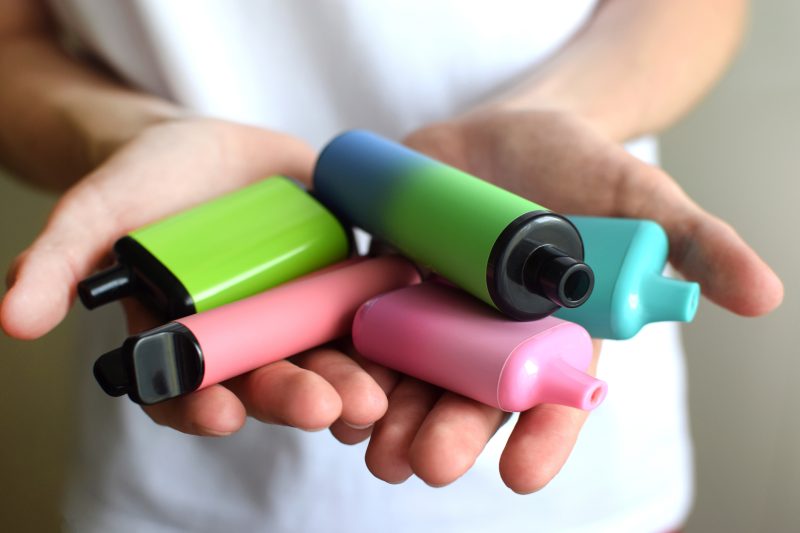
Since an adolescent’s brain is still developing, substances that affect the brain’s reward system can have stronger and longer-lasting effects.
Why these products are easy to access
“These products are widely available because laws haven’t kept up with how quickly the market is changing,” said Dr. Markley.
Many fall into legal gray areas – and they’re often marketed in ways that appeal to teens.
“Bright packaging, candy-like gummies, sweet drinks and sleek vape devices can make them seem harmless,” said Dr. Markley.
Labels can also be misleading.
“When something is labeled ‘natural’ or a ‘supplement,’ it can give a false sense of safety – even when that’s not the case,” she added.
Warning signs to watch for
Changes in your child’s behavior can be one of the first clues something isn’t right.
“Warning signs can include mood swings, changes in sleep, falling grades or more secretive behavior,” Dr. Markley said.
Physical symptoms may include:
- Nausea or vomiting
- Confusion or severe drowsiness
- Agitation or anxiety
- Seizures
- Trouble breathing or a fast heart rate
“If you notice items you don’t recognize – like vape cartridges, gummies or drink products – take a closer look,” Dr. Markley advised.

If you notice items you don’t recognize – like vape cartridges, gummies or drink products – take a closer look. Bright packaging, candy-like gummies, sweet drinks and sleek vape devices can make these items seem harmless.
What parents can do
You don’t need to know every product name to protect your child. Focus on awareness and communication.
“A good place to start is by asking what your child is seeing or hearing about from friends or online,” Dr. Markley said.
Here are some other tips:
- Keep the tone calm and open. Try to avoid being judgmental. You want your child to feel comfortable coming to you with questions or concerns.
- Remind them that just because something is sold in stores or online doesn’t mean it’s safe.
- Set clear expectations. Talk about your family’s values and expectations when it comes to substance use.
- Pay attention to changes. Trust your instincts if you notice shifts in mood, behavior or health.
- Check unfamiliar products. If you find something you don’t recognize, take the time to look into it.
Staying ahead of emerging risks
New products are constantly being introduced – and they often spread quickly through social media.
“Teens may hear about these products long before adults do,” Dr. Markley said. “That’s why staying informed matters.”
The challenge for parents isn’t just one substance – it’s keeping up with many.
“These products are made to look harmless, but they carry real risks,” she said. “Keeping communication open, staying aware and watching for changes in your teen’s behavior can help protect them from risks that aren’t always easy to see.”

Keep communication open, stay aware and watch for changes in your teen’s behavior. Try to avoid being judgmental. You want your teen to feel comfortable coming to you with questions or concerns.
When to seek help
If you’re concerned about your child, trust your instincts – early support can make a big difference.
Seek medical help right away if your child has:
- Trouble breathing
- Seizures
- Severe confusion or cannot be awakened
- Chest pain or a very fast heart rate
- Signs of overdose or a reaction to a substance
Contact your child’s doctor if you notice:
- Ongoing mood changes, anxiety or depression
- Changes in sleep, appetite or energy
- Declining school performance
- Repeated substance use or concerning behaviors
“You don’t have to handle this alone,” Dr. Markley said. “Reaching out to your child’s pediatrician or a qualified health professional is an important first step.”
If you think your child may have taken something harmful, contact Poison Control (1-800-222-1222) for immediate guidance.