Healthy preconception diet: Foods to enjoy — and avoid — before pregnancy
Marketing and Communications Staff Writer
What’s on your plate now can help improve your chances of getting pregnant, prepare your body for pregnancy and lower the risk of birth defects.
One of the best ways to support a healthy pregnancy begins even before you see that positive result on a pregnancy test.
“Many women don’t know they’re pregnant until several weeks after conception,” said Michael Krew, MD, a maternal-fetal medicine specialist at Akron Children’s. “But during that time, your baby’s vital organs are rapidly developing, so making sure you have the right nutrients in your system gives your baby a healthy start.”
Prepregnancy nutrition plan: Key nutrients to focus on now
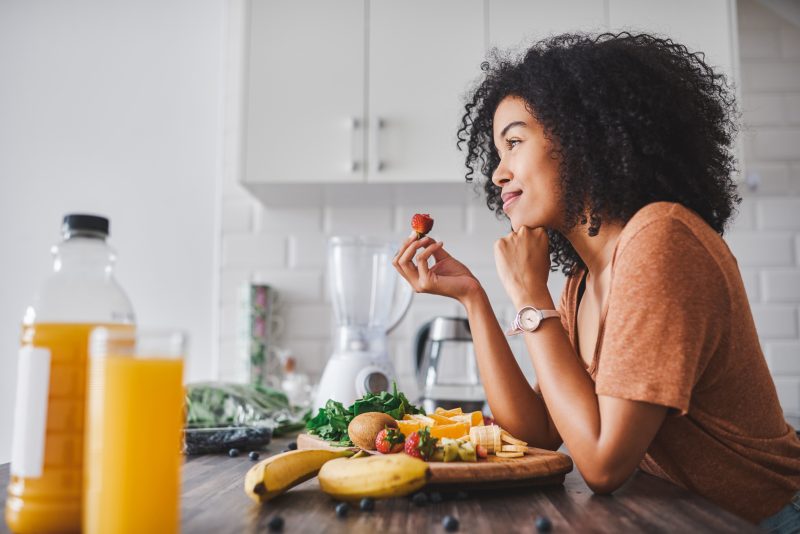
The best foods to focus on when you’re trying to get pregnant are the same as those for general health. This means eating a balanced diet full of fruits and veggies, whole grains, healthy fats and lean proteins.
Dr. Krew offers 5 key nutrients to pay extra attention to:
Folate (folic acid)
Folate, also known as folic acid, is a B vitamin that’s essential in early pregnancy for lowering the risk of spina bifida and other pregnancy issues.
“Folic acid is most important during the first month of pregnancy, when most women don’t even realize they’re pregnant,” said Dr. Krew. “This is why it’s important to start folic acid a few months before conception and continue through pregnancy. In addition to a healthy diet, I recommend taking a folic acid supplement to ensure you’re getting enough.”
Citrus fruits and leafy greens like spinach and kale are great sources of folate. You can also find it in:
Lentils
Beans
Peanuts
Broccoli
Asparagus
Fortified orange juice, cereals and grains
When it comes to fruits and veggies, eating the rainbow will provide a wide range of important vitamins and minerals for a healthy pregnancy.
Iron
Many women are low in iron already because of their monthly periods and not getting enough in their diets.
“It’s important to build up your iron stores now because your needs increase during pregnancy, especially to support your baby’s developing brain from the very start of pregnancy,” Dr. Krew explained. “Having too little iron can increase the risk of a premature baby or low birth weight.”
Great sources of iron include:
Lean red meat like beef and pork
Chicken and turkey
Tofu
Spinach
Peas
Baked beans
Fortified cereals and breads
Omega-3 fatty acids
Omega-3 fatty acids support hormone production and may improve egg quality. They are also important for your baby’s brain development. Having enough of this essential nutrient can reduce your risk of preterm birth.
Olive oil and fatty fish like salmon, Pacific mackerel and sardines are rich in omega-3 fatty acids. You can also find it in walnuts, soybeans, canola oil, flaxseeds and chia seeds.
Calcium and vitamin D
Getting enough calcium and vitamin D in your diet is important for strong bones (both for you and baby!) and reproductive function.
“Preparing for pregnancy means building strong bones,” Dr. Krew said. “Once pregnant, if you’re not getting enough calcium, your baby will draw it from your bones and can put you at risk later on.”
Dairy options like yogurt, milk and cheeses are great sources of calcium and vitamin D. Just try to stick to low-fat versions to help maintain a healthy weight.
You can also try fortified plant milks or orange juice for added calcium, and eggs are a great source of vitamin D.
Protein
Protein is essential for tissue growth, repair and hormone production. Try to stick with lean options like chicken, turkey and fish. Plant proteins like peas, black beans, chickpeas and soybeans are great options — along with eggs, Greek yogurt and nuts.
“The good news is eating well — and staying active — also can help you maintain a healthy weight,” Dr. Krew said. “This is important to help you improve your chances of getting pregnant and reduce risk of complications once you do get pregnant.”
Tips to building a balanced plate
When you aim for a balanced plate at every meal, you’re getting a wide range of vitamins and minerals your body needs for a healthy pregnancy. Try this:
Fill half your plate with fruits and vegetables
Fill one-quarter with whole grains (like brown rice, whole wheat pastas and breads)
Fill one-quarter with lean proteins
Also, be sure to add healthy fats like olive oil or avocado.
And don’t forget water. Staying hydrated helps your body transport important nutrients and regulate hormones. Aim for about 8 to 10 cups a day, depending on your activity level.
“If you’re struggling to eat balanced meals, talk to your doctor,” Dr. Krew recommended. “They can refer you to a dietitian to help you tailor meals that fit your tastes, budget and lifestyle.”
Foods to avoid when trying to conceive
What you don’t eat matters, too. Some foods can affect your chances of getting pregnant or increase risks for your baby.
Here are foods to avoid when trying to conceive:
Highly processed foods and added sugars. Processed snacks and treats like chips and desserts don’t offer a lot of nutrition and can increase your risk of gestational diabetes.
Excess caffeine. Drinking too much caffeine can make it harder to get pregnant and increases the risk of miscarriage. Limit caffeine to about 200 mg/day. That’s about one cup of coffee or three cans of soda, depending on the type. Remember, caffeine is also in other foods like tea and chocolate.
Alcohol. Cutting back to no more than 1 drink per day, or stopping altogether, can improve hormone balance and make it easier to get pregnant. Changing habits now will make it easier once you become pregnant. Alcohol can cause serious birth defects, miscarriage or premature birth.
Certain types of fish. Avoid swordfish, king mackerel, albacore tuna and other types of fish that can be high in mercury, which can harm a developing baby’s brain.
Consider a prenatal vitamin
Even with a balanced diet, it can be hard to get all the nutrients your body needs for pregnancy from food alone. A prenatal vitamin — especially one with folic acid, iron and vitamin D — can help fill in the gaps.
But with that said, prenatal vitamins are meant to supplement your diet — and not be your only source of much-needed nutrients.
“Prenatal vitamins are not a license to eat whatever you want because they don’t contain protein, fiber and calcium,” Dr. Krew explained. “Plus, some nutrients like iron are absorbed best from food.”
Importance of healthy eating before pregnancy
Your diet before and during pregnancy not only affects your baby’s development in the womb, but also their health later in life.
“By focusing on healthy eating before pregnancy, you’re building a strong foundation for your health and your future baby’s health, too,” Dr. Krew said. “And, you’ll be prepared when you see a positive result on that pregnancy test.”
Inside Children’s is an online community that provides inspirational patient and staff stories as well as information about health and parenting, hospital news, fundraising events and more.