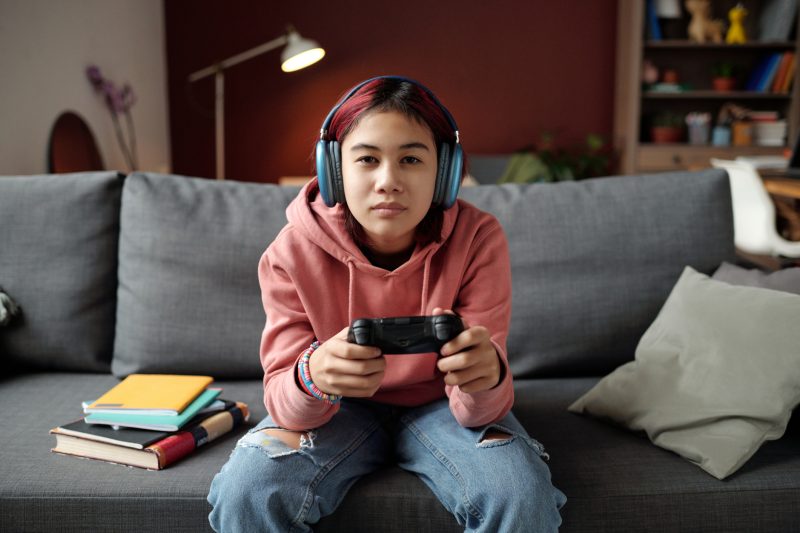
Binge gaming refers to a pattern of playing video games for 5 or more hours in a row.
For many kids, gaming is a normal part of childhood and adolescence. It can be social, creative and fun. But when gaming stretches into marathon sessions, it can begin to affect sleep, mood and school performance in ways that are easy to miss.
Dr. Laura Markley, a child and adolescent psychiatrist and addiction medicine specialist at Akron Children’s, explains what “binge gaming” can look like and how families can support healthy gaming habits at home.
What counts as “binge gaming”?
According to Dr. Markley, a pattern of playing video games for 5 or more hours in a row can be a meaningful warning sign. While occasional long sessions aren’t necessarily harmful – think snow days, sleepovers or weekend hangouts with friends – the concern is when those marathon sessions become frequent and begin to interfere with daily functioning.

Dr. Laura Markley
Long gaming sessions affect sleep, mood and school
Sleep is often the first area to suffer. “Lengthy or repetitive gaming sessions are associated with worse sleep,” Dr. Markley said. “Poor sleep can quickly snowball into daytime irritability, fatigue and mood difficulties.
“Some research also links heavy or binge-pattern gaming with higher rates of depression and anxiety,” she added. “And these relationships can go both ways – depression may lead to more gaming, which may then worsen depression and anxiety, creating a vicious cycle.”
School performance may also decline if late-night gaming cuts into homework, sleep or focus.

Occasional long sessions aren’t harmful. The concern is when those marathon sessions become frequent and begin to interfere with daily functioning.
Why parents should pay attention to patterns, not just hours
Parents often focus on weekly hours of play, but Dr. Markley says the pattern matters more.
“How often a teen is playing for 5 or more hours at a time may tell us more than total weekly hours alone,” she said. “That pattern can be a better signal of sleep problems, stress and functional impact. Asking a simple question like, ‘How often do you play for several hours at a time?’ can give parents a better sense of whether gaming may be starting to interfere with daily life.”
Do boys and girls experience binge gaming differently?
Gaming-related problems are reported more frequently among boys. However, when girls engage in binge gaming, they can experience many of the same concerns, including mood symptoms, sleep disruption and social difficulties. In other words, parents shouldn’t dismiss concerns based on gender alone.
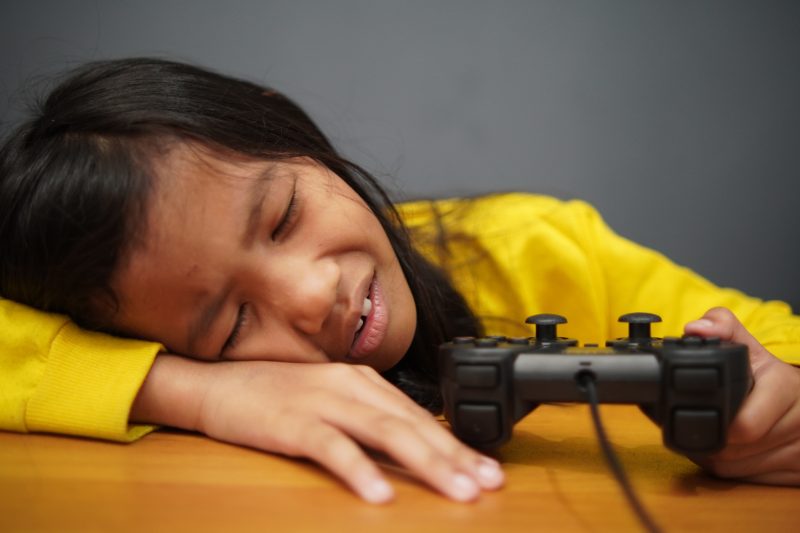
School performance may decline if late-night gaming cuts into homework, sleep or focus.
What parents should monitor
If you’re worried your child may be slipping into binge-pattern gaming, keep an eye on their:
- Sleep patterns: This is often the earliest and most consistently affected area.
- Mental health: Look for new or worsening symptoms of anxiety, depression, attention-deficit/hyperactivity disorder (ADHD), irritability or social withdrawal.
- School performance: A decline in attention, motivation or grades may signal that gaming is crowding out homework or rest.
- Social connection: Some teens report more loneliness and less face-to-face interaction when binge gaming becomes frequent.
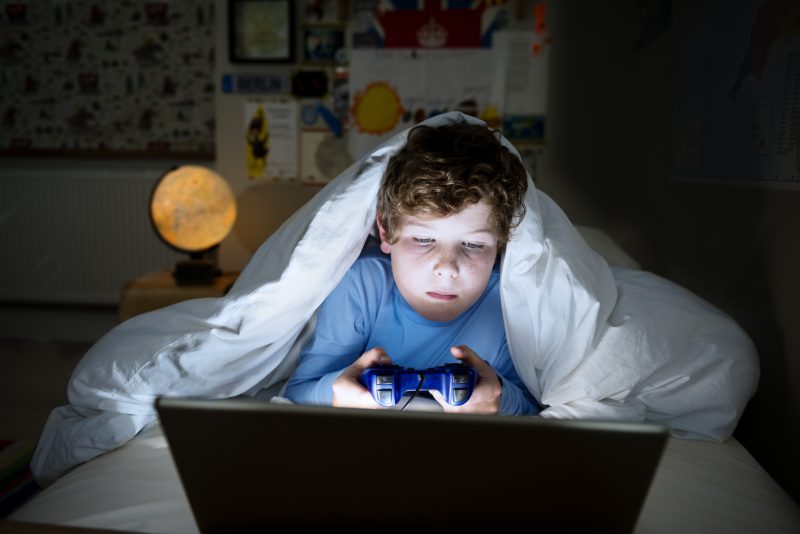
Create a cutoff for gaming 1-2 hours before bedtime to reduce overstimulation, and keep consoles or gaming laptops out of the bedroom at night.
How to support healthier gaming habits
- Set time limits. Work with your child to set reasonable limits, such as 1-2 hours per session with breaks, and try to reduce late-night gaming.
- Protect sleep. Protecting sleep is one of the most important steps families can take. Create a cutoff for gaming 1-2 hours before bedtime to reduce overstimulation, and keep consoles or gaming laptops out of the bedroom at night.
- Set rules and routines. Parents should set clear expectations around device use – and model these habits themselves. Encourage sports, clubs, creative hobbies and time with friends, so gaming is one part of a balanced routine, not the central activity.
- Watch for underlying concerns. Mood, anxiety or attention challenges often play a role in driving or worsening gaming patterns. Addressing those underlying issues can reduce the need to escape into long gaming sessions.
- Seek professional help when needed. If gaming is interfering with your child’s sleep, mood, school performance or relationships, it may be time to seek professional support with a therapist trained in gaming disorders or behavioral addictions.
Bottom line for parents
Gaming isn’t inherently harmful. For many kids, it’s a fun and social hobby. However, frequent lengthy sessions can be a sign that gaming is beginning to interfere with healthy functioning.
With structure, supportive conversations and attention to the bigger picture, parents can help kids enjoy gaming while maintaining balance in the areas that matter most.
If gaming interferes with your child’s sleep, mood, school performance or relationships, it may be time to seek professional help. Learn more about Akron Children’s behavioral health and addiction medicine services.