One of the first body systems to develop in early pregnancy is a baby’s brain. Because of this, it’s especially sensitive to chemicals and drugs, including marijuana.
With cannabis now legal in many states, you may wonder if it’s safe to use cannabis or marijuana during pregnancy. Since marijuana is a plant that grows in the ground, some people consider it a natural, safe, homeopathic remedy for help with things like nausea, anxiety or sleep.
The difference between THC and CBD during pregnancy
Cannabis contains a chemical called tetrahydrocannabinol (THC). THC is a psychoactive, and it’s what causes the “high.” During pregnancy, THC can cross the placenta and reach the developing baby.
THC is different from cannabidiol (CBD), which you can buy over the counter in many forms. CBD is nonintoxicating and often used for therapeutic benefits like anxiety and pain relief.
How cannabis can affect a developing baby
One of the first body systems to develop in early pregnancy is a baby’s brain. Because of this, it’s especially sensitive to chemicals and drugs, including marijuana.
“Anything a mother ingests into her body can potentially cross the placenta and reach the baby,” said Dr. Michael Krew, maternal fetal medicine specialist at Akron Children’s. “We worry about cannabis because THC can affect the developing brain, and that brain is growing and changing every single day during pregnancy.”
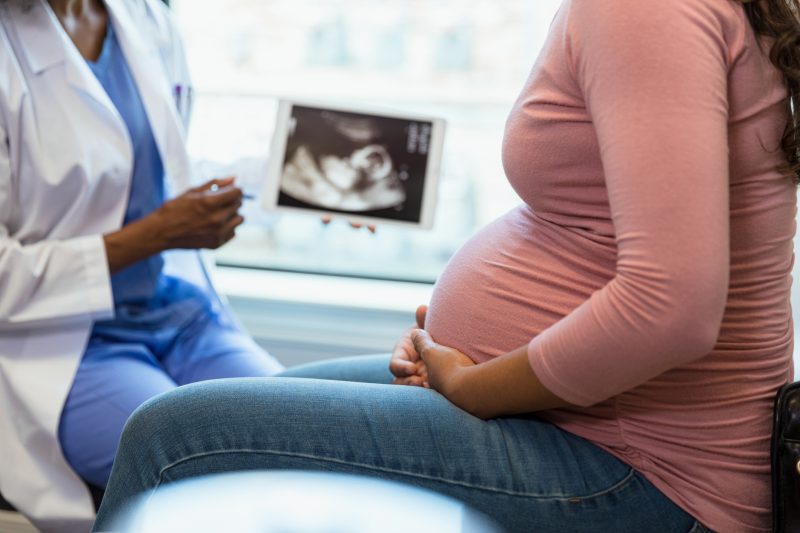
Studies suggest that using cannabis while pregnant may be linked to lower birth weight, higher risk of premature birth, problems with attention and learning later in childhood and increased behavior concerns as children grow.
What are the risks of marijuana during pregnancy?
Research is still ongoing, but studies suggest that using cannabis while pregnant may be linked to:
- Lower birth weight.
- Higher risk of premature birth.
- Problems with attention and learning later in childhood.
- Increased behavior concerns as children grow.
For these reasons, the American College of Obstetricians and Gynecologists and the American Academy of Pediatrics both recommend avoiding marijuana during pregnancy.
What about marijuana for morning sickness?
While marijuana may indeed help some people with severe nausea, there are safer, more well-studied options for pregnant women.
“If nausea is making it hard to function, talk to your doctor,” said Dr. Krew. “There are medications we can prescribe that have been carefully studied in pregnancy. Self-medicating with cannabis isn’t the best choice.”
If you’re struggling with nausea, don’t try to manage it alone. Your provider can help you explore safe treatments for morning sickness.
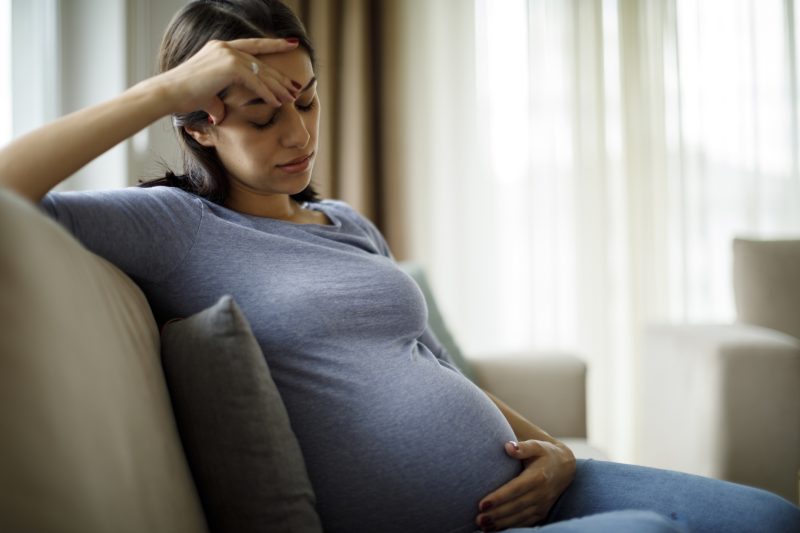
While marijuana may indeed help some people with severe nausea, there are safer, more well-studied options for pregnant women.
Is CBD safe during pregnancy?
CBD products are often advertised as natural and harmless. But these products are not tightly regulated, and some may contain small amounts of THC or other ingredients not listed on the label.
“Just because a product is sold over the counter doesn’t mean it’s safe to use in pregnancy,” said Dr. Krew. “CBD does cross the placenta and reach the fetus. There’s growing evidence that CBD can have negative effects on the developing fetal brain. For this reason, we recommend avoiding both THC and CBD during pregnancy.”
What if you used cannabis before you knew you were pregnant?
Even if you used marijuana or other cannabis-infused products before you knew you were pregnant, the most important thing you can do now is to stop.
“Be honest with your doctor,” Dr. Krew said. “Our goal isn’t to judge you. We want to support you and help you have the healthiest pregnancy possible.”
The bottom line for parents
Medical experts recommend avoiding cannabis in all forms – including smoking marijuana, vaping or using edibles – during all stages of pregnancy.
If you have questions about pregnancy symptoms like nausea, stress or trouble sleeping, your health care provider can help you find safer options. Protecting your baby’s growth and development is one of the most important steps you can take during pregnancy.
Learn about our maternal-fetal medicine expertise.