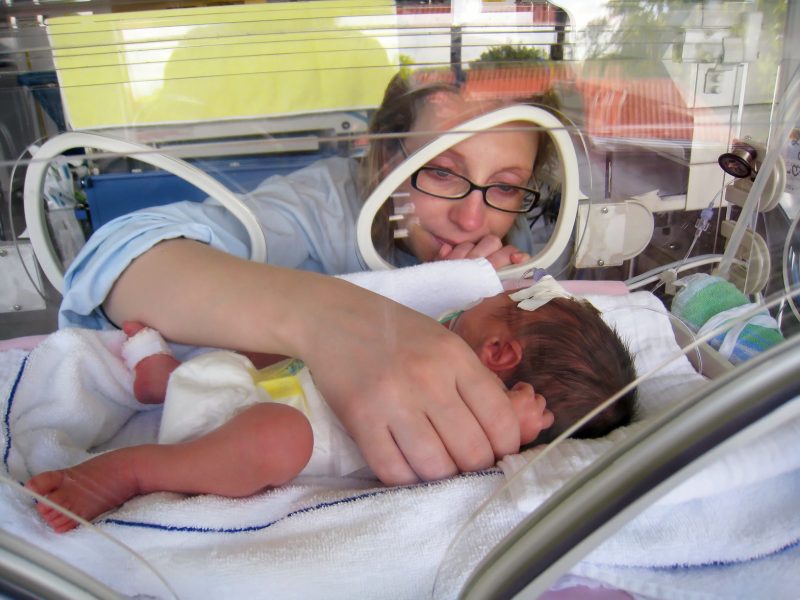
Singing does more than comfort your baby. It helps their brain and body grow. This is especially important for babies who are born prematurely.
When your baby is in the NICU, bonding may not look the way you imagined.
Instead of quiet time at home, there are monitors, medical equipment and many unknowns.
But there is something powerful you can give your baby right now. It’s your voice.
“It’s so important to interact with your baby to promote bonding,” said Elizabeth Germano, music therapist. “Babies love to hear the voices of mom, dad and other close family members.”
Why your voice matters
During the last months of pregnancy, babies hear soft and familiar sounds. They hear their parents’ voices, breathing and heartbeat. These sounds are muffled and gentle, which protects their new hearing.
When a baby is born early, they miss some of that protected time.
“Their hearing is brand new and particularly sensitive,” Elizabeth explained. “Outside the womb, babies don’t have that natural protection. In fact, sound levels in an isolette can sometimes be much louder than in open air.”
That’s why gentle sounds, lullabies and especially a parent’s voice are so important in the NICU. Your voice is familiar. It helps your baby feel safe.
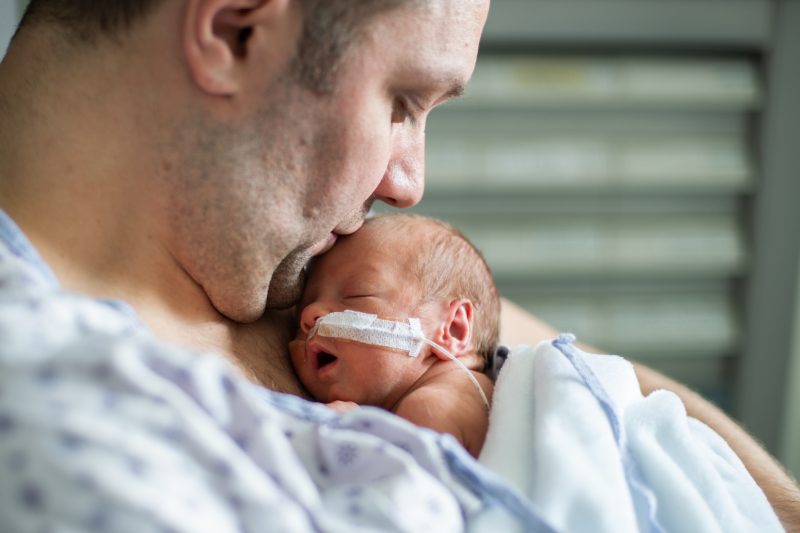
It’s important to interact with your baby to promote bonding. Babies love to hear the voices of mom, dad and other close family members.
The benefits of singing
Singing does more than comfort your baby. It helps their brain and body grow.
“Singing provides the necessary and appropriate stimulation to support language, cognitive, auditory and social development,” said Elizabeth. “It can also relax and comfort your baby, especially when the song is repetitive.”
Soft, simple singing can help:
- Keep heart rate steady
- Support calm breathing
- Improve oxygen levels
- Save energy for growth
- Decrease pain
- Strengthen the bond between parent and baby
Elizabeth stressed, “No matter how you think you sound, your baby is loving it.”
How to sing to a premature baby
Keep it simple when singing to a newborn. Try to keep your singing:
- Slow – Fast music can be too much.
- Soft – Loud sounds can startle babies.
- A little higher in pitch – Babies hear higher sounds better.
- Smooth – Move gently from note to note.
- Repetitive – Even if you feel bored, your baby won’t. Repetition is calming.
- About 30 minutes or less – Babies also need quiet time.
Lullabies work best because they are simple and gentle.

Learn your baby’s body language. Recognizing your baby’s cues will help ensure they don’t become overstimulated.
A note about classical music
Many people think classical music is best for babies, but that isn’t always true.
“Orchestral music is far too complex for babies’ brains,” Elizabeth explained. “If they’re medically fragile or premature, lullabies are best.”
Music with too many changes can overstimulate a newborn. Instead, choose simple songs like:
- “Twinkle, Twinkle Little Star”
- “You Are My Sunshine”
- “Hush Little Baby”
- “The ABC Song”
- “Row, Row, Row Your Boat”
- “Old MacDonald”
- “Mary Had a Little Lamb”
- “Itsy Bitsy Spider”
- “Wheels on the Bus”
How to tell if your baby is overstimulated
Your baby may not be able to talk, but they’re always communicating through their body language.
“Recognizing your baby’s cues will help ensure they don’t become overstimulated,” Elizabeth said.
Overstimulation happens when there’s too much noise, light or touch. Signs your baby may be feeling overwhelmed include:
- Holding up a hand like a “stop” sign
- Grimacing or turning red
- Crying
- Sudden jerking or startling
- Stiff fingers
- Arching their back
- Hiccups (which can sometimes mean stress)
If you see these signs, pause and give your baby time to rest before starting again.
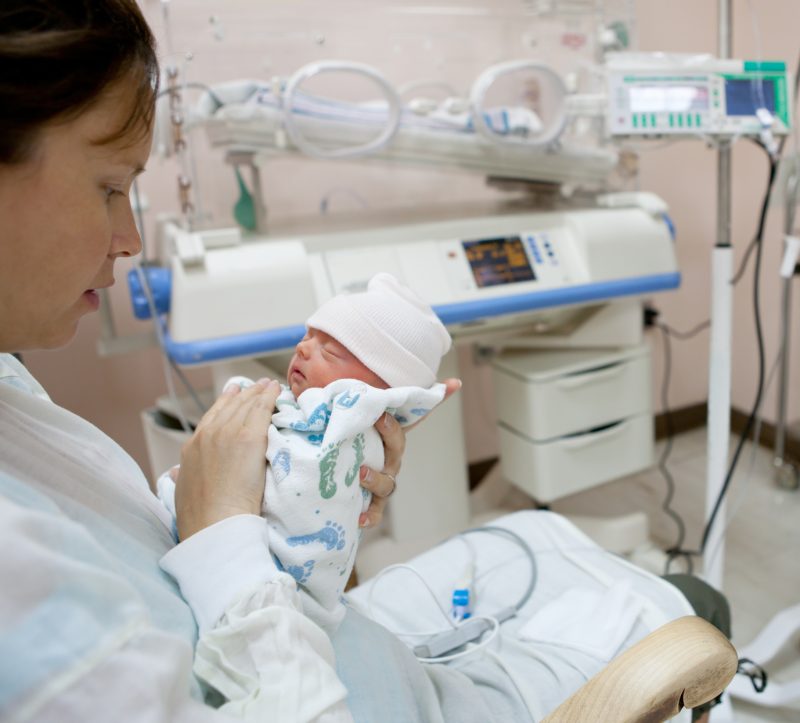
At Akron Children’s, families in the NICU can use sound carts with Bluetooth speakers to safely play lullabies. At home, parents can search for the ACH NICU Lullaby Playlist on Spotify (playlist by Expressive Therapy Center) for music that is safe and calming for infants.
Signs your baby is enjoying it
As babies grow stronger, especially near their original due date, they may show signs they enjoy the interaction.
Look for:
- Turning their face toward you
- Making eye contact
- Smiling, even while sleeping
- Cooing softly
- Snuggling into you
These small signs matter. They show your baby is connecting with you.
A simple way to help your baby grow
In the NICU, much of the care feels medical and technical. Singing is different because it’s personal.
“When you sing to your baby, you’re helping their brain grow strong and strengthening the bond between you,” said Elizabeth.
Similar stories:
Akron Children’s makes it easier than ever to pay your bills
Behavioral health experts offer tips to help kids feel safe after a public tragedy
Everything you need to know about pregnancy ultrasounds
Experts agree minors are more likely to seek care with MyChart teen access
My toddler hates bathing. What should I do?
At Akron Children’s, families in the NICU can use sound carts with Bluetooth speakers to safely play lullabies. At home, parents can search for the ACH NICU Lullaby Playlist on Spotify (playlist by Expressive Therapy Center) for music that is safe and calming for infants.