Fentanyl is the leading driver of overdose deaths in the United States. But the good news is that overdose deaths are preventable.
Fentanyl is a powerful synthetic opioid that is much stronger than morphine or heroin. The term fentanyl can refer to a medication used safely in hospitals, an illegally made drug found in counterfeit pills or fentanyl-like substances that can be even stronger.
While pharmaceutical fentanyl has important medical uses, illicitly manufactured fentanyl is often hidden in illegally made pills without people knowing. This form now plays a major role in overdose deaths across the United States, including among adolescents.
Many young people who experience fentanyl-related overdose did not know fentanyl was in the drug they took. Understanding how exposure happens — and how families can reduce risk — is critical. Dr. Laura Markley, medical director of Akron Children’s Addiction Services, answers common questions about fentanyl and how to protect your child.
Q: How do pills get “laced” with fentanyl?
A: When people talk about “laced pills,” they are usually referring to counterfeit pills—drugs made to look like legitimate prescription medications such as Percocet®, OxyContin®, Xanax® or Valium®.
Over the past decade, drug trafficking organizations have increasingly produced these counterfeit pills and sold them outside of pharmacies. Although they may look identical to real prescriptions, testing shows that many of these pills contain fentanyl instead of the medication they are supposed to contain. The amount of fentanyl can vary greatly from pill to pill, making overdose risk unpredictable.
Because many teens believe prescription-looking pills are safer than “street drugs,” these counterfeits can feel deceptively low-risk — when they may be deadly.
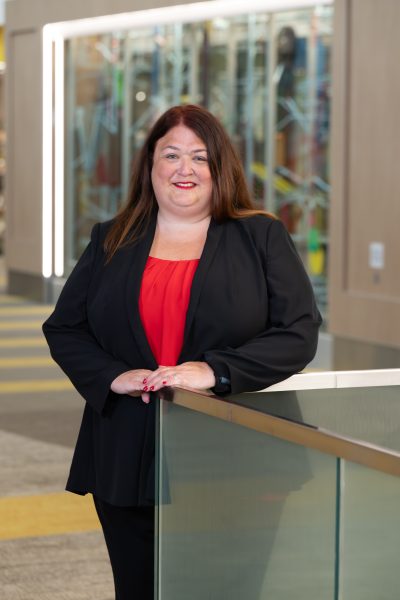
Dr. Laura Markley
Q: How can people keep themselves safe?
A: The most important safety message is simple: There is no way to know what is in an illicit pill or powder. To reduce risk:
- Only take medications that are prescribed to you and dispensed by a pharmacy.
- Never use pills obtained from friends, parties, social media or online sellers.
- Avoid using drugs alone. If an overdose occurs, no one may be present to help.
- Carry naloxone (Narcan) if there is any risk of opioid exposure. Naloxone safely reverses opioid overdoses and is widely available without a prescription.
- Seek help early if substance use is becoming difficult to control — early intervention saves lives.
Q: Should parents worry about over-the-counter (OTC) or prescribed medications?
A: In general, over-the-counter medications and prescriptions filled at licensed pharmacies are safe when used as directed. There is no evidence that sealed OTC medications are routinely tampered with or laced with fentanyl.
However:
- Medications should never be shared.
- Unused prescriptions should be stored securely and disposed of properly.
- Any pill not purchased in a sealed container or not obtained directly from a pharmacy should be considered unsafe.
- Because teens may misuse a variety of medications, it is best to store all medications securely in the home.
Q: What else should families know about fentanyl?
A: Fentanyl is now the leading driver of overdose deaths in the United States, and adolescents are increasingly affected — often through counterfeit pills or unintentional exposure rather than intentional opioid use.
The good news: overdose deaths are preventable.
- Naloxone (Narcan) can reverse fentanyl and other opioid overdoses and is safe and easy to use. Many pharmacies and community agencies provide it at low or no cost.
- Medication take-back programs allow families to safely dispose of unused prescriptions.
- Treatment works. If a child or teen is struggling with substance use, medical and behavioral health services — such as those offered through Akron Children’s Addiction Services — can help prevent escalation and reduce long-term harm.
If you are concerned about your child, talk with your pediatrician or a behavioral health professional. If someone may be experiencing an overdose, call 911 immediately.
Q: How can parents reduce the risk of their kids using illegal or unsafe drugs?
A: Parents play a powerful role in prevention. Helpful steps include:
- Talk early and often about fentanyl and the dangers of counterfeit pills, emphasizing that one pill can be deadly.
- Set clear expectations about not using medications that are not prescribed.
- Monitor medications at home (secure storage, counting pills, disposing of leftovers).
- Stay engaged in your child’s world, including social activities and online spaces.
- Model safe behavior around alcohol and medications.
- Ask for help early if concerns arise—early support is far more effective than waiting for a crisis.
Q: What warning signs might suggest a teen is using illegal or unsafe substances?
A: Warning signs can be subtle and may overlap with normal adolescence, but patterns to watch for include:
Behavioral
- Secrecy, lying or withdrawal from family and activities.
- Declining school performance.
Physical
- Excessive sleepiness, frequent nausea or headaches.
- Constricted (“pinpoint”) pupils or unexplained weight loss.
Emotional
- Irritability, anxiety, depression or sudden mood changes.
Environmental
- Unfamiliar pills or packaging.
- Missing medications at home.
If you notice concerning changes, trust your instincts and seek medical or behavioral-health guidance.
Does your child need help with an addiction? Learn about Akron Children’s Addiction Services Program.