Six ways to plan for pregnancy when you have a preexisting condition
Marketing and Communications Staff Writer
If you have a preexisting condition, your medical team will take extra steps to protect you and your baby.
Pregnancy can be a very exciting time in your life. It’s also a time to make your health top priority. It’s important to prepare your body for a healthy pregnancy — especially if you have a preexisting condition like high blood pressure.
Making sure you’re the healthiest as possible before you become pregnant reduces risks for both you and your baby.
“High blood pressure increases your chances for preeclampsia, early birth, low birth weight and placental problems,” said Michael Krew, MD, director of Maternal-Fetal Medicine at Akron Children’s. “Other conditions like heart disease, diabetes or obesity come with risks, too. Being in the best health possible is the most important way to avoid complications during pregnancy and deliver a healthy baby.”
If you’re thinking about starting — or adding to — your family, schedule an appointment with your healthcare team and continue using birth control until your condition is as controlled as possible.
How do preexisting conditions affect my baby?
Having a preexisting condition doesn’t mean you can’t have a healthy pregnancy. But it does mean close monitoring and being in your best health possible to avoid complications.
High blood pressure can lead to preeclampsia, which can be dangerous for you and your baby. It can spike blood pressure to dangerous levels, which can affect blood flow to your baby. This can cause slow growth for baby, low birth weight or early birth.
Other preexisting conditions like diabetes and obesity can lead to serious conditions like gestational diabetes, preeclampsia, early birth and even miscarriage.
“Preexisting conditions puts mom’s health at risk, too,” Dr. Krew said. “High blood sugar levels can damage your vital organs. And hypertension increases your risk of a heart attack, stroke or kidney failure.”
The good news is there are steps you can take now to prepare for pregnancy and help greatly reduce risks to deliver a healthy baby.
Develop a prepregnancy plan with your health care team
The first important step is to schedule an appointment with your health care team, including your primary care provider, OB-GYN and other necessary specialists, at least 6 months before trying to get pregnant. Your providers can talk to you about how your preexisting condition might affect your pregnancy and baby. Together, you can develop a prepregnancy plan to reduce risks.
If you have high blood pressure, your provider may recommend lifestyle changes to lower your blood pressure. Sticking to a heart-healthy diet and regular exercise can help you lose weight, and adjusting medications may help you better control your condition.
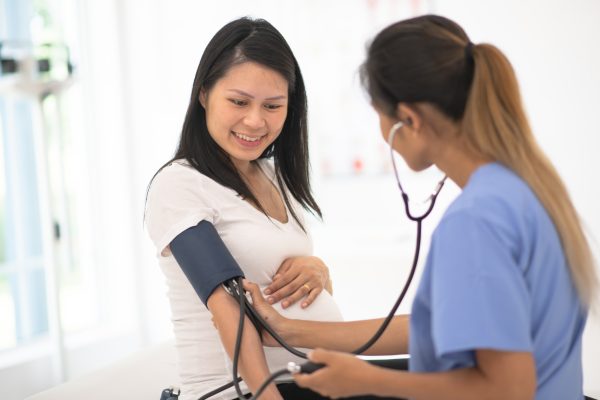
“Some moms can have worsening blood pressure during pregnancy — and may even have problems with it after baby is born,” Dr. Krew shared. “So before, during and after pregnancy, it’s important to check your blood pressure more often to make sure you’re staying as close to a normal range as possible.”
Review medications with your provider
Review any prescription, over-the-counter medicine and supplements you’re taking with your provider. Some blood pressure drugs are considered safe during pregnancy, but others should be avoided. You’ll need time to transition to safer options and doses. If that’s not possible, your provider may refer you to a maternal-fetal medicine specialist for further evaluation.
Your provider also may recommend a daily aspirin to lower your risk of preeclampsia.
In addition, ask your doctor about other medications or supplements you should add. It’s recommended all women start taking 400 micrograms of folic acid at least 3 months prior to getting pregnant. If you have diabetes, your provider may prescribe a higher amount.
Getting enough folic acid in early pregnancy can lower the risk of neural tube defects (problems caused by incomplete development of the brain or spinal cord), such as spina bifida, and other pregnancy complications.
A few more medical appointments, and extra love from the baby’s big sister, will help you manage pregnancy with a preexisting condition.
Focus on nutrition
Good nutrition not only nourishes your body before and during pregnancy, but it also helps you manage blood pressure, blood sugar and maintain a healthy weight.
Reach for plenty of fruits, vegetables, whole grains, low-fat dairy and lean proteins. Good sources include dark, leafy greens; turkey and fish; tofu; and low-fat cheeses and yogurt. At the same time, limit sugar, highly processed and fried foods high in saturated fats to maintain a balanced diet.
If you have hypertension, it’s important to limit sodium intake to 2,300 milligrams or less daily. Diets high in salt can cause fluid retention, which raises blood pressure.
You can ask your provider to refer you to a dietitian who can help you develop a meal plan tailored to your preexisting condition. Together, you can discuss options you actually want to eat and can easily incorporate into your daily diet.
Exercise regularly and maintain a healthy weight
It’s important to make exercise a regular part of your daily routine — whether you’re trying to get pregnant or not. But when you have high blood pressure, it’s even more crucial.
Exercise not only helps you manage weight, but it also strengthens your heart to improve circulation and lowers stress and inflammation in the body to naturally reduce blood pressure. Not to mention, it helps build muscle, flexibility and stamina — all the things required for carrying — and delivering — a baby.
Aim for 30 minutes of physical activity 5 or more days a week, such as brisk walking, swimming, strength training or yoga.
Quit smoking and using other harmful substances
Now is the time to quit smoking, drinking alcohol and using drugs. You’ll protect your health — and your baby’s.
Smoking is dangerous for your health and increases the risk of many pregnancy complications, especially if you have high blood pressure or diabetes. And vaping is not a safer alternative for smoking. Vape juice contains nicotine and heavy metals that are toxic.
Drugs like cocaine, marijuana and opioids are stimulants that cause spikes in blood pressure. And heavy drinking causes blood vessels to narrow, which increases blood pressure.
Reduce stress
Everyone feels stress from time to time. But finding ways to keep it in check can make it easier to get pregnant — and lowers your risk of complications once you do, especially if you have high blood pressure. When you’re stressed, your body releases cortisol, which narrows blood vessels and increases blood pressure.
Try stress-reducing practices, such as deep-breathing exercises, meditation and journaling. Finding ways to relax, getting enough sleep and exercise also can help. Plus, including these habits into your daily routine will come in handy once you’re pregnant and after the baby’s born to better manage stress.
If you’re planning for pregnancy and have a preexisting condition, know your health care team is here to support you and ensure a healthy pregnancy and baby.
“Having a preexisting condition might mean more appointments and taking a few extra steps to better control it, but it doesn’t mean you can’t have a healthy pregnancy,” said Dr. Krew. “Planning ahead, getting support and strong management of your condition before and during pregnancy greatly reduce risks for both mom and baby.”
Inside Children’s is an online community that provides inspirational patient and staff stories as well as information about health and parenting, hospital news, fundraising events and more.