Being in good health before you get pregnant is the best way to reduce risk of complications for you and your baby.
Planning for pregnancy can be a very exciting time in your life. There are many things to prepare, from picking out baby names to deciding on a birth plan. But it’s also important to consider preconception and prepare your body for a healthy pregnancy.
For about 40 weeks, your body is home to a growing baby during the most critical period of development. And your health can affect the health of your baby.
“Preconception health is the foundation of a healthy pregnancy — and can impact your ability to get pregnant,” says Michael Krew, MD, director of Maternal-Fetal Medicine at Akron Children’s. “Being in the best health possible is the most important way to avoid complications during pregnancy and deliver a healthy baby.”
From prepregnancy checkups to lifestyle changes, there are many ways you can reduce risks for your new bundle of joy. Dr. Krew offers 7 ways to prepare your body for a healthy pregnancy:
Schedule a prepregnancy checkup
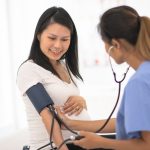
The first important step is to schedule a prepregnancy checkup, so you and your provider can develop a plan for a healthy pregnancy.
Your provider will review your current health and ask about family history to evaluate any concerns that could increase your chances for a high-risk pregnancy. It’s also a good time to address a chronic health condition, if necessary, and any prescription medications you’re taking. That way, you’ll have time to make adjustments to keep your condition under control or transition to pregnancy-safe meds before conception.
Your provider also may recommend tests to check your reproductive health, such as a Pap smear, pelvic exam or blood tests — and recommend vaccines, if you’re not caught up.
Get vaccinated
Make sure you’re up to date on all your recommended vaccines because certain infections during pregnancy can cause birth defects or complications. And some vaccines aren’t safe during pregnancy, such as rubella and chickenpox, so it’s best to get these about a month before conception.
You should also get your annual flu and COVID shots, which are safe to get while pregnant. Getting these respiratory illnesses while pregnant puts you at risk for more serious illness and could harm your baby.

Talk to your provider about what vaccines you need before getting pregnant.
Take a daily vitamin with folic acid
Start taking a vitamin daily that includes 400 micrograms of folic acid at least 3 months prior to conception. Getting enough folic acid in early pregnancy can lower the risk of neural tube defects (problems caused by incomplete development of the brain or spinal cord), such as spina bifida, and other pregnancy complications.
Exercise regularly and maintain a healthy weight
There’s no need to train for a marathon, but getting and staying in shape is ideal. Aim for 30 minutes of physical activity 5 or more days a week, such as brisk walking, swimming, strength training or yoga.
Exercise strengthens your muscles, improves flexibility and builds stamina, all of which are required for carrying — and delivering — a baby.
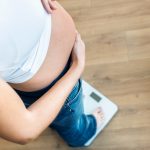
In addition, exercise can help you maintain a healthy weight. Women who are overweight during pregnancy are at a higher risk of complications, such as high blood pressure, diabetes and premature birth.
Focus on nutrition
Just as it’s important to nourish your body while pregnant, eating a balanced diet rich in iron, calcium and other essential vitamins and minerals better prepares your body for a healthy pregnancy.
Reach for plenty of fruits, vegetables, whole grains, low-fat dairy and lean proteins. Good sources include dark, leafy greens; turkey and fish; tofu; and low-fat cheeses and yogurt. At the same time, limit sugary treats, highly processed and fried foods to maintain a balanced diet.
Be sure to also limit caffeine to no more than 2 cups of coffee each day. Drinking caffeine can make it harder to get pregnant and increases the risk of miscarriage.
Avoid harmful substances
Now is the time to quit smoking, drinking alcohol and using drugs. Not only can these harmful substances lead to serious birth defects, miscarriage or premature birth, but they also can affect your hormone levels, menstruation and ovulation — making it harder to get pregnant.
Reduce stress
Everyone feels stress from time to time, but finding ways to keep it in check can make it easier to get pregnant — and lowers your risk of complications once you do. In fact, some women find once they can relax and reduce stress, they’re more likely to conceive.
Try stress-reducing practices, such as deep-breathing exercises, meditation and journaling. Finding ways to relax, getting enough sleep and exercise also can help. Plus, incorporating these techniques into your daily routine will come in handy once you’re pregnant and after the baby’s born to better manage stress.
“Preparing your body before pregnancy is vital for a healthy pregnancy — and baby,” says Dr. Krew. “The first few weeks are the most critical in baby’s development, but many moms don’t realize they’re pregnant until several weeks after conception.”
If you have a high-risk pregnancy, Akron Children’s Neonatal and Perinatal Medicine provides the specialized care you and your baby need.