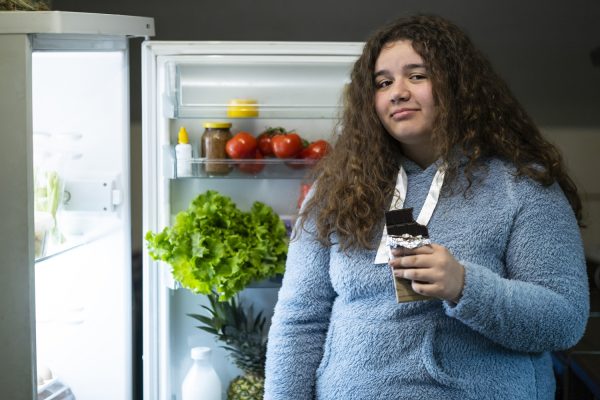
Obesity becomes more common as kids age.
Many kids in America struggle with their weight. While factors like hormones and genes cannot be changed, other reasons like poor eating habits and too much screen time can be improved. Parents play a key role in helping their kids not only lose weight but improve their overall health.
A growing problem
Data from the Centers for Disease Control and Prevention shows that obesity becomes more common as kids get older. From 2017 to early 2020, about 12.7% of children ages 2-5 were obese. The percentage rose to 20.7% in kids ages 6-11 and 22.2% in teens ages 12-19.
Childhood obesity means a child has a body mass index (BMI) higher than most kids their age and sex. This can cause health problems as they grow up. Kids with obesity are more likely to have issues like high blood pressure, diabetes, high cholesterol, heart disease, joint pain and trouble sleeping. It can even raise the chances of getting some types of cancer.
Get your kids off to a healthy start
The best way to keep your child healthy is to take them to their checkups. Your child’s primary care provider keeps track of their weight from birth to make sure they are growing in a healthy way. “Starting at age 2, the provider can figure out your child’s BMI,” said Dr. Julie Eschbaugh, pediatrician and obesity medicine specialist in the Akron Children’s Healthy Active Living program. “The provider can help to identify if your child is on the course to having weight issues.”
Eat together as often as you can
Food plays a major role in a child’s health and weight. “Food has many different roles in our society. Its primary function is to fuel and nourish our bodies, so we can do all the activities we enjoy,” Dr. Eschbaugh said. “But there’s also a social aspect. Eating together as a family helps us connect with each other. In addition, sitting around a table together helps us regulate our food intake. We pay more attention to our body’s signals when we’re getting full.”
Today’s families are busier than ever, and it can be hard to find time to eat together. “I always tell families to do what they can,” Dr. Eschbaugh shared. “If they can make eating dinner together a priority 1 or 2 nights a week, that’s better than nothing. Sometimes a first step is just turning screens off and having whoever is home sit around the table to eat together – even if it is not the entire family.”

Encourage your kids to get at least an hour of physical activity each day.
Get moving and plan ahead
Another way to help your child maintain a healthy weight is exercise. “We recommend at least 1 hour of physical activity per day and less than 2 hours of screen time per day,” Dr. Eschbaugh said. “The type of physical activity may vary with age groups. Younger kids more often do ‘active play’ than what most would consider exercise.”
Dr. Eschbaugh also recommends planning – everything from meals and snacks to dedicated time for exercise. “Yes, it takes time to plan ahead, prepare meals and stock your pantry with healthy options,” she said. “Instead of grabbing unhealthy food when you’re on the go and skipping exercise because you’re too busy, planning will set the entire family up for much greater success.”
Set a good example
Kids watch and listen to what their parents do, so model the behavior you want to see from them. Eat a diet with plenty of fruits and vegetables. Stay active by going on family hikes, walking your dog together and having dance parties in your living room. Limit your screen time, and your kids will do the same.
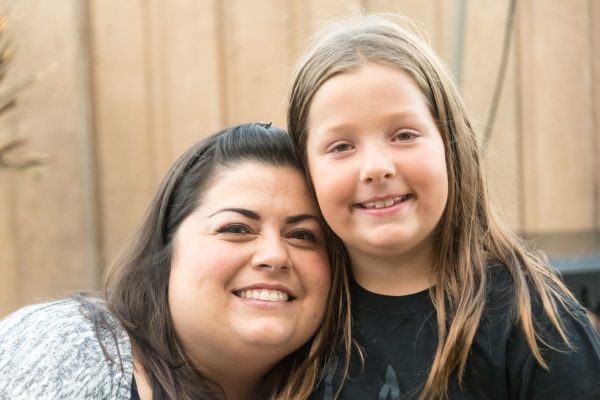
You and your kids can improve your health – together – by limiting screen time, eating healthy foods and staying active.
When to seek help for your overweight child
If you’re worried about your child’s weight, talk to their primary care provider. The provider knows about your child’s medical and family history – and can help you figure out what to do next. “If your child’s weight is not in a healthy range or your child develops weight-related complications like prediabetes or high cholesterol,” Dr. Eschbaugh said, “the provider may recommend that you come to Healthy Active Living for more specialized care.”
Emotional health is important, too. Your child may be bullied because of their weight, which can lead to depression or mental health problems. Have ongoing talks with your child about what’s happening at school, and ask if anyone picks on them. “Your child’s primary care provider can also help with mental health concerns,” Dr. Eschbaugh said. “The provider gives age-appropriate mental health screenings at wellness visits and can recommend resources, if needed. Working together, parents and providers can help kids maintain a healthy weight and feel better.”
Is your child ready to get started with Healthy Active Living? Online appointment scheduling is available, or call us at 330-543-5673.