Depression and anxiety can happen during pregnancy or after birth. Established patients in Akron Children’s MFM or NICU can get support through our maternal mental health program.
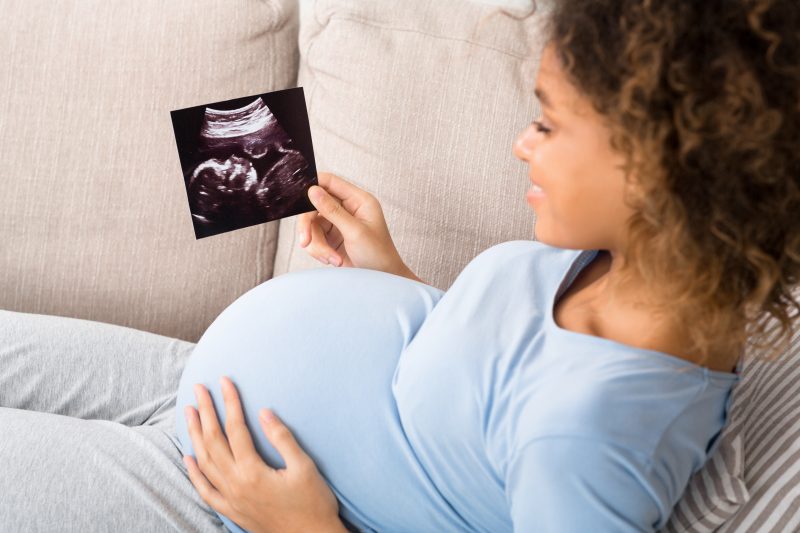
People say a baby changes everything. But as any mom knows, those changes begin long before the baby is born. Not only do their bodies change, but they may have psychological and emotional concerns.
Depression during and after pregnancy
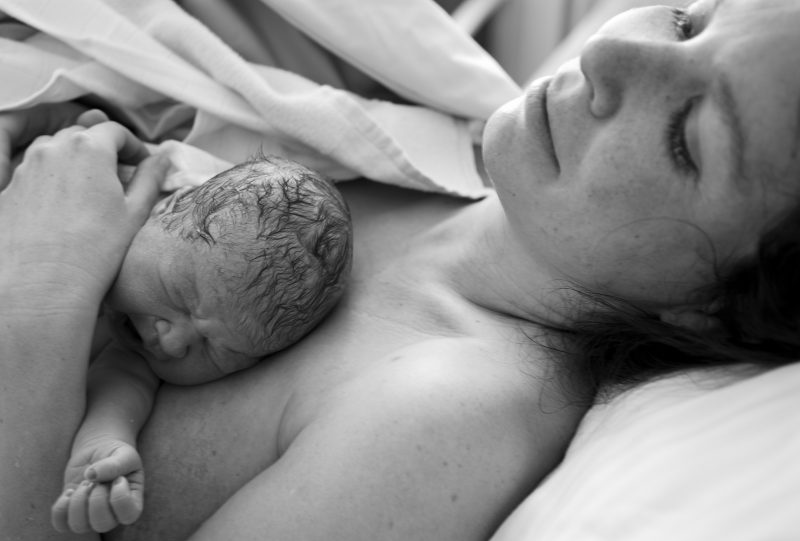
Any woman can develop mental health issues during pregnancy and in the first year after delivery. “The rates of depression happening during or after pregnancy are similar, and both rates have gone up over time,” said Laura Hlavaty, PhD, pediatric psychologist and Maternal-Fetal Medicine and Neonatal Intensive Care Unit liaison. “Some symptoms can be the same, such as feeling disconnected from your baby or worried that you won’t be a good parent.”
Financial concerns are also common. “A new baby adds demands to the family finances, everything from buying diapers to managing child care,” Dr. Hlavaty said. “Some families do not qualify for any parental leave. Or their only option is unpaid leave, which can lead to folks returning to work sooner than they are physically and emotionally ready to.”
Depression during and after pregnancy is common and treatable.
Managing mental health before, during and after pregnancy
If you’ve had mental health problems before, you might be more likely to have them during or after you have a baby. “It’s really important to talk to your doctor,” Dr. Hlavaty said. “Some women stop taking their mental health medicine because they’re worried it might hurt the baby. But stopping suddenly could actually make things worse for the mom and her baby.”
Other things can make moms feel stressed after having a baby: lack of sleep, pain from giving birth and discomfort from breastfeeding or pumping. “It can be tough for new parents to figure out how to care for their baby and themselves,” Dr. Hlavaty shared. “If the parents are in a relationship, it helps to talk ahead of time about who will do what — like who will feed the baby, clean the house or care for pets and other kids.”
The good news is that we now know how important a mom’s mental health is. “Doctors ask questions about mental health during mom’s OB-GYN checkups and baby’s well visits,” Dr. Hlavaty said. “Some parents feel like they’re failing if they need mental health help, but 1 in 5 moms will go through this. It’s more common than people think.”
Akron Children’s offers mental health support for moms
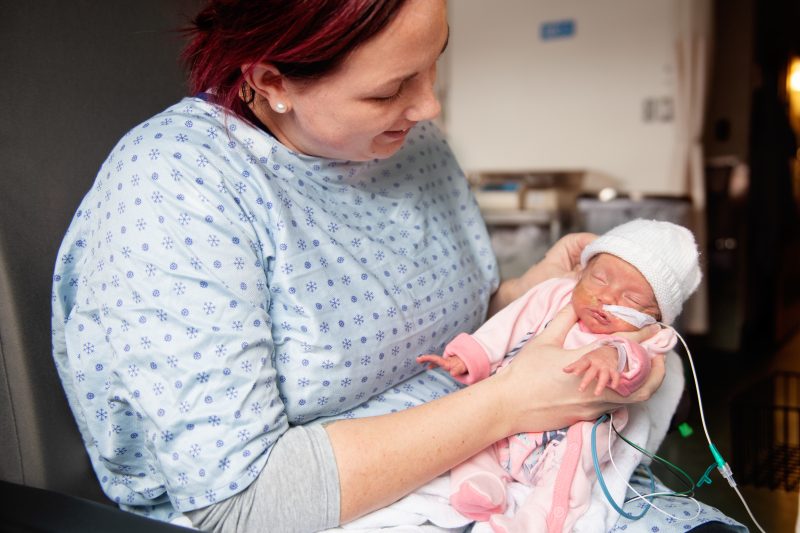
The Akron Children’s Behavioral Health, Maternal-Fetal Medicine (MFM) and NICU teams work together to support moms’ mental health. This special help is for moms who are MFM patients or have babies in the NICU. Dr. Hlavaty has carded for hundreds of moms, providing personal treatment plans to help them feel better before and after their babies are born.
Feelings of postpartum depression are more intense and last longer than those of “baby blues,” a term used to describe the worry, sadness and tiredness many women experience after having a baby.
Baby blues versus a more serious issue
Baby blues usually happen in the first couple of weeks after having a baby. “The big difference between baby blues and more serious mental health problems is that baby blues usually go away in a few hours or days,” Dr. Hlavaty explained. “If you still don’t feel like yourself a month after giving birth, it could be something more than baby blues. Talk to your OB-GYN or primary care doctor. You can also call the Maternal Mental Health Hotline at 1-833-852-6262. If you’re feeling really upset or thinking about hurting yourself, you can call or text 988 anytime. Postpartum Support International also has great resources.”
Helping a new parent
New parents might not know how to ask for help. “If you live in the same house, try to notice what your partner might need,” Dr. Hlavaty said. “For example, one parent can wash bottles or get more diapers while the other feeds the baby. If one parent is breastfeeding, the other can give comfort by bringing them water or a pillow.”
Dr. Hlavaty said family and friends can also help by giving the parents time to rest. “Ask if they need anything like groceries or baby items – or drop off some cooked meals,” she suggested. ”Having a baby changes a lot of things. But with support from family, friends and the mom’s medical team, it can be a really special and happy time.”
Are you an expecting or new mom in need of mental health help? Established patients can ask their MFM or NICU providers for information. Others can call Akron Children’s Behavioral Health at 330-543-5015.
Inside Children’s is an online community that provides inspirational patient and staff stories as well as information about health and parenting, hospital news, fundraising events and more.