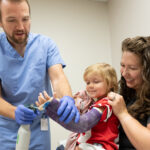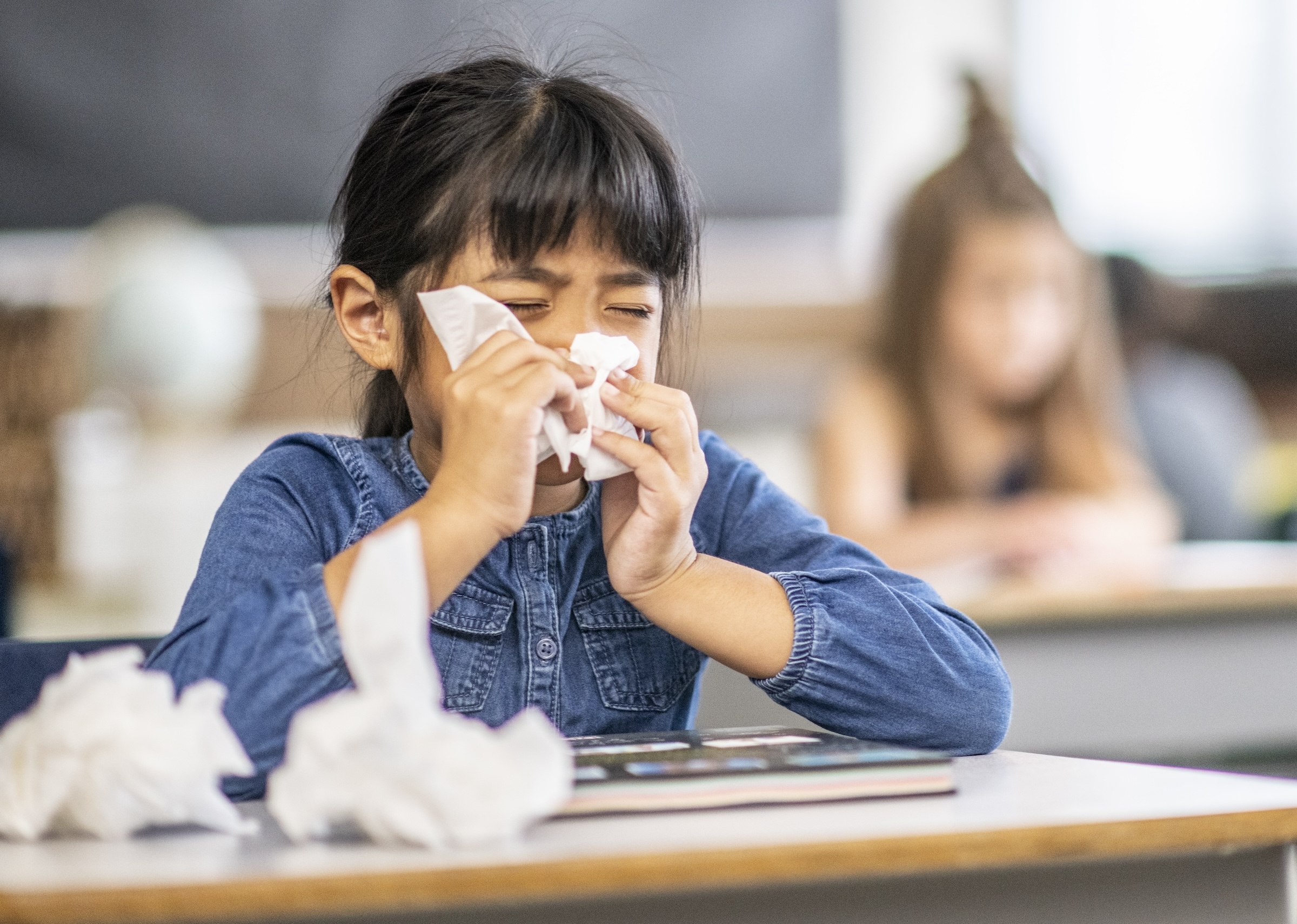
New environments at school and new germs can result in increased risk of your child getting sick.
As the new school year starts, your child may keep coming home with a runny nose, cough or the newest virus that’s been circulating. This can be especially stressful if your child has just started preschool or day care.
You may be left wondering: Is it normal for my child to get sick so often? And the answer is yes.
Exposure to new germs
“Young children, especially those who are starting school or daycare, are exposed to new environments and new germs. This exposure increases their chances of getting sick,” said Dr. Dipti Sekhsaria, pediatrician at Akron Children’s Pediatrics in Wadsworth. “These kids also are spending a lot of time indoors in close quarters, allowing germs and viruses to spread more easily.”
Illnesses can pass from one child to another to another in a classroom, and this chain reaction can happen at any age. Young kids with normal immune function can have a whopping 12 viral infections a year with each viral infection lasting up to two weeks. Do the math, and that means kids could be sick almost half the year!
“For younger kids, especially those in daycare settings, their immune systems are still developing. They tend to explore their world with their hands and mouth, which increases the chances of catching an illness,” Dr. Sekhsaria explained. “They might not always remember to cover their mouth when they cough and sneeze, which spreads even more germs.”
Tips to help your child reduce their risk of illness
Viruses like colds and flu may be common, but that doesn’t mean they’re not frustrating for you and your child. The best way to prevent getting a virus or other illness is not to be near someone else who is sick. That’s especially hard if your child attends school or daycare.
Since that’s not realistic, Dr. Sekhsaria offers tips to help slow the spread of viruses.
Hand-washing
Properly washing your and your child’s hands after using the bathroom and before eating is important to help protect against certain viruses like the stomach flu that spread via touch.
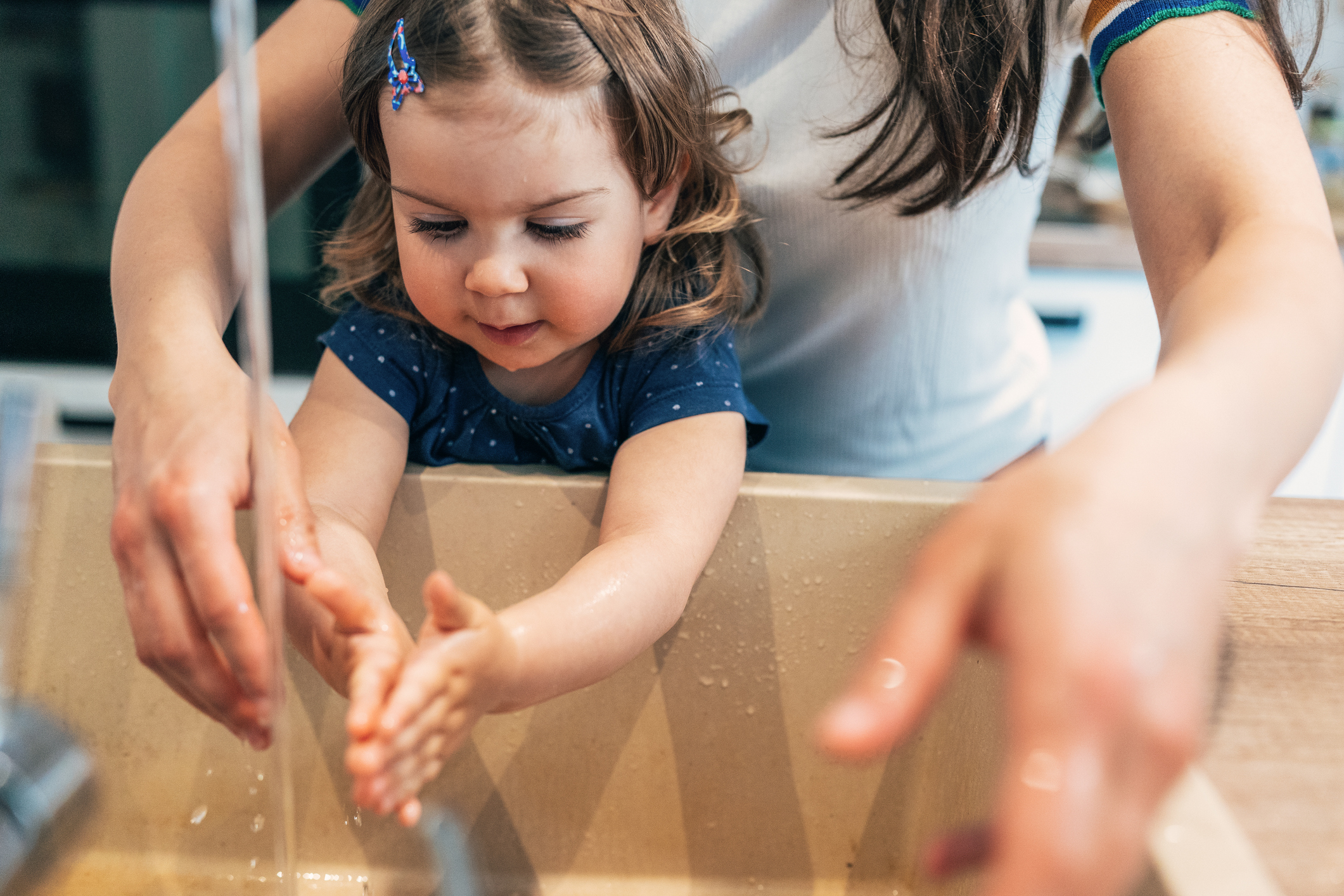
Properly washing your hands after going to the bathroom and before eating is important to protect against certain illnesses.
Cover their cough
For viruses that spread through the air, like colds or flus, it can be very difficult to slow the spread. In addition to frequent hand-washing, teach children to cover their coughs and sneezes with their elbows. Throw used tissues in the garbage.
Choose healthy food
Eating a balanced diet rich in fruits and vegetables, regular physical activity and good sleep habits are important to keep the immune system strong.
Get vaccinated
Vaccines like the flu shot also are helpful in boosting the immune system. They train your child’s immune system to recognize harmful germs without experiencing the actual illness.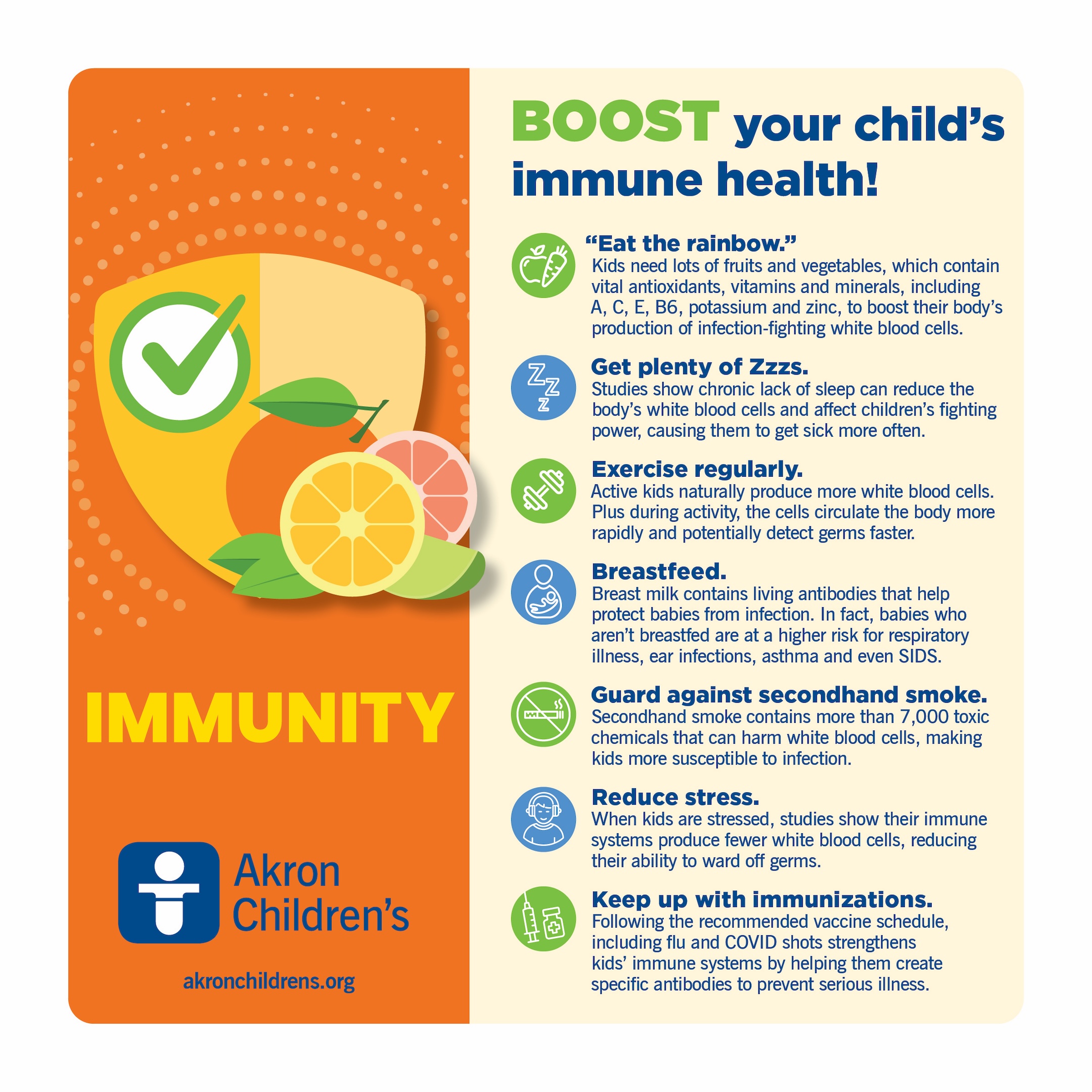 Unfortunately, things like vitamins or zinc don’t really do much to protect your child from getting sick.
“There is no set recommendation for any particular supplements to keep an otherwise healthy child healthy,” Dr. Sekhsaria shared. “If a child is a very picky eater, skips meals consistently or doesn’t get the recommended five servings of fruits and veggies a day, then a multivitamin supplement might be helpful. Vitamin C helps fight infections, and the good news is that kids usually get enough of it with a balanced diet.”
Building immune systems during childhood
While colds and viral infections are inconvenient and uncomfortable for you and your child, they aren’t a danger to your child’s health. In fact, part of childhood is being exposed to illnesses and developing the immune response to provide protection as we age.
“Our immune systems are uniquely designed to identify and respond to new infections and exposures. When kids are constantly exposed to new germs, they build antibodies that help in fighting common viral and bacterial infections,” Dr. Sekhsaria said. “It’s reassuring news because you really can’t stop these viruses from flowing.”
If your child is sick and needs medical care, many Akron Children’s Pediatrics offices have same-day and walk-in care. Urgent Care and Quick Care are also available.