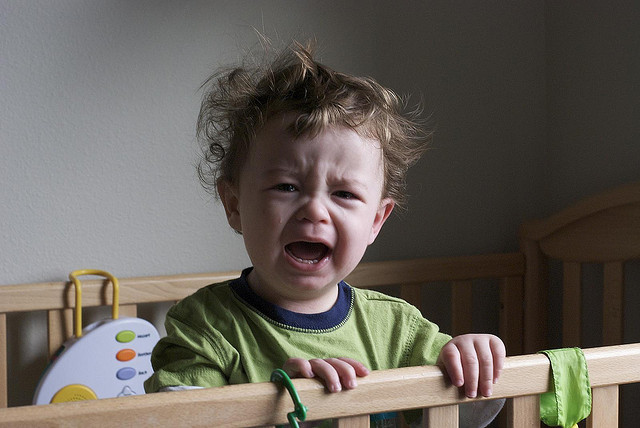
Help your family ease into Daylight Saving Time on Sunday by making bedtimes later by 15- to 20-minute increments starting a few days before the change.
A new sleep schedule can be a nuisance that lasts for several days for parents of young children, according to Dr. Terri Linnon, who’s a pediatrician at Akron Children’s Pediatrics in Warren.
Whether changing the clock forward in the spring or back in the fall, the internal clock in babies, toddlers and small children doesn’t reset as easily as it does for older children and adults.
As many families know, the quality and quantity of children’s sleep affect the well-being of everyone in the household.

Therese “Terri” M. Linnon, DO, FAAP, pediatrician
“It’s important to give your kids a few days to adjust to the new sleep schedule,” she said. “Ideally, do it over the weekend or, if your work and school schedules allow, after the time change works too.”
Bedtime routines are also helpful to keep families and children calm, secure and at ease with life’s variables. Dr. Linnon offers these tips:
- Establish a bedtime that allows your child to get the appropriate amount of sleep for their age and needs, alerting them at 30 minutes and again at 10 minutes beforehand that bedtime is approaching.
- Prepare the body to settle down by reading, taking a bath or shower, having a light snack or listening to soothing music.
- Avoid caffeine after dinner, including chocolate and chocolate milk.
- Prohibit activities too close to bedtime that could excite or upset kids, such as watching TV or playing video and computer games.
- Create a soothing bedroom environment by drowning out distracting sounds with a fan or white noise machine.
- Make sure the room is dark, especially if it’s still light outside.
Kids who are not well rested will have obvious signs of sleepiness, as well as:
- Have trouble focusing or paying attention
- Be overexcited or jumpy
- Be irritable or fussy
- Have difficulty controlling impulses or emotions
Kids need much more sleep than the typical 8 hours recommended for adults. School-age kids require 12-13 hours each night, while those in middle school need about 10-11 hours. Teens, especially younger teens, should get 9 hours.
Similar stories:
Accidental ingestion of baby oil begins a scary medical odyssey for toddler
Build Healthy Bones to Reduce Stress Fracture Risk
Irish dancer overcomes injuries and achieves success at world championships
Hospital teams pull together for Ezra after a serious accident
Nurturing Families Program helps people make healthy parenting choices
If you think your child or teen might be suffering from a severe sleep disruption, make an appointment online.